Taiwan's Satellite Evolution
Taiwan Shifts From Satellite Components to Integrated Systems in New Report
Anonymous
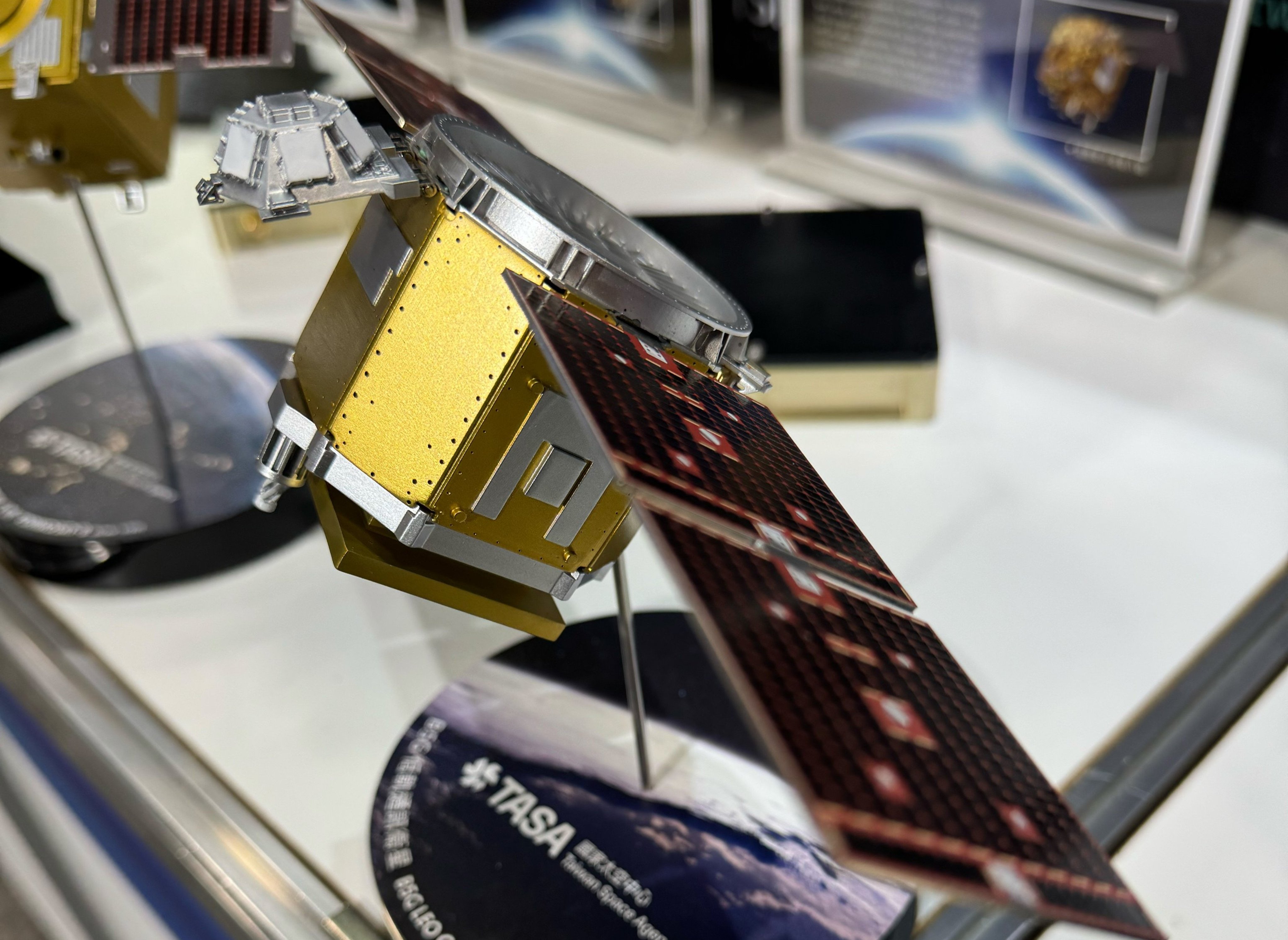
Taiwan is moving up the satellite industry ladder. According to The Icons, the country is shifting from making individual satellite parts to building complete ground equipment and communications systems. This transition lets Taiwan capture more profit and participate in the booming commercial satellite market.
The change opens doors to higher-value work. Taiwan's manufacturers and research centers are now targeting maritime communications, logistics, energy operations, and internet for remote areas. The Icons says this move positions Taiwan to compete in segments worth far more than basic component supply.
Taiwan Climbs the Satellite Supply Chain
For decades, Taiwan excelled at making individual satellite components for global companies. Now local firms are assembling integrated systems instead. The Icons reports that manufacturers are building ground equipment — the hardware that receives and processes satellite signals — rather than just selling parts to others.
This shift matters because integrated systems command higher prices. A finished ground station is worth more than the components that go into it. Taiwan's move means the country captures more profit per product sold.
ITRI Drives Taiwan's Satellite Technology Push
Taiwan's Industrial Technology Research Institute (ITRI) is a key player in this transformation. The Icons highlights ITRI's role in helping local companies develop advanced satellite technologies. The institute bridges the gap between academic research and commercial products that companies can actually sell.
ITRI works with manufacturers to expand capabilities faster than they could alone. This support helps smaller Taiwanese firms compete with larger international competitors in satellite ground systems and communications gear.
Commercial Satellite Markets Accelerate Growth
The satellite industry is exploding beyond military and government use. The Icons points to maritime communications, supply chain tracking, power grid monitoring, and environmental data collection as fast-growing markets. These commercial applications need reliable ground equipment and skilled support.
Taiwan is positioning itself as a go-to supplier for these sectors. Shipping companies, logistics firms, and energy operators increasingly need satellite connectivity. The Icons notes that Taiwan's transition to systems integration makes it a natural choice for customers seeking complete solutions.
Remote Connectivity Creates New Revenue Streams
One of the fastest-growing applications is bringing internet to remote and rural areas. The Icons highlights this segment as a major opportunity. Satellite networks can reach places where fiber optic cables never will reach.
Taiwan's integrated systems are ideal for this work. Ground stations in remote regions need reliable equipment that local teams can maintain. By building complete systems rather than selling loose parts, Taiwan captures the installation, training, and ongoing support revenue too.
Sentiment
NeutralNEGATIVENEUTRALPOSITIVE
Publishers
5
Articles
5
Reach
5
Topics
A
AnonymousAuthor


