Nepal Flood Burials
Nepal District Buries Unidentified Flood Bodies Amid Morgue Capacity Shortages
Anonymous
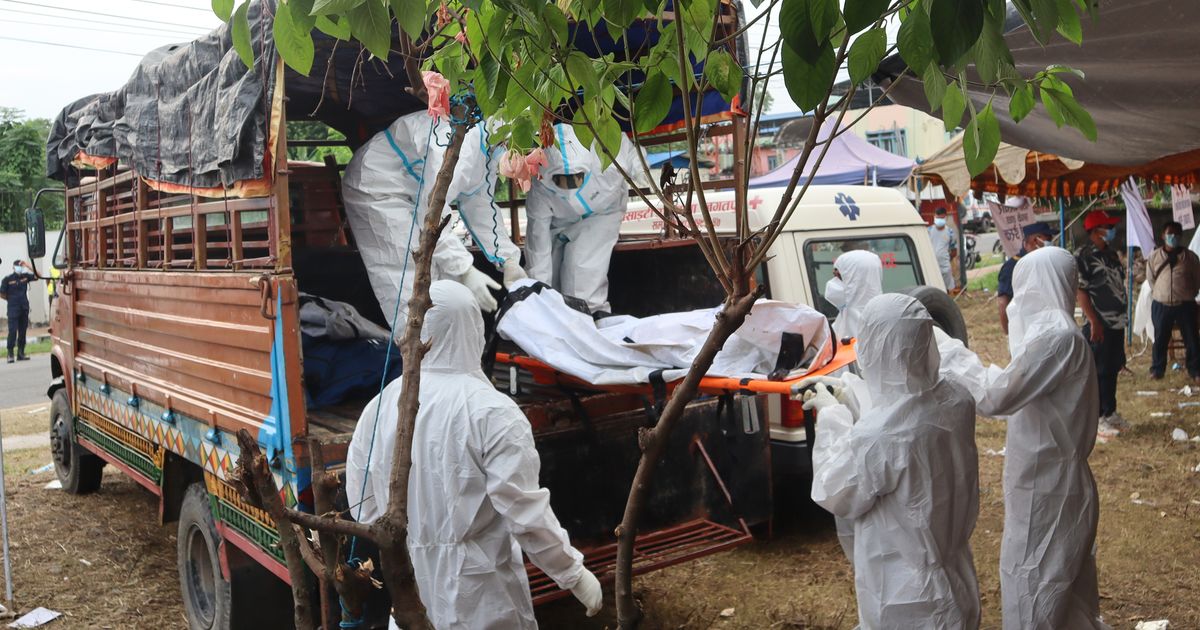
Chitwan district in Nepal is burying bodies in temporary graves before they can be identified, following devastating flash floods that swept bodies hundreds of kilometers downstream. WRAL reports that authorities have begun this emergency measure in response to decomposing remains and overwhelmed morgue capacity. The action has drawn sharp criticism from those who say Hindu funeral traditions are being ignored.
The Bhotekoshi River carried bodies downstream for four days before recovery began. Winnipeg Free Press notes that many remains had already started decomposing by the time authorities pulled them from the water. Local forensic infrastructure and morgue space could not handle the scale of the disaster.
Flash Floods Overwhelm Himalayan District
The Himalayan region experienced devastating flash floods that swept massive numbers of people into the Bhotekoshi River. WSBTV reports that the flooding forced authorities in Chitwan to take extreme measures. Bodies traveled hundreds of kilometers downstream before being recovered.
Recovery efforts began only after bodies had spent four days submerged. Goshen News explains that the scale was so large that normal funeral and burial procedures became impossible. The sheer number of remains exceeded what the district could handle through standard identification and burial processes.
Religious Traditions Clash With Health Emergencies
Hindu funeral customs require cremation, not burial. Voice of Alexandria reports that temporary graves before identification violate these sacred traditions. Critics argue authorities should find other solutions that respect religious beliefs.
Authorities cite health and capacity concerns as reasons for the emergency burials. Local 10 notes that decomposing bodies pose disease risks and morgues lack space. Officials defend the decision as necessary given impossible conditions.
Morgues Lack Capacity for Disaster Scale
Chitwan district has inadequate forensic infrastructure to handle mass casualties. Journal-News reports that morgue space quickly filled beyond limits. The district simply was not built to process hundreds of bodies simultaneously.
Bodies must remain somewhere while awaiting identification. Las Vegas Sun explains that temporary graves became the only option when storage ran out. Authorities face an impossible choice between health risks and religious respect.
Communities Grapple With Identification Delays
Many families still cannot find their loved ones among the recovered bodies. Greenwich Time reports that decomposition makes identification extremely difficult. DNA testing and other forensic methods take time Nepal may not have.
Temporary burials before identification add pain to grieving families. Dayton Daily News notes that relatives want to perform proper Hindu cremations for their dead. The conflict between emergency management and cultural respect remains unresolved.
Sentiment
NeutralNEGATIVENEUTRALPOSITIVE
Publishers
24
Articles
24
Reach
24
A
AnonymousAuthor


