Widespread Restaurant Closures
Rising Operating Costs and Inflation Drive Restaurant Closures Across U.S. Markets
Anonymous
Key Points
1
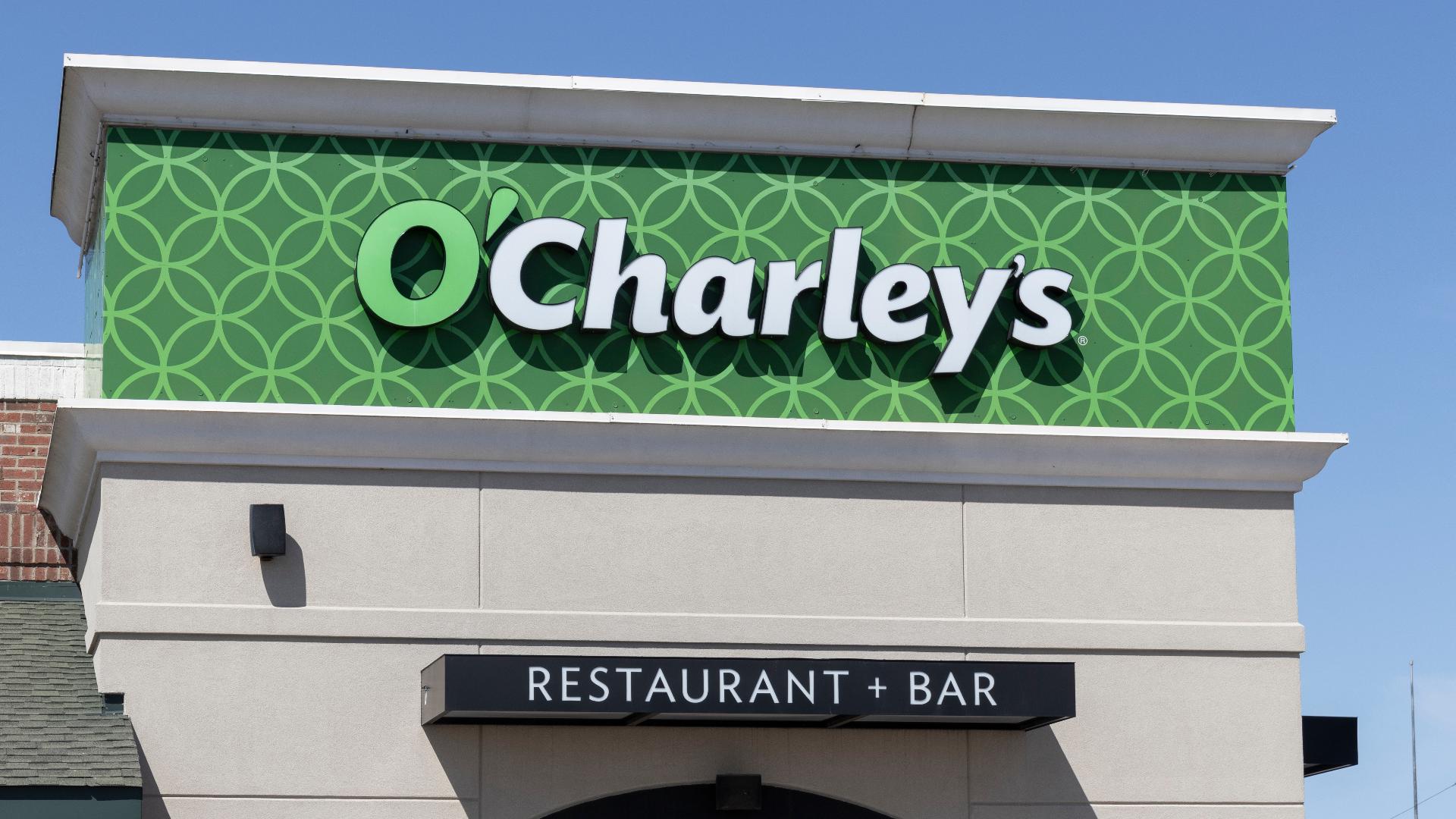
O’Charley’s was founded in 1971 by Charlie Watkins in Nashville and still operated 52 locations across several states before the latest closures. Its Facebook and Instagram pages also appeared to have been deactivated.
2
Barbecue Inn owner Wayne Skrehot, who was 86 when the Houston institution closed, said he was retiring after decades in the family business and described the post-pandemic cost environment as unsustainable: “Since COVID, nothing's been the same, and we're just more or less the last couple of years working for nothing really.”
3
Houston’s Kahani Social Group said it hoped to bring back two Midtown fast-casual concepts that had closed, while noting that one of the concepts remained available for delivery in The Woodlands.
4
NiMo, the Tequesta restaurant led by four-time James Beard nominee Niven Patel, had opened only in February 2024 before closing in 2026; Patel also operates the Michelin Bib Gourmand-winning Ghee Indian Kitchen, with locations in Miami and Atlanta.
Restaurant closures are accelerating across major U.S. markets, claiming both storied institutions and newer chef-led concepts. WLKY reported that O'Charley's, a Nashville-based chain founded in 1971, shut its last two Louisville locations without public explanation after closing 51 sites in 2023. From Houston to Orlando to Palm Beach County, operators are citing inflation, soaring rent, labor costs, and weak foot traffic as unsustainable pressures—even for restaurants with decades of loyal customers or prestigious culinary reputations.
The wave spans established chains, family-owned institutions, and newly opened restaurants. Houston lost the 80-year-old Barbecue Inn, while Palm Beach saw NiMo—a concept by four-time James Beard nominee Niven Patel—close after just two years of operation. Operators describe a structural shift: post-pandemic demand patterns combined with cost pressures are reshaping which restaurants survive, regardless of food quality or longevity.
O'Charley's Ends 55-Year Run With No Warning
Bowling Green Daily News confirmed that O'Charley's, the Nashville casual-dining chain, closed all remaining locations nationwide, including eight in Kentucky. Founded in 1971 by Charlie Watkins, the chain operated 52 locations across multiple states before the latest closures. Williams Source reported the chain has not issued a public statement. Social media accounts—Facebook and Instagram—were also deactivated, leaving customers and employees without explanation.
Houston Loses Three Generations of Barbecue and Dining
Houston saw the closure of Barbecue Inn (80 years old), Shiva (37 years), and Picos (42 years). Wayne Skrehot, age 86, owned Barbecue Inn and retired after decades in the family business. He told reporters: "Since COVID, nothing's been the same, and we're just more or less the last couple of years working for nothing really." Rising rents, labor shortages, and ingredient costs had drained profitability despite steady customer loyalty.
Houston's Kahani Social Group attempted to salvage two Midtown fast-casual concepts by shifting to delivery-only service in The Woodlands neighborhood. The strategy reveals how some operators are experimenting with reduced overhead and delivery models rather than fighting high brick-and-mortar costs.
Award-Winning Restaurants Closing After Just Two Years
NiMo, the Tequesta restaurant led by Niven Patel, a four-time James Beard nominee, opened in February 2024 but closed in 2026. Patel also runs Ghee Indian Kitchen, a Michelin Bib Gourmand-winner with locations in Miami and Atlanta. High-profile chefs and acclaimed concepts are no shield against closures driven by rent and weak demand. Palm Beach County also lost Hooked on Jupiter, Grande's, Sofra, and Tropical BBQ in 2026, with owners citing rising rents and difficult summer economics.
Closures Span Multiple Cities, Signaling Systemic Pressure
Orlando lost 15 restaurants and bars over the summer. Athens recorded at least seven confirmed restaurant and brewery closures in 2026. Operators across all markets cited identical pressures: post-pandemic traffic changes, inflation, elevated labor costs, and unsustainable rent. The pattern spans national chains, family-owned businesses, and new chef-led venues—a breadth that suggests the restaurant sector is undergoing structural realignment rather than isolated failures.
Sentiment
Mostly NegativeNEGATIVENEUTRALPOSITIVE
Publishers
23
Articles
114
Reach
137
Topics
A
AnonymousAuthor