Sorkin Screens ‘Social Reckoning’ in Silicon Valley
Sorkin Screens ‘Social Reckoning’ in Silicon Valley
Anonymous
Key Points
1
The original The Social Network earned eight Oscar nominations and won three awards, including the Oscar for Aaron Sorkin’s screenplay; David Fincher directed it and Jesse Eisenberg played Mark Zuckerberg.
2
The Silicon Valley screening drew a small audience that included current and former Facebook employees, and took place at the soon-to-close Cinemark Century Mountain View 16, less than 10 miles from Meta’s Menlo Park headquarters.
3
The film is rated R by the Motion Picture Association for language.
4
Sorkin said one catalyst for revisiting Facebook was the company’s decision ahead of the 2020 election to stop fact-checking political ads, which Facebook defended using an excerpt from Sorkin’s 1995 film The American President.
5
The film’s depiction of Facebook’s policies centers on the company’s “Meaningful Social Interactions” algorithms, which the Wall Street Journal investigation linked to user addiction, political division and radicalization, including effects connected to the Jan. 6, 2021, Capitol attack.
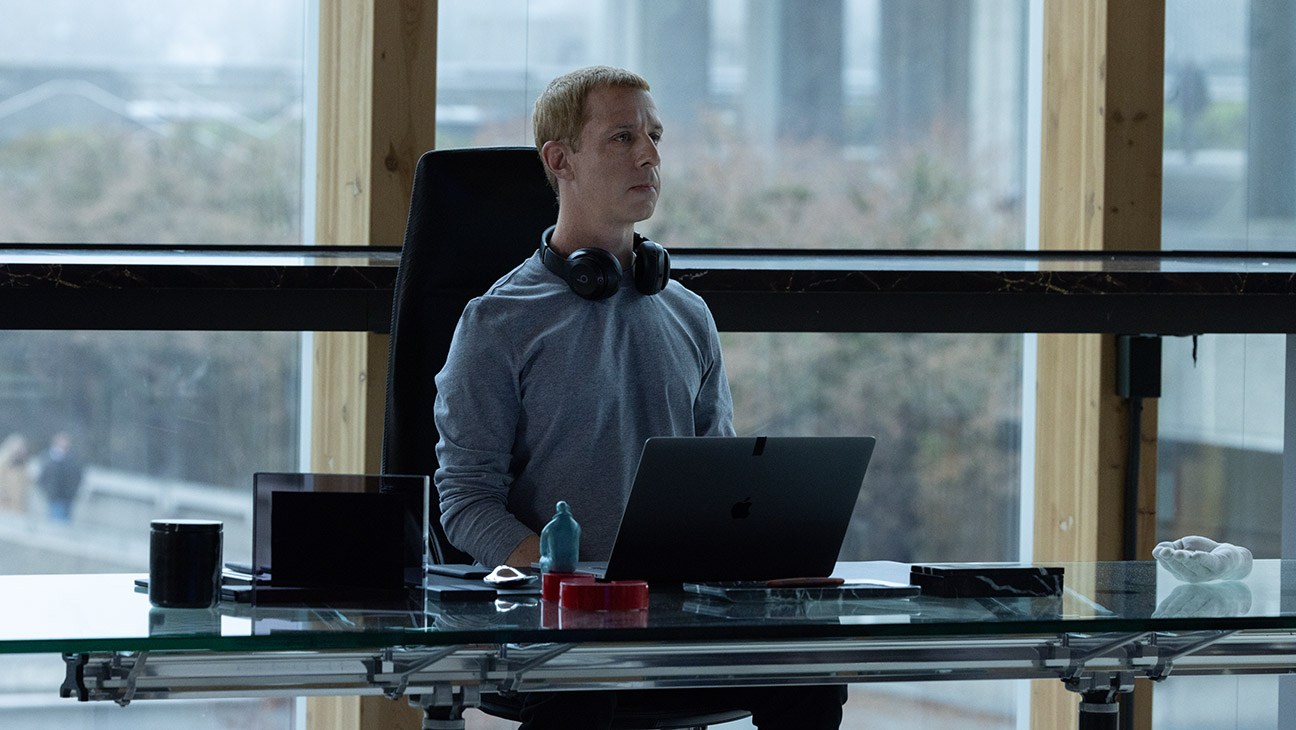
Aaron Sorkin screened his new film The Social Reckoning in Silicon Valley this week, bringing his Facebook saga back to where it started. The Hollywood Reporter reports the screening happened at a Cinemark theater in Mountain View, less than 10 miles from Meta's headquarters — the same venue where Mark Zuckerberg showed the original The Social Network in 2010. This time, Jeremy Strong plays an older Zuckerberg, while Mikey Madison portrays whistleblower Frances Haugen in a drama inspired by the Wall Street Journal's 2021 investigation into Facebook's inner workings.
The film arrives Oct. 9, 2026, as Sorkin's companion piece to his Oscar-winning original rather than a direct sequel. The Independent notes that Strong employed method acting during production, treating co-stars the way he imagined Zuckerberg would. The story centers on Haugen's work with reporter Jeff Horwitz (played by Jeremy Allen White) to expose how Facebook's algorithms knowingly caused addiction, political division, and radicalization — effects linked to the Capitol riot on January 6, 2021.
Why Sorkin Returned to Facebook's Story
Sorkin said one key moment sparked the sequel: Facebook's decision before the 2020 election to stop fact-checking political ads. The company even used a quote from Sorkin's 1995 film The American President to defend the choice. That irony — his own words used to justify something he found troubling — convinced him the story demanded a second telling.
Jeremy Strong's Immersive Approach to Playing Zuckerberg
Strong, known for his method-acting intensity, brought that same commitment to The Social Reckoning. The Hollywood Reporter reports that the actor treated his co-stars on set "the way he imagines" Zuckerberg treats people. This immersive approach mirrors Strong's past roles, where he inhabits characters fully rather than simply performing them.
From Frances Haugen's Leak to the Screen
The film's backbone is Frances Haugen's 2021 revelations about Facebook's "Meaningful Social Interactions" algorithm. This system prioritized engagement over safety, inadvertently amplifying divisive and extreme content. Mikey Madison portrays Haugen, while Jeremy Allen White plays Wall Street Journal reporter Jeff Horwitz, who broke the story. Together, they expose what internal documents showed: Facebook knew its platforms caused real harm but pursued profit over solutions.
What Comes After The Social Reckoning
Sorkin said he remains fascinated by Zuckerberg but has no plans for a third film about him or Meta. The original The Social Network earned eight Oscar nominations and won three, including Best Adapted Screenplay for Sorkin. David Fincher directed, with Jesse Eisenberg as young Zuckerberg. The R-rated Social Reckoning gets an exclusive theatrical release October 9, 2026, marking the end of Sorkin's Facebook trilogy.
Sentiment
Mostly NegativeNEGATIVENEUTRALPOSITIVE
Publishers
14
Articles
15
Reach
29
A
AnonymousAuthor


