Pelican Missile Strike
Ukraine Deploys New Pelican Missile in Strategic Strike on Moscow Region Facilities
Anonymous
Key Points
1
The Kapotnya refinery has an annual processing capacity of about 12 million tons of oil and produces gasoline, diesel, aviation fuel, fuel oil and other petroleum products; Ukraine’s General Staff said the facility also helps meet the Russian military’s needs.
2
President Volodymyr Zelensky urged Moscow to stop building layered air-defense rings at the expense of other Russian regions and instead end the war and choose peace.
3
Zelensky said that possible steps toward de-escalation remained available in the areas of energy and food security, but argued that political will was needed to pursue them.
4
Military analyst Vasyl Pekhno said the Pelican’s approximately 350-kilometer range made it unlikely to have reached Moscow, but suggested it may have struck S-400 deployment sites while other weapons overloaded Russian air defenses and enabled Flamingo missiles to hit their targets.
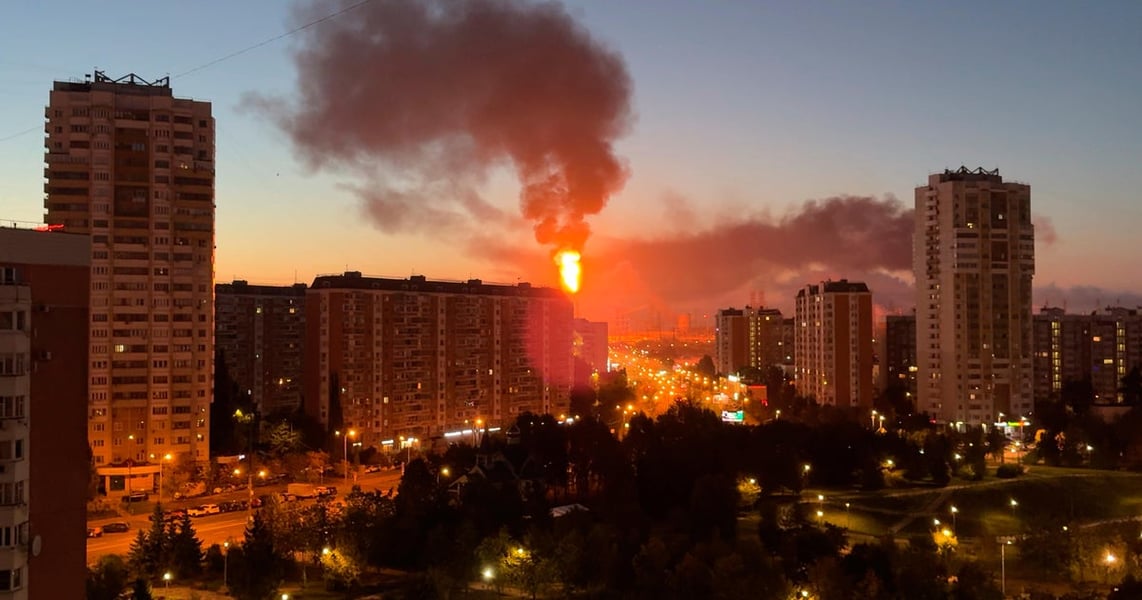
Ukraine deployed its newly identified Pelican (FP-7) ballistic missile for the first time on September 20, striking oil and logistics facilities in the Moscow region and Voronezh Albeu. President Volodymyr Zelensky confirmed the operation caused major fires and damage at the Kapotnya oil refinery, which processes about 12 million tons of oil annually and supplies the Russian military Albeu. The attack combined the new Pelican missile with drones and other weapons launched by Ukraine's SBU, special operations forces, and intelligence agencies Albeu.
Military analysts question whether the Pelican actually reached Moscow directly, given its estimated 350-kilometer range LBC. Instead, the missile likely targeted Russian air-defense systems while other weapons overwhelmed defenses and hit the refinery, according to Ukrainian military analyst Vasyl Pekhno LBC. Zelensky used the strike to pressure Russia toward peace negotiations, urging Moscow to end the war rather than build expensive air-defense rings LBC.
Ukraine's New Long-Range Weapon System
The Pelican is a homemade Ukrainian ballistic missile also known as the FP-7. Eastern Herald reports it marks a significant step forward in Ukraine's domestic weapons development. The missile's 350-kilometer range allows strikes deep into Russian territory but falls short of reaching Moscow directly from Ukrainian-held areas LBC. Ukrainian engineers have steadily expanded the country's ability to conduct long-range strikes without Western supplied systems.
Critical Damage to Russian Oil Supply Lines
The Kapotnya refinery is one of Moscow's largest oil processing facilities. Ukraine's General Staff said it produces gasoline, diesel, aviation fuel, and fuel oil that directly supply Russian military operations Albeu. The September 20 strike caused fires in multiple processing units, disrupting production. The refinery's 12-million-ton annual capacity makes it essential to Russia's energy security and war effort.
Zelensky framed the attack as a response to Russian military spending priorities. He said Russia should stop building layered air-defense systems and instead choose peace talks LBC. The Ukrainian president also suggested that de-escalation opportunities existed in energy and food security negotiations, but only if Moscow showed political will to pursue them LBC.
How the Pelican Fits Into Broader Strike Strategy
The Pelican likely served a supporting role rather than delivering the main blow. Analyst Vasyl Pekhno explained that the missile's range made it suited for hitting air-defense positions like S-400 deployment sites LBC. Once those defenses were degraded, other Ukrainian drones and missiles could reach higher-value targets like the refinery. This layered approach allows Ukraine to maximize damage with limited resources.
Eastern Herald reports Ukraine fired over 1,000 drones into Moscow, marking the largest drone assault on the capital since the war began. The scale of the operation overwhelmed Russian air defenses enough to allow the Pelican and other weapons to strike their targets. This represents Ukraine's expanding capability to conduct sustained, multi-weapon attacks on Russian energy and military infrastructure.
Sentiment
Mostly NegativeNEGATIVENEUTRALPOSITIVE
Publishers
19
Articles
6
Reach
25
A
AnonymousAuthor


