Seafood Tariff Reversal
Canada drops U.S. seafood from retaliatory tariffs following industry feedback.
Anonymous
Key Points
1
Canada’s Finance Department announced on X that, based on industry feedback, it removed seafood and fish products from the retaliatory tariff list to protect the broader economy, while keeping retaliatory duties on about $20 billion of U.S. imports in place.
2
The original counter-tariff list covered more than 700 U.S. products with duties ranging from 15% to 50%, and the government had planned implementation on Sept. 8 for the remaining measures, signaling a broad, ongoing trade-pressure strategy despite the seafood reversal.
3
Analysts and lawmakers have framed the move as part of a broader political calculus, including pressure on Republican lawmakers in Maine ahead of the November elections, with Industry Minister Melanie Joly signaling that targeting U.S. policymakers was a factor in crafting the list.
4
Industry groups for Atlantic Canada, including the Nova Scotia Seafood Alliance—which represents over 200 firms—were outspoken critics of penalizing U.S. seafood, highlighting the potential political and economic pushback from the region.
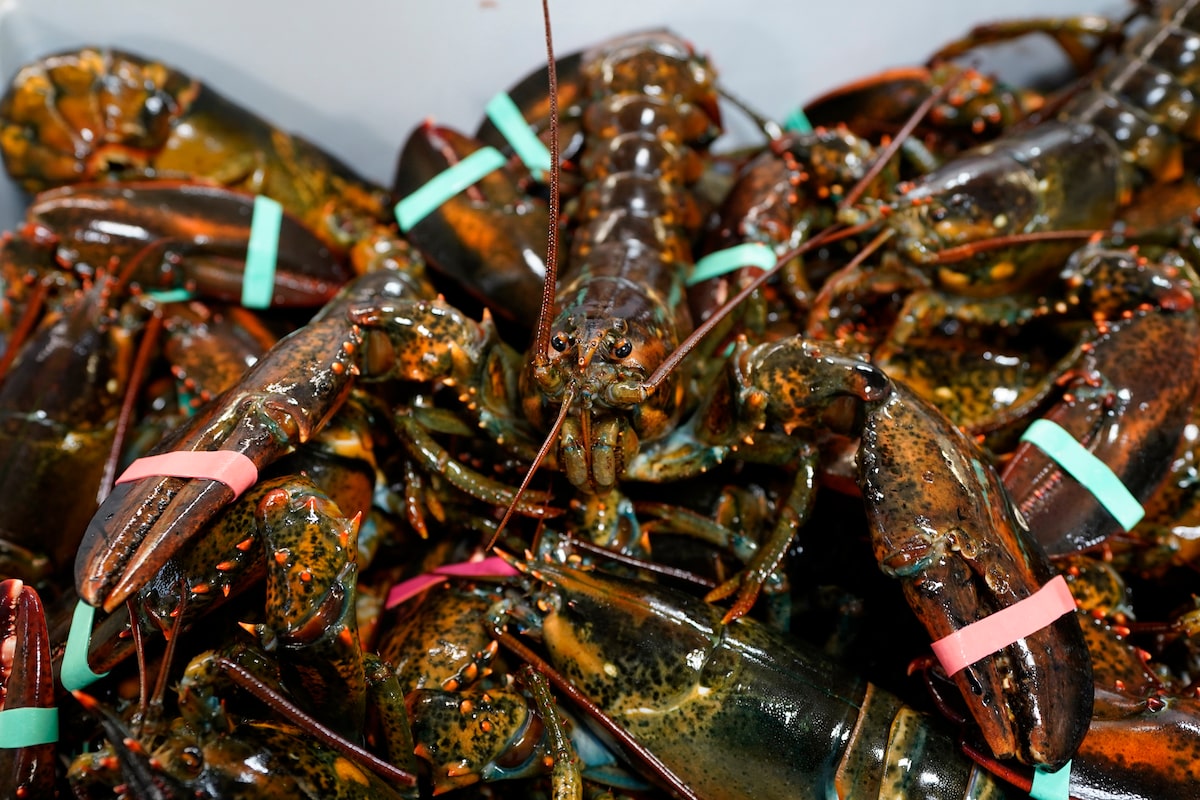
Canada's Finance Department removed fish and seafood from its retaliatory tariff list after pushback from industry groups, according to CHCH. The move protects Canada's east-coast fisheries while keeping duties on roughly $20 billion in other U.S. goods in place, with implementation set for September 8, Economic Times reported.
The reversal came just one day after Canada announced the broader tariff plan, which targets over 700 U.S. products with duties ranging from 15% to 50%. The Globe and Mail reported that the adjustment reflects concerns that penalizing Canadian seafood could trigger U.S. retaliation and backfire politically in Atlantic Canada.
Atlantic Industry Groups Block the Seafood Tariffs
The Nova Scotia Seafood Alliance, representing over 200 firms, opposed the tariffs on U.S. seafood imports. Industry leaders warned that retaliating against American fish products would harm Canadian exporters and invite further U.S. retaliation, Fish Farmer Magazine noted.
East-coast aquaculture companies feared the tariffs would close off U.S. markets for Canadian products. Removing seafood from the list protects these firms from economic damage while Canada pursues tariffs on other sectors.
Canada's Broader Trade Strategy Remains in Place
Canada's counter-tariff plan still covers approximately $20 billion in U.S. imports across multiple sectors. The government plans to impose duties of 15% to 50% on over 700 American products starting September 8, Economic Times reported. The seafood carve-out is narrow and does not alter the overall retaliation timeline.
Officials framed the adjustment as protecting the broader Canadian economy from unnecessary harm. The decision shows how Canada is fine-tuning its tariff strategy based on real-world feedback, while maintaining pressure on U.S. policymakers across other sectors.
Political Calculus Behind the Tariff List
CHCH reported that analysts flagged the political dimensions of Canada's tariff selections. The government appears to be targeting Republican lawmakers in Maine and other regions ahead of November U.S. elections, using tariffs as leverage to influence American trade policy.
Industry Minister Melanie Joly and other officials acknowledged that the tariff list was designed to pressure specific U.S. decision-makers. Removing seafood reflects both economic reality and the political risk of harming Atlantic Canada voters before elections matter.
Sentiment
Mostly NegativeNEGATIVENEUTRALPOSITIVE
Publishers
36
Articles
187
Reach
223
A
AnonymousAuthor


