Evidence Sealing Request
Judge Considers Permanent Sealing of Evidence in Josh Jacobs Domestic Case
Anonymous
Key Points
1
The victim’s motion invokes Wisconsin’s Marsy’s Law, arguing that crime victims have constitutional rights equal to those of defendants and that those rights outweigh the public interest in releasing identifying or sensitive victim-related information.
2
The victim’s attorneys said the filing was intended to protect her privacy after Jacobs took responsibility in the criminal case: “The motion is consistent with our client’s desire to protect her privacy, particularly in light of Mr. Jacobs taking responsibility for his actions in the criminal proceeding.”
3
The NFL has reportedly sought not only the surveillance video but also an interview with Jacobs and has pursued legal avenues to obtain the footage as part of its separate investigation under the league’s Personal Conduct Policy.
4
Under the NFL’s conduct policy, the baseline punishment for a first-time domestic-violence offense is a six-game suspension without pay, although the league can increase the penalty based on aggravating factors.
5
Jacobs’ initial temporary sealing of the case record was requested by his own attorney, Clarence Duchac III, on Sept. 10, before the former girlfriend filed her separate motion seeking a permanent seal five days later.
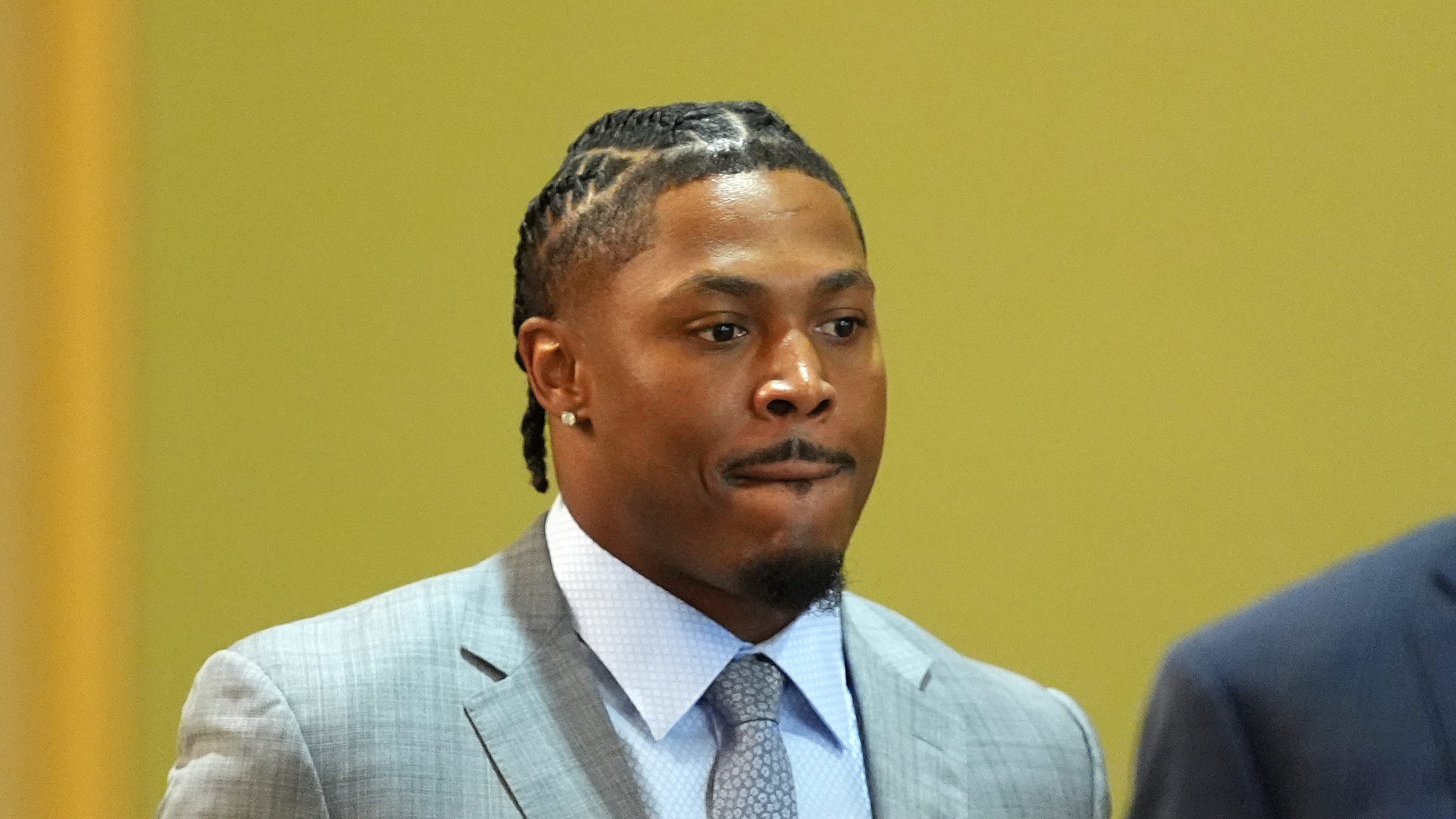
Green Bay Packers running back Josh Jacobs faces a legal crossroads as his ex-girlfriend's attorneys push to permanently seal evidence from his domestic violence case. FDL Reporter reports that a Brown County judge has ordered the victim's legal team to refile their sealing request after the initial motion didn't meet court formatting standards. The case hinges on Wisconsin's Marsy's Law, which grants crime victims constitutional privacy rights that could override public access to court records.
Jacobs pleaded no contest on September 10 to misdemeanor battery and criminal damage to property charges stemming from a May 23 altercation at his Wisconsin home. He received a $1,000 fine for battery, while the property-damage charge was deferred and could be dismissed after one year if he meets supervision, counseling, and no-contact requirements. Post-Crescent notes that the NFL is investigating separately and has sought access to garage surveillance video before deciding on discipline.
What the Victim's Sealing Request Covers
The victim's attorneys are seeking to permanently seal police reports, medical records, witness statements, photographs, and digital evidence — including the garage surveillance video that investigators say backs up her account of the altercation. The Northwestern reports that the video shows Jacobs throwing her to the ground and damaging or taking her phone. The victim's legal team cited her privacy, safety, and emotional well-being as reasons for the permanent seal.
"The motion is consistent with our client's desire to protect her privacy, particularly in light of Mr. Jacobs taking responsibility for his actions in the criminal proceeding," her attorneys told Post-Crescent. Marsy's Law, a 2020 Wisconsin constitutional amendment, grants crime victims 16 enforceable rights. These include dignity, physical safety, and privacy protections that the victim's lawyers argue outweigh the public's right to see court documents.
The NFL's Separate Investigation and Discipline Risk
While the criminal case is largely resolved, the NFL's investigation remains active and could carry far heavier consequences. Marshfield News-Herald confirms that the league has sought not just the surveillance video but also an interview with Jacobs as part of its Personal Conduct Policy investigation. Jacobs remains on the Commissioner's Exempt List, meaning he cannot practice or play while the probe continues.
Under the NFL's conduct policy, a baseline punishment for a first-time domestic violence offense is a six-game unpaid suspension. The league can increase that penalty if there are aggravating factors. If the NFL gains access to the garage video showing physical force, Jacobs could face the full six-game ban or longer. Wisconsin Rapids Tribune notes that the league has historically demanded full cooperation and evidence access from players under threat of additional discipline.
How a Court Seal Could Block the NFL's Access
If the Brown County judge permanently seals the evidence as requested, the NFL would face a significant legal hurdle in obtaining the surveillance footage and other materials. A court seal restricts public dissemination of case records and could prevent the league from accessing materials without a direct court order. The September 24 hearing will determine whether victim privacy rights under Marsy's Law take precedence over the league's demand for evidence.
Legal analysts note that permanent seals are rarely granted automatically. Judges must weigh constitutional victim privacy claims against the strong common-law tradition of public access to judicial records. The outcome could set a local precedent for how Wisconsin courts balance Marsy's Law protections against media and league interests in high-profile sports cases.
Sentiment
Mostly NegativeNEGATIVENEUTRALPOSITIVE
Publishers
36
Articles
128
Reach
164
A
AnonymousAuthor


