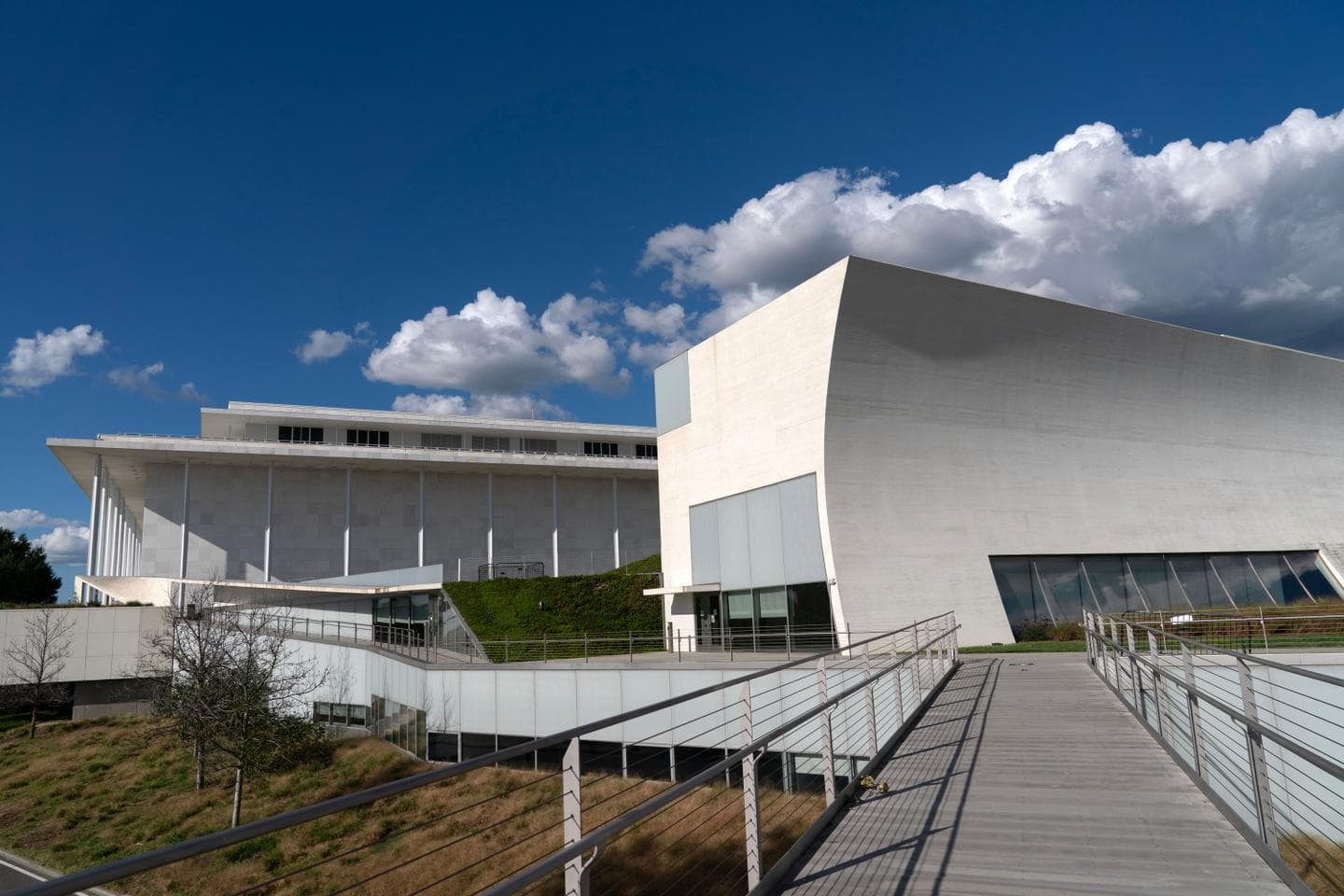
Kennedy Center Closure
Federal Judge Blocks Trump Renaming Effort as Kennedy Center Board Closes Facilities
Anonymous
Key Points
1
The closure vote was reportedly the board’s third such vote since February, amid claims that the center was in “dire” financial and structural condition.
2
Trump’s name had already been removed from the facade in June after the Justice Department made several unsuccessful attempts to pause Judge Cooper’s earlier order.
3
Trump had reshaped the institution’s governance before the dispute by removing half of the traditionally bipartisan board, replacing those members with allies and naming himself chairman.
4
Rep. Joyce Beatty said the center had previously planned phased renovations that would allow performances to continue, arguing that donors, patrons and artists left after the attempted renaming.
5
Trump accused Judge Cooper of being a “very hostile and conflicted Judge” and complained that more than six months had been wasted in court proceedings.
A federal judge blocked the Kennedy Center board from adding President Trump's name to the building for a second time on September 15, ruling that proposed inscriptions would violate federal law and an earlier court order The Hill. Hours later, the Trump-controlled board voted to immediately close the center's main facilities for renovations, citing severe financial and structural problems AJC. Trump warned that major reconstruction will not happen unless an appeals court or the Supreme Court permits his name to be restored We Got This Covered.
Judge Blocks Trump Inscriptions and Plaza Names
U.S. District Judge Christopher Cooper issued a 22-page ruling that rejected the board's August attempt to add inscriptions crediting Trump with renovations. The judge said the board cannot install memorials at the Kennedy Center without Congress's approval. Cooper also blocked renaming the grounds the "President Donald J. Trump Plaza."
Trump's name had already been removed from the building facade in June after the Justice Department pursued unsuccessful attempts to pause an earlier court order The Hill. The board claimed the new language was merely an acknowledgment and provided no credible evidence that Trump's name was needed to attract donations or preserve the institution The Hill.
Board Votes to Close Facility Hours After Court Ruling
The Kennedy Center board voted to immediately shut most of the iconic performing arts venue for safety repairs AJC. The closure vote was the board's third such attempt since February, amid claims that the center faced "dire" financial and structural conditions The Hill. Some programming is expected to continue at the REACH expansion and other venues AJC.
Trump blamed Judge Cooper for the closure and called the center "collapsing." He accused Cooper of being a "very hostile and conflicted Judge" and complained that more than six months were wasted in court proceedings The Hill.
Trump Reshaped Board Before Pushing Naming Effort
Trump reshaped the Kennedy Center's traditionally bipartisan governance by removing half the board members and replacing them with allies. He then named himself chairman. This gave him control over the institution before attempting to add his name to the building AJC.
Democratic Rep. Joyce Beatty, a Kennedy Center board member who sued over the renaming effort, condemned the closure and said she would return to court The Hill. Beatty argued that the center had previously planned phased renovations that would allow performances to continue, and that donors and artists left after the attempted renaming The Hill.
Legal Battle Over Federal Law and Congressional Authority
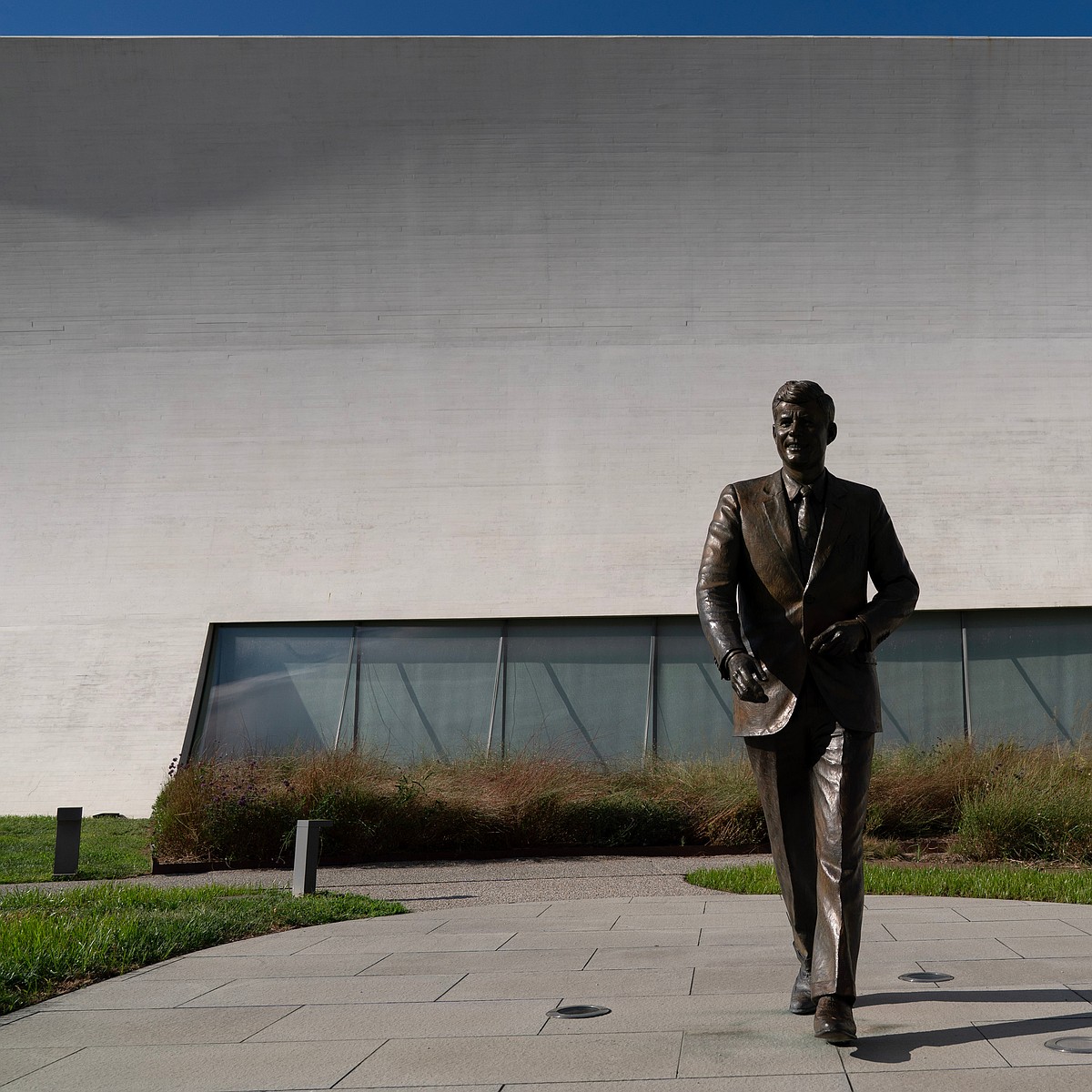
The Kennedy Center's official designation as the John F. Kennedy Memorial Center for the Performing Arts was established by Congress in 1964 as a sole memorial to President Kennedy. Federal law reserves naming and design changes for national memorials exclusively to Congress We Got This Covered. Judge Cooper's ruling emphasized this legal barrier in both his May and September decisions.
Trump warned that if courts reject the naming plan, the Kennedy Center will not be renovated The Hill. However, Judge Cooper's May injunction against closing the center remains in effect, and the board must persuade the judge to lift it or win on appeal before closing the main facility. The Justice Department is actively appealing the judge's orders The Hill.
Sentiment
Mostly NegativeNEGATIVENEUTRALPOSITIVE
Publishers
74
Articles
606
Reach
680
A
AnonymousAuthor