Residential Treatment Update
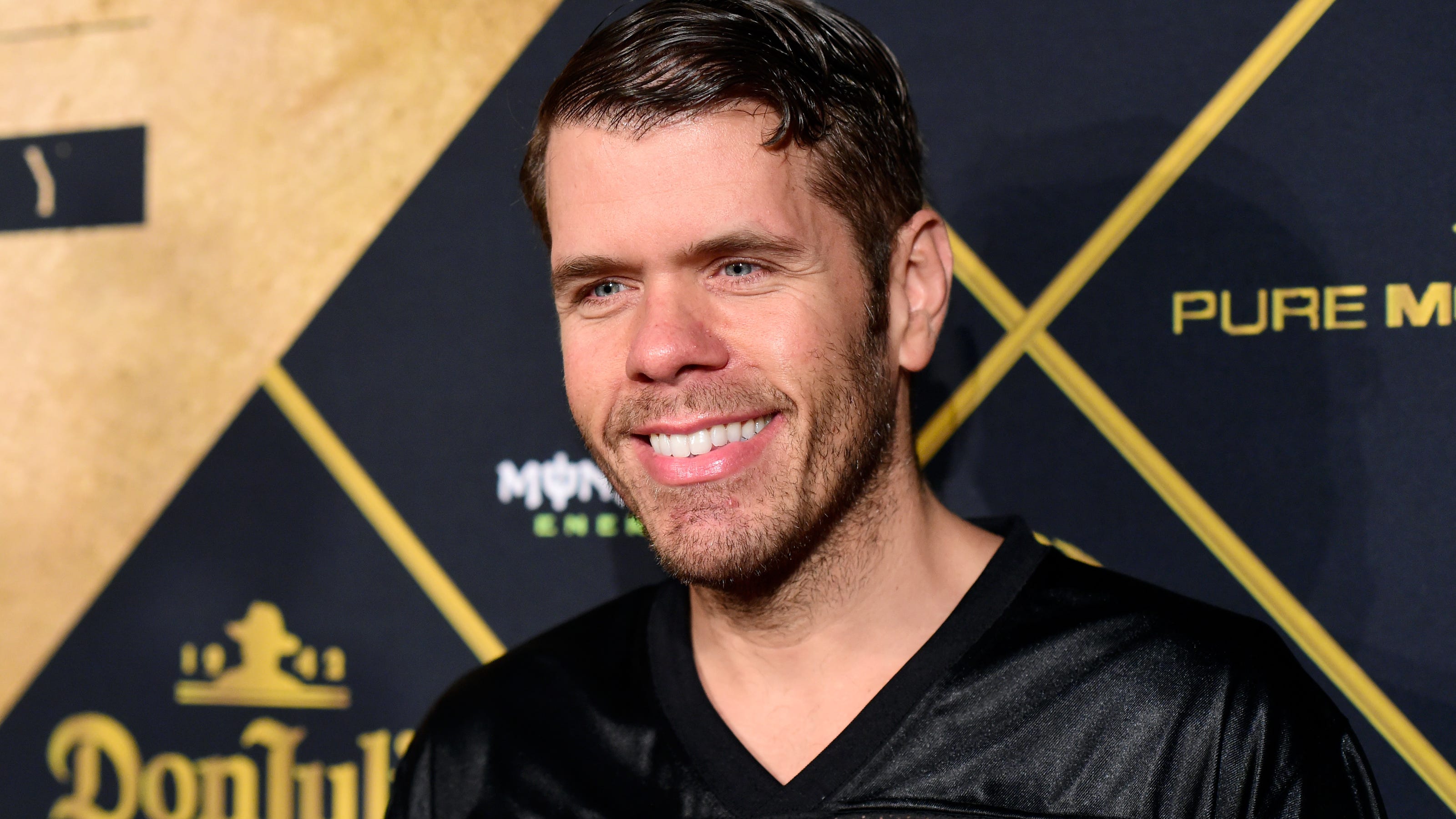
Perez Hilton enters a residential treatment program following a severe mental health crisis.
Anonymous
Key Points
1
Authorities treated Hilton for lacerations and an overdose before he was hospitalized under Florida’s Baker Act, which permits involuntary detention when someone is considered a danger to themselves or others.
2
His family previously reported that the crisis caused significant blood loss and multiple broken bones, required surgery, and led to psychiatric consultations during his inpatient care; his TikTok account was subsequently banned.
3
Hilton’s children—Mario, 13, Mia, 11, and Mayte, 8—are reportedly living under the temporary care of their grandmother, Teresita Lavandeira. Court documents cited by TMZ reportedly require Hilton to receive psychiatric clearance before visits, which must be supervised by an approved family member or therapist.
4
The Miami-Dade Sheriff’s Office told CNN that it received multiple calls about an individual livestreaming acts of self-harm on social media, without naming Hilton directly at the time.
5
Hilton’s family said he had reached a point where he believed the people he loved would be better off without him, and added that he has spent years acknowledging, apologizing for and trying to grow from controversial conduct earlier in his career.
Perez Hilton, the celebrity blogger born Mario Armando Lavandeira Jr., has entered residential treatment following a mental health crisis on August 4 that involved self-harm during a livestream from his Miami home Central Oregon Daily. After weeks of hospitalization for lacerations, an overdose, and multiple broken bones that required surgery, his family says he will remain in treatment for several more weeks, with duration depending on his care team's recommendations News Observer.
Hilton's three children—Mario, 13, Mia, 11, and Mayte, 8—are living under their grandmother's care while he recovers. His family says he is lucid and communicates clearly, and they disputed reports he has severe memory loss or is disoriented The News Tribune. He has no access to his phone or laptop during treatment, a restriction aimed at limiting public pressure and supporting his clinical focus Tri-City Herald.
Crisis Triggered Hospitalization Under Florida Law
Authorities responded to calls about self-harm being livestreamed from Hilton's home on August 4. The Miami-Dade Sheriff's Office received multiple calls reporting the incident. Hilton was treated for lacerations and an overdose before being hospitalized under Florida's Baker Act Central Oregon Daily. This law permits involuntary psychiatric detention when someone is deemed a danger to themselves or others.
His family reported significant blood loss and multiple broken bones during the crisis. Surgery was required to address his injuries. Psychiatric consultations occurred during his inpatient stay at the hospital. His TikTok account was subsequently banned News Observer.
Family Clarifies Health Reports and Misconceptions
Perez Hilton's family issued a statement disputing claims circulating about his current condition. They denied reports that he has severe memory loss, is disoriented, or is physically covered in stitches and gauze Central Oregon Daily. Instead, the family emphasized that he is communicating clearly and remains lucid while in treatment.
The family also shared deeper context about the crisis. They said Hilton had reached a point where he believed the people he loved would be better off without him The News Tribune. His family added that he has spent years acknowledging and apologizing for controversial behavior from earlier in his career News Observer.
Children Safe Under Grandmother's Care With Supervised Visitation
Hilton's three children are being cared for full-time by their grandmother, Teresita Lavandeira, while he remains in treatment. The family emphasized that the children are safe and maintaining routine and stability during this period Tri-City Herald.
Court documents cited by media outlets reportedly require Hilton to receive psychiatric clearance before visiting his children. Any visits must be supervised by an approved family member or therapist Central Oregon Daily. This temporary arrangement protects the children while preserving the possibility of family contact as his recovery progresses.
Treatment Plan Removes Digital Access to Support Recovery
As part of residential treatment, Hilton has no access to his phone or laptop. This restriction limits his exposure to public commentary and rumors about his condition The News Tribune. It also removes pressure from livestreaming and social media, allowing him to focus solely on recovery.
Communication is now centralized through his family and treatment clinicians. His family says the duration of his residential stay will depend on his care team's recommendations, indicating that recovery planning—not a fixed timeline—will determine when he advances to the next stage News Observer.
Sentiment
Mostly NegativeNEGATIVENEUTRALPOSITIVE
Publishers
16
Articles
86
Reach
102
Topics
A
AnonymousAuthor


