UK Airspace Outage
Military flight plan data error triggered major UK air traffic control outage.
Anonymous
Key Points
1
The outage shut British airspace for about four hours, and restarting the systems—which normally manage roughly 8,000 flights a day—took several attempts.
2
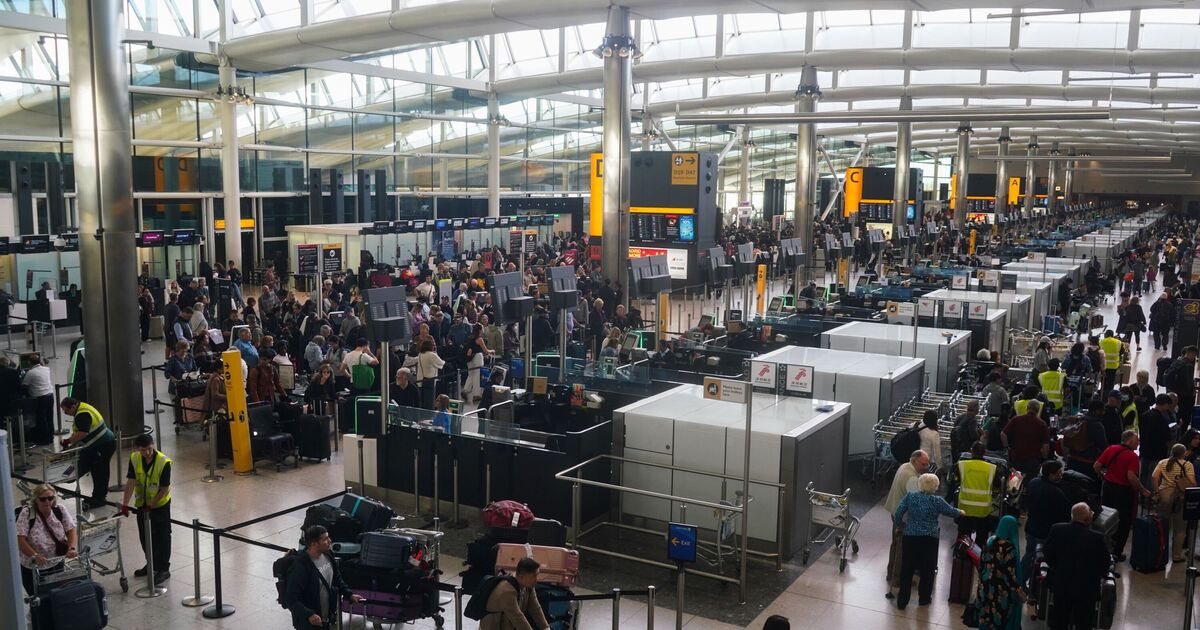
The disruption affected an estimated 300,000 passengers, with more than 2,000 flights cancelled over three days; Heathrow alone recorded 28 cancellations, including seven departures and 21 arrivals.
3
An airline executive questioned whether safeguards promised after the 2023 outage had actually been implemented: “We were told the [recommendations after 2023] had been fully implemented, but to tell you the truth, we never saw the evidence.”
4
The disruption spread across 15 NATS-controlled airports, including Gatwick, Glasgow, London City, Manchester, Luton and Aberdeen, rather than being confined to the main control centre.
5
NATS chief executive Martin Rolfe faced renewed scrutiny over his leadership, including questions about his £1.5 million compensation package, of which £871,000 was reportedly bonuses.
A military aircraft's flight plan containing faulty data triggered a major collapse of the UK's air traffic control system, grounding thousands of flights and stranding an estimated 300,000 passengers, according to The Guardian. The outage shut British airspace for roughly four hours in August 2023, forcing staff at NATS to handle traffic manually after both primary and backup systems failed simultaneously.
Investigators found that duplicated waypoints in the military flight plan caused the software processing system to crash, affecting all 15 NATS-controlled airports from Heathrow to Glasgow, GB News reported. The Ministry of Defence said it did not believe the disruption resulted from a direct military error, though the incident has renewed pressure on NATS leadership over whether promised safety improvements were actually put in place.
How One Flight Plan Crashed Multiple Backup Systems
The outage began when a single military aircraft submitted a flight plan with what officials called "spurious" data — unusual or false information that broke the normal processing rules, Daily Record reported. This rare combination of duplicated waypoints overwhelmed the flight-plan software, causing it to fail instantly. Because the backup systems ran the same software, both collapsed at once.
NATS normally handles roughly 8,000 flights per day. When the systems went down, controllers had no choice but to manage traffic manually, slashing capacity and forcing airlines to cancel or delay thousands of flights. Restarting the systems took several attempts, extending the chaos across three days.
Heathrow and 14 Other Airports Hit Simultaneously
The outage was not limited to a single location. Heathrow suffered 28 cancellations alone — including seven departures and 21 arrivals — while the disruption spread across Glasgow, Gatwick, Manchester, Luton, London City and Aberdeen, according to AOL. More than 2,000 flights were cancelled over the three-day period.
An airline executive highlighted a troubling gap in safety assurance. "We were told the [recommendations after 2023] had been fully implemented, but to tell you the truth, we never saw the evidence," the executive said. This comment raises questions about whether promised safeguards were actually deployed or merely claimed.
Renewed Pressure on NATS Chief Over Safeguards and Pay
NATS chief executive Martin Rolfe faces mounting scrutiny over his leadership and whether his team properly implemented the safety recommendations that were supposed to prevent another outage. The incident has also drawn attention to his £1.5 million compensation package, of which £871,000 was bonuses.
Officials warned that the effects of the outage could persist for weeks as the aviation industry absorbs the disruption. The incident has rekindled debate over whether the UK's air traffic control infrastructure is resilient enough to handle modern demands and whether single points of failure still exist in critical backup systems.
Sentiment
Mostly NegativeNEGATIVENEUTRALPOSITIVE
Publishers
38
Articles
80
Reach
118
A
AnonymousAuthor


