Families Return Home
Lebanese Families Return to Southern Villages Amid Israel 'Pilot Zones' Agreement
Anonymous
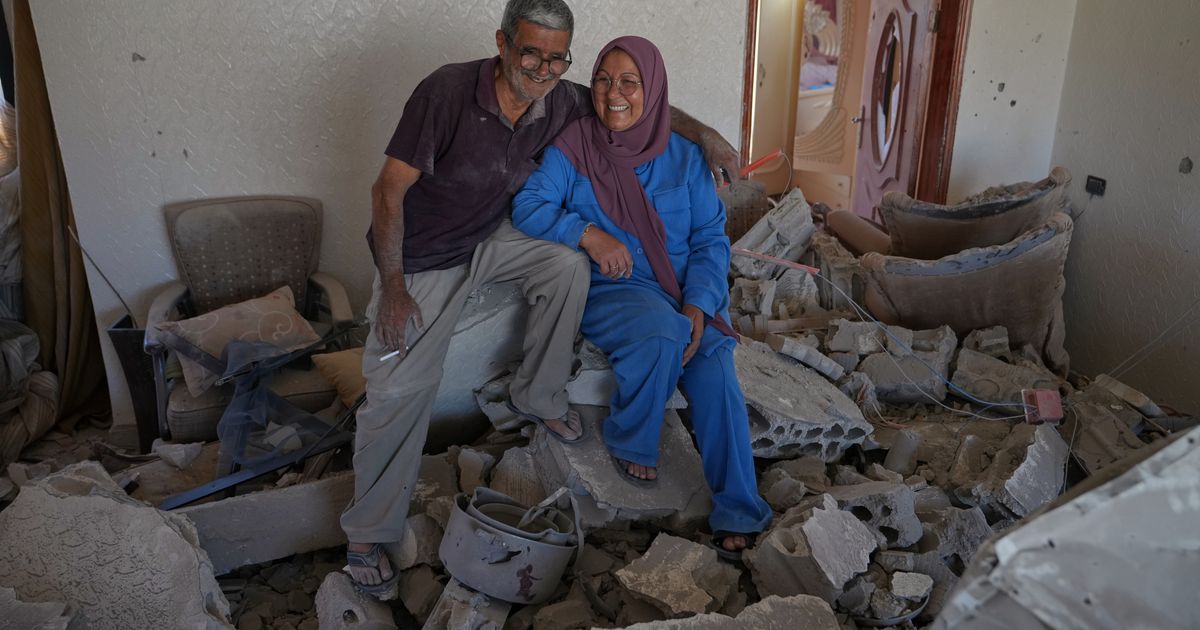
A handful of families have returned to Zawtar al-Gharbieh, a village in southern Lebanon, sifting through the rubble of homes destroyed in the Israel-Hezbollah war, according to Click Orlando. Their return is part of a U.S.-brokered deal known as the "pilot zones" agreement, in which Israel agreed to pull back from certain areas in exchange for Hezbollah disarming.
The returns are small in number. Most residents have stayed away, wary of what they will find — or whether it is truly safe to go back, WRAL reported.
What the 'Pilot Zones' Deal Actually Means
The "pilot zones" agreement is a U.S.-led framework tied to the broader ceasefire between Israel and Hezbollah. Under the deal, Israel withdraws from specific, limited areas of southern Lebanon. In return, Hezbollah is expected to disarm in those zones, according to Stamford Advocate. Think of "pilot zones" as small test areas — a trial run before any wider pullback happens.
The deal reflects how fragile the post-war situation remains. Both sides are moving carefully. Israel has not fully withdrawn from southern Lebanon, and Hezbollah's disarmament is still far from complete, WBOC reported.
Families Dig Through Rubble With Few Resources
The families who did return found heavy damage. Homes were destroyed or badly damaged during the fighting. Residents dug through debris by hand, looking for belongings or signs of what could be salvaged, according to KDH News. The scenes showed just how devastating the war was for this part of Lebanon.
With little infrastructure left standing, returning is not easy. There is no clear sign of when services like electricity or water will be restored. For many residents, that uncertainty is a key reason most have chosen to stay away for now, KVUE reported.
Why Most Displaced Residents Are Still Waiting
The number of families who returned is described as "few" — a word used across multiple reports. Southern Lebanon saw massive displacement during the Israel-Hezbollah conflict. Hundreds of thousands of people fled their homes. The pilot zones deal was meant to open the door to returns, but so far, that door has barely cracked open, according to Journal News.
Safety concerns are a major factor. Even in areas where Israel has agreed to pull back, residents worry about unexploded bombs and ongoing tensions. Many are waiting to see whether the deal holds before risking a return to a village that may no longer look like home, WRAL reported.
What Comes Next for Southern Lebanon's Displaced
The pilot zones framework is being watched closely as a possible model for broader returns across southern Lebanon. If it works — if Israel pulls back and Hezbollah disarms in these test areas — it could pave the way for more families to go home. But that is far from guaranteed, according to Stamford Advocate.
For now, the images from Zawtar al-Gharbieh tell the real story. A few people digging through ruins. A village that was full of life now mostly empty. The road back, for most families, is still a long one, Click Orlando reported.
Sentiment
NeutralNEGATIVENEUTRALPOSITIVE
Publishers
7
Articles
6
Reach
7
Topics
A
AnonymousAuthor


