Noncitizen Voting Focus
Trump and allies focus on noncitizen voting claims ahead of crucial midterms.
Anonymous
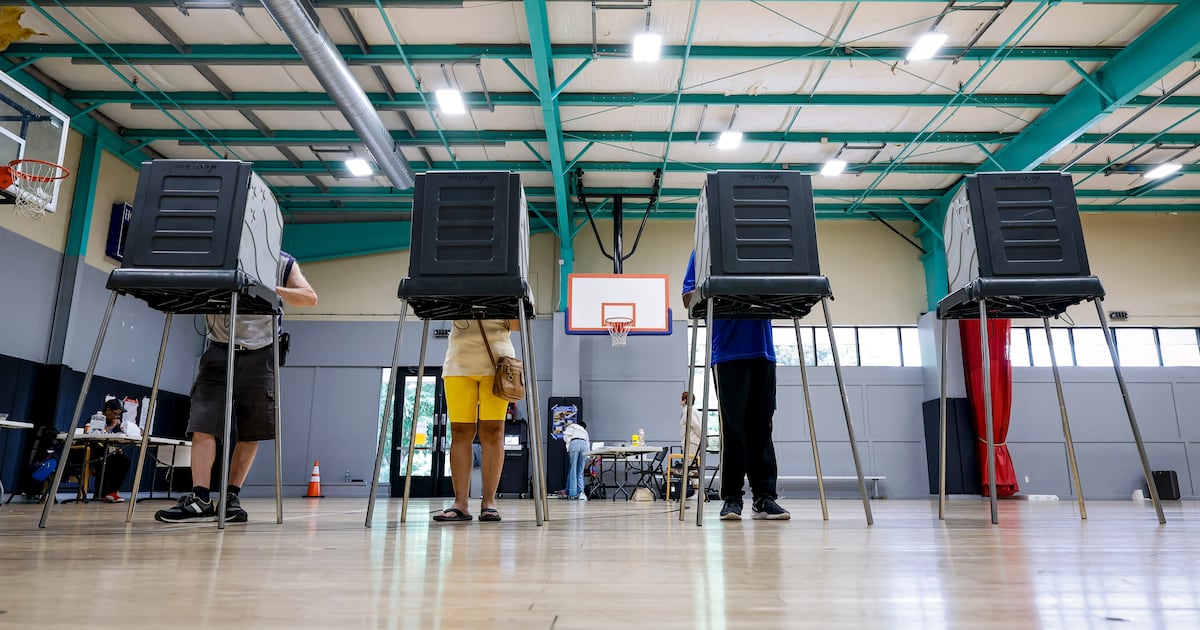
President Donald Trump and his allies are making noncitizen voting a centerpiece of their midterm strategy, citing a controversial report to fuel doubts about election integrity KTAR. The White House and Census Bureau have both promoted claims that thousands of noncitizens voted in 2020, while the Department of Homeland Security asserts that 250,000 noncitizens may be registered in just four states US News. Election experts warn the flawed methodology could sow distrust and set the stage for legal challenges if results don't favor Republicans.
The push comes as Republican senators press for legislation requiring proof of citizenship to register for midterm elections. Critics argue the focus on noncitizen voting—despite limited evidence of widespread fraud—is designed to undermine confidence in the electoral process ahead of a race where control of Congress hangs in the balance.
A Report With Serious Methodological Flaws
The government's noncitizen voting claims rest on a report promoted by the Census Bureau and White House Click On Detroit. The DHS figure of 250,000 noncitizens on rolls across four states comes from this same investigation US News. Election researchers have flagged critical problems with how the data was collected and analyzed, raising questions about its reliability.
Setting Up Legal Challenges Before Election Day
By repeatedly highlighting noncitizen voting before the midterms, Trump and his allies are laying groundwork to challenge results if they lose News 4 Jax. The strategy mirrors Trump's post-2020 approach: seed doubt about election integrity, then use those doubts to justify legal action. A loss in a close race could trigger lawsuits arguing the outcome was tainted by noncitizen ballots.
This comes as Republicans push Congress to pass citizenship verification laws for midterm registration Click Orlando. The dual approach—claims of existing fraud plus demands for new rules—aims to weaken Democratic momentum heading into the general election.
Postal Service Demands and Election Access Tensions
The White House has suggested the U.S. Postal Service restrict mail voting options, a move that would disproportionately affect voters in urban areas MyNorthwest. Trump allies frame this as election security, but critics see it as voter suppression disguised as fraud prevention.
Election officials across the country worry that baseless fraud claims erode public trust in voting systems that are already secure. The repeated focus on noncitizen voting distracts from real threats to election integrity, like foreign interference or misinformation campaigns.
The Broader Pattern of Distrust
Trump's noncitizen voting push follows his failed attempts to overturn the 2020 election Tri-City Record. Each new claim—despite fact-checks debunking it—reaches millions of supporters who increasingly doubt whether votes are counted fairly. This erosion of trust has real consequences: it makes voters less likely to accept unfavorable outcomes.
Election security experts say the best defense against these narratives is transparent, accessible voting combined with clear communication about how elections actually work. But as long as political leaders promote flawed reports, rebuilding confidence becomes harder.
Sentiment
NeutralNEGATIVENEUTRALPOSITIVE
Publishers
9
Articles
8
Reach
9
Topics
A
AnonymousAuthor


