Kyiv Daytime Missile Attack
Rare Daytime Russian Missile Attack on Kyiv Kills Six, Injuring Dozens and Sparking Shelter Alarms
Anonymous
Key Points
1
Six people were killed and dozens more injured in the Kyiv region, according to President Zelenskiy, with authorities focusing on identifying victims and documenting casualties.
2
Initial reports from RBC-Ukraine indicated there were no confirmed impacts or damage immediately after the Kyiv strike, even as explosions were heard in the capital.
3
Censor.NET reported that 10 to 12 ballistic missiles were fired at Kyiv during the attack, contributing to the evolving tally of munitions.
4
Kyiv Post noted that, in the first 19 days of July, Russia launched about 107 ballistic missiles and 20 Zircon missiles, with Militarnyi suggesting the numbers exceed known monthly production.
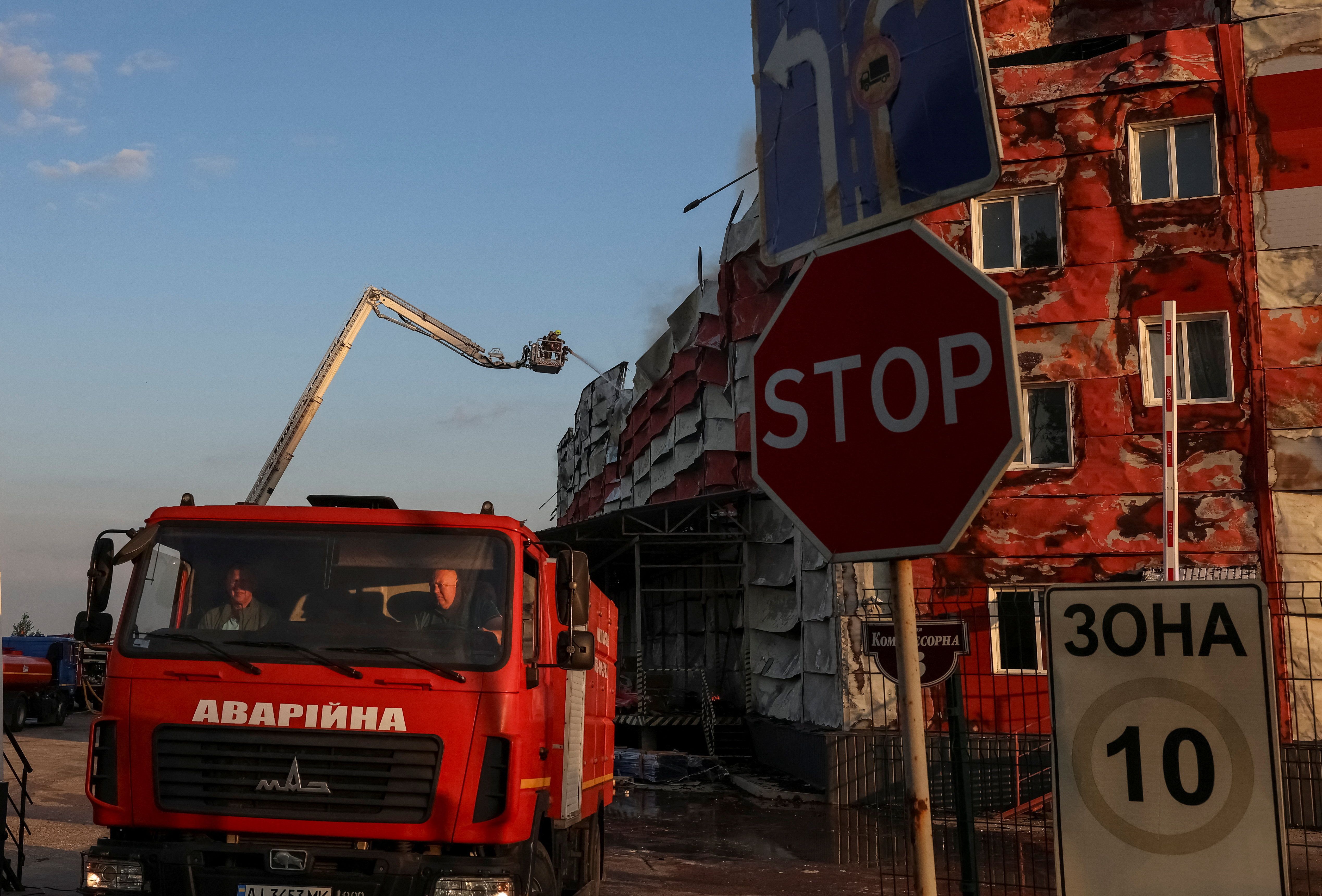
A rare daytime Russian ballistic missile attack struck the Kyiv region on July 24, killing at least six people and injuring dozens more, according to AJC. The strike came just after Ukrainian President Volodymyr Zelenskyy hosted executives from a US company that makes Patriot missile defense systems.
Explosions echoed across the capital as air defenses engaged incoming missiles fired from the north. Rescuers were sent to districts including Sviatoshynskyi as smoke rose over the city. The death toll later climbed to 10, with roughly 100 people injured, according to MarketScreener.
Strike Hits Site of Ukrainian Defence Industry Event
The missile strike targeted a location where a defence industry event was being held, according to MarketScreener. That timing raised immediate questions about whether Russia had intelligence on the gathering. Zelenskyy had just finished hosting US Patriot manufacturer representatives at the site.
Authorities launched investigations to identify victims and document the full scope of casualties. Lancaster Online reported that Zelenskyy confirmed at least six deaths and dozens of injuries in the region. Medical teams and emergency responders were dispatched across affected districts as the situation remained fluid.
Up to 12 Ballistic Missiles Fired From the North
Censor.NET reported that 10 to 12 ballistic missiles were launched at Kyiv during the attack. Authorities said the missiles came from the north. The types used may have included Iskander, S-300, S-400, and possibly Zircon or cruise missiles, based on early observer reports.
Initial reports from RBC-Ukraine noted no confirmed impacts or damage immediately after the strike, even as explosions were heard across the capital. That gap between explosions and confirmed damage is common during fast-moving ballistic attacks, when assessment takes time. Air defense systems were actively engaging the high-speed targets throughout the assault.
Russia's July Missile Surge Breaks Monthly Records
The July 24 strike was not an isolated event. CT Insider reported that in just the first 19 days of July, Russia launched about 107 ballistic missiles and 20 Zircon hypersonic missiles at Ukraine. Military analysts at Militarnyi said those numbers exceed Russia's known monthly production capacity.
The pace suggests Russia is drawing down stockpiles or ramping up output — or both. Analysts warn the heavy July launches may be designed to exhaust Ukrainian air defenses before larger nighttime attacks. The surge underscores a broader shift toward more frequent and more varied missile campaigns against Ukrainian cities.
Daytime Attacks Signal a Shift in Russian Strategy
Daytime strikes on Kyiv are rare. Russia has historically favored night attacks, which are harder for air defenses to track and give civilian warning systems less reaction time. Analysts say the shift to daytime may reflect technical delays, a deliberate show of force, or an attempt to overwhelm defenses at unexpected hours.
The July episode follows an unusually active month of Russian missile launches, according to AJC. The persistent attacks highlight Kyiv's ongoing vulnerability even as Ukraine acquires more Western air defense systems. Zelenskyy has repeatedly called on allies to supply more Patriots and interceptors to protect Ukrainian cities from the growing missile threat.
Sentiment
Mostly NegativeNEGATIVENEUTRALPOSITIVE
Publishers
40
Articles
100
Reach
140
A
AnonymousAuthor


