Bitchat India App Ban
Apple removes decentralized messaging app Bitchat from India App Store under government order
Anonymous
Key Points
1
At the time of Moneycontrol’s checks, Bitchat was also unavailable on Google Play and its website was not opening. The report cautioned that those checks did not establish whether the government order caused those separate access problems.
2
The July GitHub action used a different legal route: the Indian Cyber Crime Coordination Centre cited Section 79(3)(b) of the IT Act and Rule 3(1)(d) of the IT Rules. Digital-rights groups had argued that Section 69A, which includes procedural safeguards, was the designated route for blocking access.
3
Section 69A allows the central government or an authorised officer to direct intermediaries to block public access to information on specified grounds, including national security, public order and prevention of certain cognisable offences; it also provides for procedures and safeguards.
4
Bitchat is open-source and relays encrypted messages between nearby phones over Bluetooth without internet access or central servers. Its design also avoids requiring users’ phone numbers or email addresses.
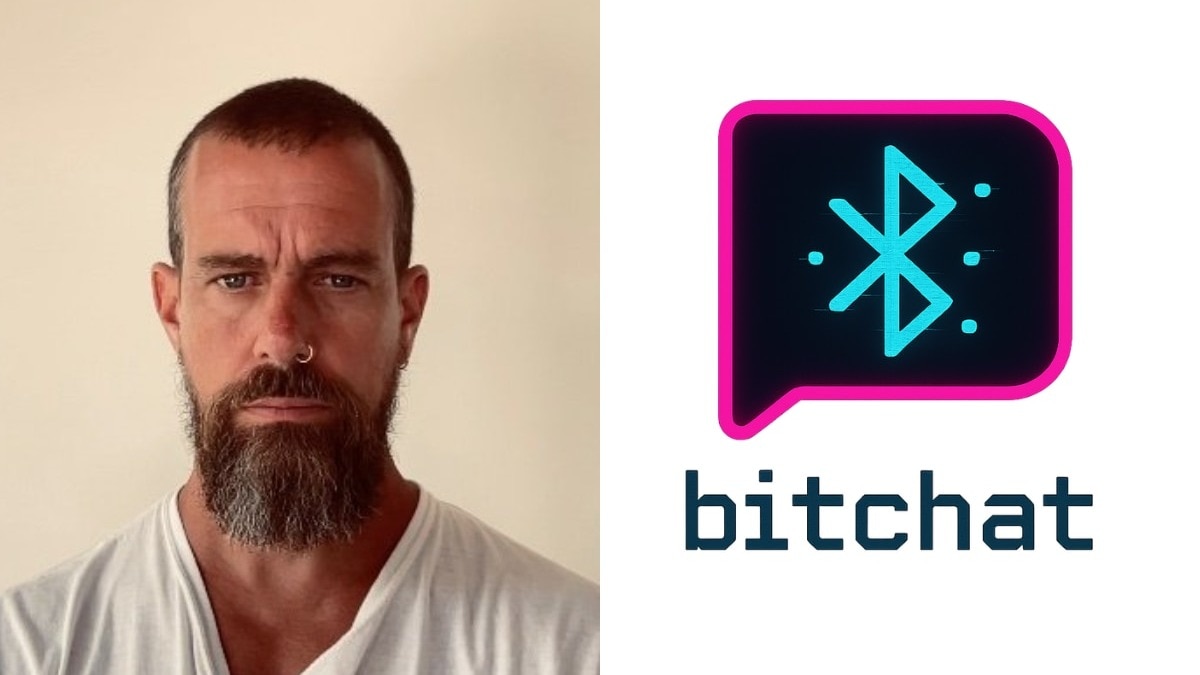
Apple removed Bitchat, an offline messaging app backed by Twitter co-founder Jack Dorsey, from India's App Store after the government issued a takedown demand. Mint reports the Ministry of Electronics and Information Technology cited Section 69A of the Information Technology Act, which allows the government to block content deemed illegal. Apple's notice to users said the app contained illegal content but did not specify what that content was or provide details of the government order.
The removal affects only India. Bitchat remains available in other countries where the developer chose to release it. Business Today confirmed that TestFlight access—Apple's testing program—has also been disabled in India. The app lets nearby users send encrypted messages over Bluetooth without needing internet, phone numbers, or email addresses.
Government Used Different Legal Route Earlier This Year
In July, Indian authorities targeted Bitchat through a different legal mechanism. ANI News reports the Indian Cyber Crime Coordination Centre blocked the app's GitHub repositories using Section 79(3)(b) of the IT Act and Rule 3(1)(d) of the IT Rules. Digital rights groups had argued that Section 69A—which includes procedural safeguards—should be the proper route for blocking access, making the July action legally questionable.
What Section 69A Actually Permits
Section 69A gives the central government power to order intermediaries to block public access to information. It covers several grounds: national security, public order, and prevention of certain crimes. The law requires procedures and safeguards that protect users' rights. Unlike the July GitHub action, Apple's removal technically followed the correct legal framework—though Apple provided no public explanation of why the government considered Bitchat illegal.
Bitchat's Design Makes It Hard to Surveil
Bitchat is open-source software that relays encrypted messages between nearby phones over Bluetooth. It requires no internet connection, no central servers, and no phone number or email to use. This design prevents the government from monitoring communications or requiring user data—features that likely made Indian authorities view it as a security risk. Rediff noted that at the time of checks, the app was also unavailable on Google Play, though it remained unclear if the government order caused that removal.
Sentiment
Mostly NegativeNEGATIVENEUTRALPOSITIVE
Publishers
12
Articles
41
Reach
53
A
AnonymousAuthor


