Korean Retail Automation
South Korean Shops Turn to Robots and Self-Service Amid Rising Labor Costs
Anonymous
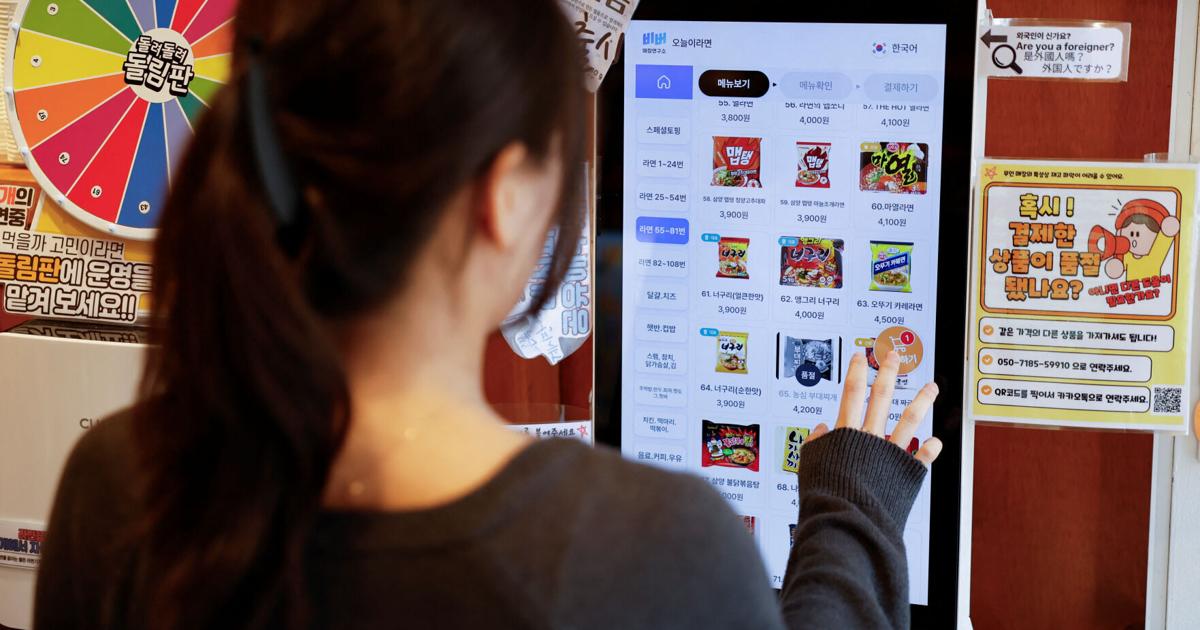
Unstaffed coffee shops, ramen eateries, and flower outlets are spreading fast across South Korea as small business owners turn to robots and self-service kiosks to cut labor costs. According to The Independent, South Korea's National Fire Agency estimates there will be 9,000 unstaffed shops operating across the country in the near future.
The shift is reshaping how everyday South Koreans shop, eat, and grab their morning coffee — with machines stepping in where workers used to stand.
Rising Labor Costs Push Owners Toward Automation
South Korea has seen steady increases in its minimum wage in recent years. Those rising costs have squeezed small business owners hard. Many say hiring even one or two employees is no longer affordable. Robots and kiosks offer a way out — they work around the clock and never ask for a raise.
The trend is not limited to one type of business. Tulsa World reports that coffee shops, ramen restaurants, and flower stalls have all moved toward self-service models. Owners say the savings on wages can be significant enough to keep a small shop alive.
Robots and Kiosks Replace the Human Touch
In many of these new shops, customers order through a touchscreen kiosk. A robotic arm or automated machine then prepares the item. Some coffee shops use robotic baristas that can brew and serve a drink without any human help. The shops stay open 24 hours a day with no staff on site.
Trib notes that a hybrid model is also emerging. Some businesses use robots to handle routine tasks — like restocking shelves or cleaning up — while a small number of human employees handle customer issues. This setup cuts payroll costs while keeping some human presence.
Shoppers Adapt as Staffless Stores Go Mainstream
For many South Korean consumers, the change has been easy to accept. Younger shoppers in particular are comfortable with kiosks and apps. They are used to ordering food online and picking it up without talking to anyone. Staffless shops fit naturally into that routine.
Not everyone is happy, though. Older customers sometimes struggle with touchscreen systems. And workers who lose jobs to machines have few easy alternatives. WCF Courier notes that the broader spread of automation raises real questions about what happens to the people these machines replace.
South Korea Leads a Global Shift Toward Unstaffed Retail
South Korea is not alone in turning to automation, but it is moving faster than most. The country already has one of the highest rates of industrial robot use in the world. That culture of embracing technology makes the leap to unstaffed shops feel less dramatic than it might elsewhere.
Missoulian reports that the model is likely to keep growing as long as labor costs stay high. For small business owners, automation is less a choice and more a survival strategy. The question now is whether policymakers will step in — or let the machines keep winning.
Sentiment
NeutralNEGATIVENEUTRALPOSITIVE
Publishers
19
Articles
19
Reach
19
Topics
A
AnonymousAuthor


