Iran Diplomacy
Trump Halts Planned Strike, Opts for Diplomacy with Iran to Discuss Nuclear Deal
Anonymous
Key Points
1
Article 1 notes that the upcoming talks are expected to address not only Iran's nuclear activities but also the future of bilateral relations between the United States and Iran.
2
Regional allies urged Washington to hold fire, with Saudi Arabia, the UAE, Qatar and Iran cited as pressing for a diplomatic path.
3
Trump asserted that the United States could strike 'any time we want' but is giving negotiations space to proceed, arguing a deal could save lives.
4
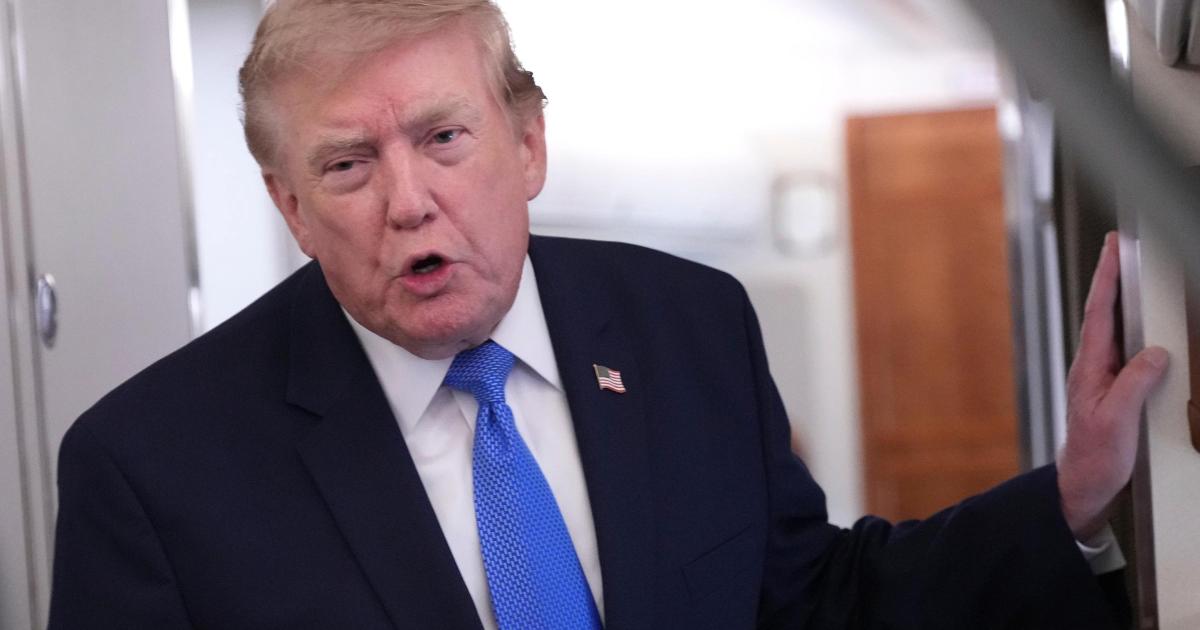
Remarks were delivered in the public frame of a White House event, with reports noting he spoke aboard Air Force One when outlining the shift toward diplomacy and fresh talks with Iran.
President Donald Trump revealed he called off what he described as the biggest U.S. military strike since World War II against Iran, choosing diplomacy over firepower after Gulf leaders urged Washington to hold fire. The Australian reported Trump made the announcement aboard Air Force One, saying a deal outline had emerged that could reopen the Strait of Hormuz and address Iran's nuclear program.
Trump announced that formal talks with Tehran would begin the following afternoon. He said the United States could strike "any time we want" but wanted to give negotiations room to work, arguing a deal could save lives.
Trump Halts Massive Strike After Gulf Leaders Push Back
The planned operation was already in place when Trump pulled back. According to Telegraph and Argus, Trump said he heard directly from key Gulf leaders before making the call. Saudi Arabia, the UAE, Qatar, and Iran itself all pressed Washington to pursue a diplomatic path instead of military action.
Trump framed the decision as a choice between killing and dealing. "I prefer making a deal to killing people," he said. He stressed that Iran did not want the strike and that Saudi Arabia favored diplomacy. A deal, he said, was "imminent."
Strait of Hormuz and Nuclear Program at the Center of Talks
The emerging deal framework targets two major issues: reopening the Strait of Hormuz and dismantling Iran's nuclear program. The Strait of Hormuz is a narrow waterway connecting the Persian Gulf to the open ocean. About 20 percent of the world's oil passes through it. Any closure sends global energy prices sharply higher.
Streamline Feed reported that the deal outline left clear space for negotiations to continue. Trump announced talks would begin the next afternoon. Both sides appeared willing to come to the table, at least for now.
Talks Expected to Cover Full Scope of U.S.-Iran Relations
The upcoming negotiations go beyond Iran's nuclear activities. Largs and Millport News noted that talks are expected to address the broader future of relations between the United States and Iran. That would mark one of the most sweeping diplomatic engagements between the two countries in decades.
The shift from a war footing to a negotiating table came fast. Hours before the announcement, a massive military strike was reportedly ready to launch. Now, both governments are preparing to sit down instead.
Trump Keeps Military Option Open While Backing Diplomacy
Trump was careful not to rule out force. He made clear that U.S. military power remains on standby. "We can strike any time we want," he said, signaling that the pause is conditional on progress at the negotiating table.
Irvine Times reported that Trump spoke at a White House event before later detailing the strike's cancellation aboard Air Force One. The back-to-back settings underscored how quickly the situation moved — from war planning one moment to deal-making the next.
Sentiment
Mostly NegativeNEGATIVENEUTRALPOSITIVE
Publishers
15
Articles
37
Reach
52
Topics
A
AnonymousAuthor