Qatar, Pakistan Intensify US-Iran De-escalation Efforts
Qatar, Pakistan Intensify US-Iran De-escalation Efforts
Anonymous
Key Points
1
Iranian Foreign Ministry spokesperson Esmail Baghaei said the conditions had already been communicated to Washington earlier in the week and were not new proposals. He added that Iran used its presence at the UN General Assembly to convey its positions directly and more explicitly to U.S. diplomats.
2
Baghaei dismissed President Donald Trump’s UN General Assembly speech as a series of repetitive claims and accusations, saying diplomats viewed the remarks as reflecting “not strength, but desperation.” He also argued that threats of military attack amounted to an admission of international crimes.
3
Trump claimed that the U.S. operation had destroyed Iran’s navy, air force, radar and anti-aircraft systems, and had nearly eliminated its missile and drone-manufacturing capacity. He also publicly presented Iran with a choice between a deal and the destruction of the Islamic Republic.
4
Qatar’s diplomatic appeal comes as the conflict has affected global oil routes, while market pricing has treated renewed diplomatic engagement as a possible catalyst for increased participation in peace talks.
Iran laid out four conditions for restarting peace talks with the United States through Qatar's mediation: an end to the war, a halt to U.S. military actions, removal of the naval blockade, and release of frozen Iranian assets Caspian Post. The demands were communicated to American diplomats at the UN General Assembly this week, marking a potential opening for de-escalation after weeks of escalating military tension in the Persian Gulf.
Qatar and Pakistan are now intensifying behind-the-scenes diplomacy to prevent wider conflict Voice of Emirates. However, prospects remain uncertain as President Trump has threatened further military strikes and claimed the U.S. operation already destroyed much of Iran's military capability, while Iranian officials dismiss his threats as signs of desperation.
Iran's Four-Point Demand for Ending the Conflict
Iranian Foreign Ministry spokesman Esmail Baghaei said Tehran conveyed its negotiation conditions through Qatar in New York Jerusalem Post. The conditions are straightforward: stop all military aggression, lift the naval blockade choking the Strait of Hormuz, remove all economic sanctions, and unfreeze Iranian assets held abroad Times of Israel.
Baghaei stressed that these were not new proposals—Iran had already sent them earlier in the week Caspian Post. He added that Iran used the UN General Assembly to spell out its positions directly to U.S. diplomats, making the message impossible to miss or misinterpret.
Trump Dismisses Diplomacy, Claims Military Victory
President Trump responded to Iran's overtures by presenting a stark choice: accept a deal or face destruction of the Islamic Republic Crypto Briefing. He claimed the U.S. military operation had destroyed Iran's navy, air force, radar systems, and anti-aircraft defenses, and had crippled most of its missile and drone factories.
Iranian officials view Trump's UN speech differently. Baghaei called the remarks repetitive accusations that revealed not strength, but desperation Jerusalem Post. He also argued that threats of military attack amount to admissions of international crimes under law.
Qatar and Oman Push for Safe Shipping and Regional Peace
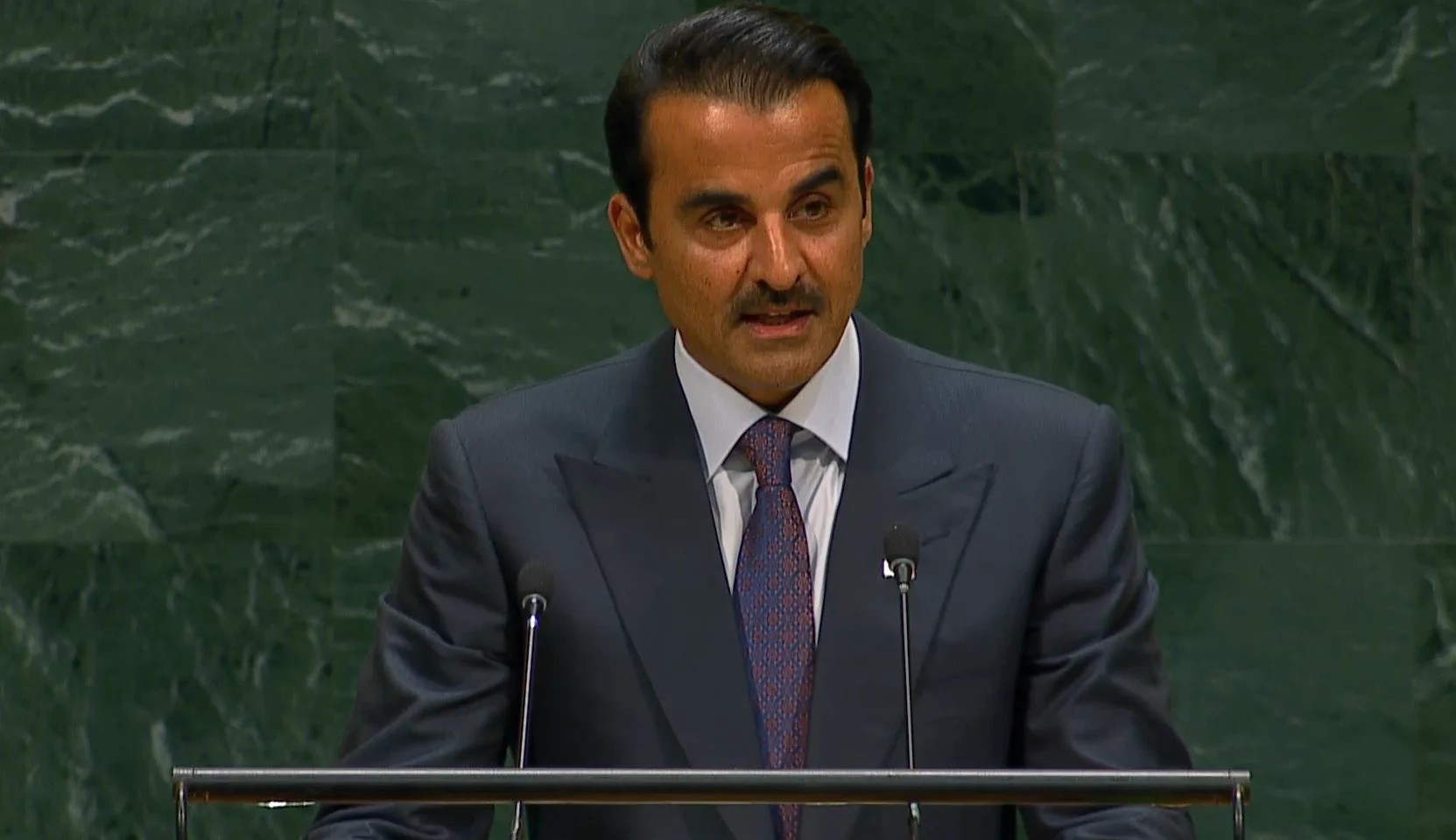
Qatar's leadership has stepped beyond Iran-U.S. mediation to tackle broader Gulf stability. Qatar's Emir, Sheikh Tamim bin Hamad Al Thani, emphasized that dialogue and political solutions are key to lasting Middle East peace Voice of Emirates. Qatari and Omani officials are now arranging protections for safe passage through the Strait of Hormuz, the world's busiest oil shipping chokepoint.
The Emir also called for full Gaza ceasefire implementation, including an end to Israeli military operations, full Israeli withdrawal, removal of the blockade, and unconditional humanitarian aid flows Voice of Emirates. These diplomatic efforts come as the conflict disrupts global trade routes, pushing up oil, food, and medicine prices worldwide.
De-escalation Hangs on Military Actions and Strait Control
Qatari mediators say an initial agreement on basic principles could unfreeze suspended negotiations. Both sides view two things as essential: stopping all military threats and reopening the Strait of Hormuz to international shipping without any single nation controlling it Crypto Briefing.
Iran insists its positions on the strait and regional security remain unchanged. Market analysts see renewed diplomatic engagement as a positive sign, with some oil traders betting that expanded peace talks could ease global energy prices. But without Trump backing away from military threats, the path to talks remains fragile.
Sentiment
Mostly PositiveNEGATIVENEUTRALPOSITIVE
Publishers
18
Articles
4
Reach
22
A
AnonymousAuthor


