Century of Spinning
The Classic Tilt-A-Whirl Ride Celebrates One Hundred Years at the Minnesota State Fair
Anonymous
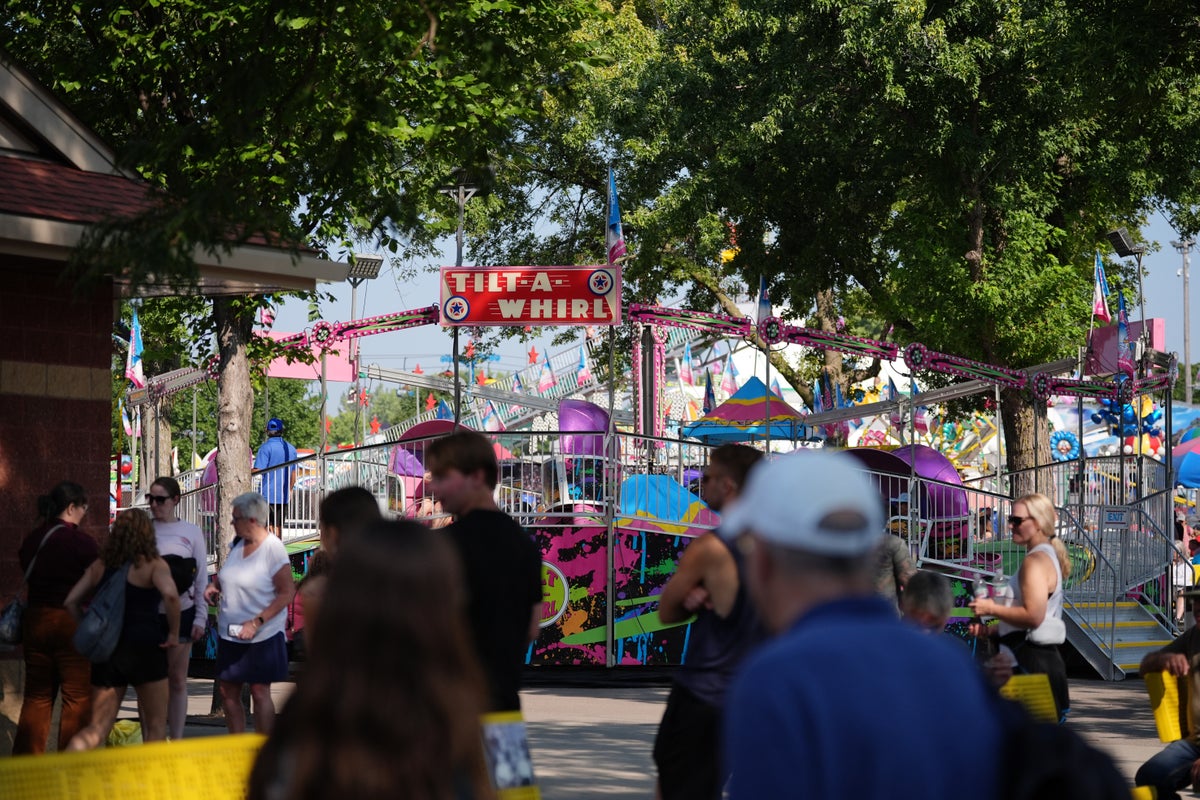
The Tilt-A-Whirl, a spinning carnival ride born in Minnesota 100 years ago, is still thrilling fairgoers with its unpredictable twists and dips. Winnipeg Free Press reports the iconic ride debuted at the Minnesota State Fair in September 1926, costing just 15 cents per ride. Today, it remains a beloved attraction at fairs across the country, powered by seven individual motors that work with gravity to create sensations riders can't predict.
From young children to adults reliving childhood memories, the Tilt-A-Whirl has become a multi-generational tradition. Newsday notes that only about 1,000 of these rides were ever built, making each one special. The ride's basic mechanics have stayed largely unchanged since its invention, proving that sometimes the simplest designs last the longest.
A Faribault Inventor's Brilliant Accident
Herbert Sellner, a furniture maker from Faribault, Minnesota, created the Tilt-A-Whirl almost by accident. He had designed a water-based spinning ride, but a storm destroyed it. His brother Martin suggested turning the spinning idea into a land ride instead. The first prototype was built in a neighbor's garden in 1926.
Sellner filed a patent for his new spinning machine and opened a factory in Faribault to produce the rides commercially. Within a year, he had built 14 units. Rice County Historical Society curator Jenna Nelson explained that the engineering was so solid that "all of that equipment is largely the same today." That durability is why the ride has survived a full century.
What Makes the Ride Spin So Unpredictably
The magic of the Tilt-A-Whirl lies in its physics. Seven electric motors power the ride, but gravity and the riders' own weight do most of the work. As the car moves over the dips in the floor, gravity pulls it down and makes it spin. No two rides feel exactly the same because the speed and weight distribution change every time.
This unpredictability is exactly what Rice County Historical Society Executive Director David Nichols says makes it special. "There really is no amusement ride quite like a Tilt-A-Whirl," he noted. Modern roller coasters use computers to control every twist and turn. The Tilt-A-Whirl trusts physics instead—and riders love not knowing what comes next.
Three Generations of Fair Memories
For Minnesota native Valerie Nelson, the ride holds decades of joy. "It's my favorite ride forever and ever," she said. "I love the spin when it pushes you back into the chair." Nelson first rode it as a child and keeps coming back at every fair. She's not alone—many families call it their must-do tradition.
Samuel Mishek, a 7-year-old from Minneapolis, rode the Tilt-A-Whirl twice in a row during the 100th anniversary celebration. "I like when there's little bumps because you can get ready and you know when it's going to turn really fast," he said happily. Audacy reported that kids and adults alike keep the ride packed with riders from opening to closing time.
From Faribault to the World
What started as one Minnesota inventor's idea has spread across the globe. Within the first decade, Beaumont Enterprise reports that 150 Tilt-A-Whirls were operating internationally. Today, the ride is still manufactured and still spins at carnivals and fairs worldwide. The company changed hands in 2011 when Texas-based Larson International bought Sellner Manufacturing, but the ride itself has barely changed.
Faribault celebrates its role in carnival history. Restored vintage Tilt-A-Whirl cars are displayed around town, and local historical societies preserve the Sellner family's original designs and patents. Minnesota State Fair visitors from around the world now know they're riding a piece of American carnival history when they climb into those brightly colored cars.
Sentiment
NeutralNEGATIVENEUTRALPOSITIVE
Publishers
30
Articles
30
Reach
30
A
AnonymousAuthor


