Rising Rabies Exposures
CDC Issues Nationwide Rabies Advisory as Exposures and Treatment Rates Surge
Anonymous
Key Points
1
The CDC said rabies-related inquiries in July and August were 17% higher than during the same period in 2025.
2
Pharmacy data showed use of the two U.S.-licensed rabies vaccines rose an estimated 33% year over year, while use of rabies immune globulin increased 76%; at least eight state health departments reported increased use of post-exposure prophylaxis, treatment-administration errors, or both.
3
North Dakota State University’s laboratory found nine positive tests among 349 animals examined; seven of the positive animals came from North Dakota, and eight were bats.
4
Marion County officials said earlier 2026 infections involved not only raccoons and bats but also a coyote, cat and fox, underscoring that multiple wildlife and domestic species can carry the virus locally.
5
Officials advised residents to watch for warning signs in animals, including unprovoked aggression, unusual tameness, staggering, excessive salivation and paralysis, and to prevent wildlife access to outdoor pet food and open garbage.
Federal health officials issued a nationwide rabies advisory this week as reports of possible exposures and post-exposure treatments climbed significantly. CDC said rabies-related inquiries in July and August were 17% higher than the same period last year, while pharmacy data showed rabies vaccine use jumped 33% year over year and rabies immune globulin use surged 76%.
The rise does not necessarily signal a widespread outbreak, but rather reflects increasing awareness and precaution. Rabies remains nearly always fatal after symptoms appear, but post-exposure treatment given promptly can prevent infection entirely.
Bats Drive Most Confirmed Infections Nationwide
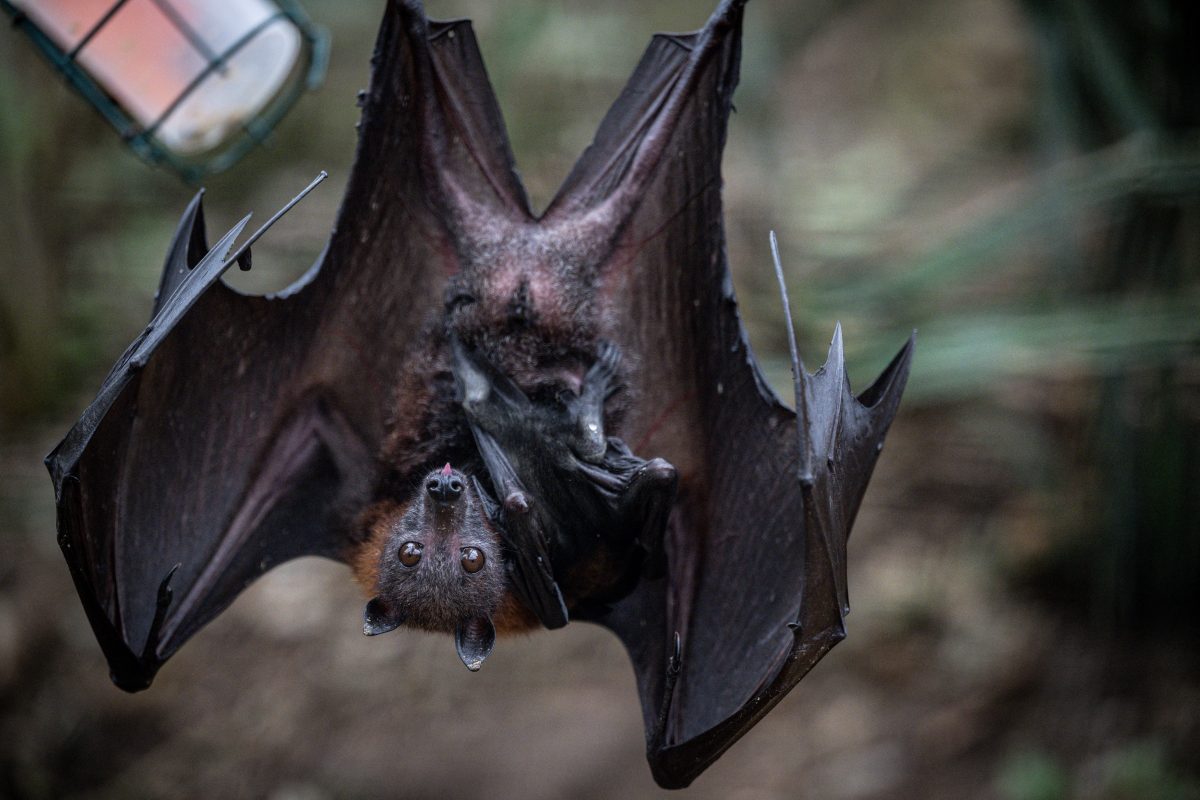
Bats account for the vast majority of confirmed animal rabies cases reported so far. In North Dakota, eight of nine positive animals tested were bats, according to North Dakota State University's laboratory findings. California reported that more than 90% of its confirmed cases through August 31 involved bats.
The pattern is consistent across multiple states. Washington Public Health confirmed a rabid bat in Lewis County, while Cedar Park Police Department reported a positive case near Cedar Park's Recreation Center in Texas.
Florida Bobcat Attack Marks Fourth County Alert in 2026
Florida's Marion County issued its fourth rabies alert this year after officials discovered a rabid bobcat near Rainbow Park. The finding reflects a growing concern about wildlife carrying the virus beyond typical animal vectors.
Earlier 2026 infections in the county involved raccoons, bats, a coyote, a cat, and a fox, Marion County officials said. The variety of infected species underscores that rabies spreads across multiple wildlife and domestic animals locally.
Post-Exposure Treatment Demand Strains Resources in Some States
At least eight state health departments have reported either increased post-exposure prophylaxis use, treatment errors, or both. The surge in demand reflects heightened awareness among residents and healthcare providers about rabies risk following recent animal exposures.
Health officials urge people to wash any bite or scratch immediately and seek medical care without delay. Prompt post-exposure treatment is highly effective at preventing rabies, which becomes almost always fatal once symptoms develop.
How to Avoid Rabies Exposure and Protect Pets
The CDC recommends avoiding contact with wild or stray animals and keeping pets vaccinated and secured indoors or in enclosed yards. Residents should also watch for warning signs in animals, including unprovoked aggression, unusual tameness, staggering, excessive salivation, and paralysis.
Officials advise preventing wildlife access to outdoor pet food and open garbage, which can attract infected animals to residential areas. Prompt action after any animal bite or scratch—even if minor—can be lifesaving.
Sentiment
Mostly NegativeNEGATIVENEUTRALPOSITIVE
Publishers
14
Articles
11
Reach
25
Topics
A
AnonymousAuthor


