Trauma After Charlie Kirk Shooting
Witnesses and journalists reflect on the lasting trauma and conspiracy theories one year after the Charlie Kirk shooting.
Anonymous
Key Points
1
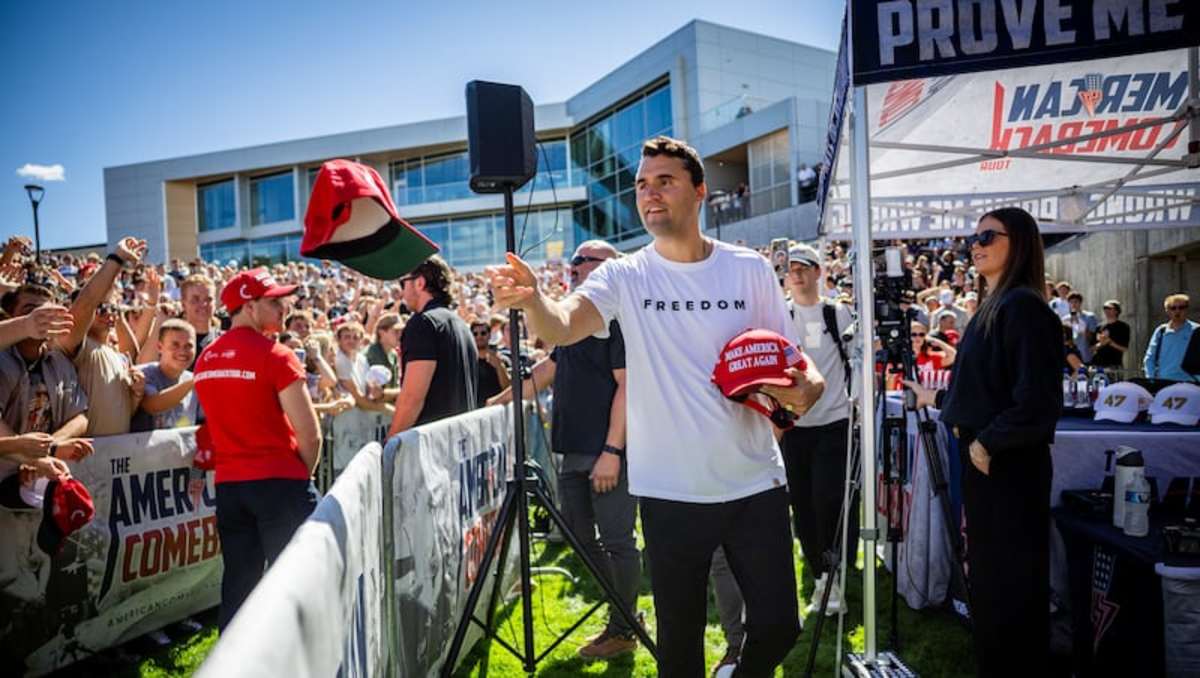
Henry Dells said he had challenged Kirk on religion, arguing that Mormonism was historically more accurate than Protestantism and asking him to “prove me wrong.” Dells said he was grateful their exchange ended with mutual respect before he moved near the stage and witnessed the shooting.
2
Dells recalled initially mistaking the gunshot for a firecracker. Because the crowd was tightly packed, he could not easily leave the area; he realized what had happened only after seeing Kirk’s neck wound and his collapse.
3
Hunter Kozak said he received thousands of hostile messages over the following year, with online commentators calling him a “murderer,” “crisis actor” and “disinformation agent.” Some users allegedly encouraged him to kill himself, while others interpreted footage of his panic and collapse as evidence that he was faking his reaction.
4
Deseret News journalists Emma Pitts and Eva Terry described praying while crouched beneath a desk immediately after the shooting, while reporter Brigham Tomco—who had recently published a profile of Kirk—was the first journalist to confirm that the shooting had been fatal.
5
Political scientist Joseph Uscinski attributed the rapid spread of conspiracy theories partly to the shooting’s national prominence and partly to the fact that Kirk’s audience and similar political-podcast audiences are “themselves very conspiracy-minded.” Early misinformation also spread after two people were briefly taken into custody and released, creating confusion about the suspect.
One year after Charlie Kirk, founder of Turning Point USA, was fatally shot while speaking at Utah Valley University, witnesses and journalists are reckoning with the shooting's lasting impact on debate, faith, and political violence. Daily Mail documented the assassination, while authorities have charged 23-year-old Tyler James Robinson with aggravated murder and six other counts; Robinson has pleaded not guilty, a judge ruled he must stand trial, and prosecutors may seek the death penalty.
The shooting intensified conspiracy theories and online harassment of witnesses. People who questioned Kirk shortly before the attack describe shock and lasting trauma, while fact-checkers documented dozens of unsupported claims involving the shooter, Kirk's organization, his widow, and foreign actors. Fox 10 Phoenix reported on legal developments, while journalists say social-media misinformation can compound real-world violence.
A Religious Debate Turned Deadly
Henry Dells had challenged Kirk on religion moments before the shooting, arguing that Mormonism was historically more accurate than Protestantism. Dells said he asked Kirk to "prove me wrong." Their exchange ended with mutual respect before Dells moved near the stage.
When the gunshot rang out, Dells initially mistook it for a firecracker. The crowd was tightly packed, so he couldn't easily leave. He realized what had happened only after seeing Kirk's neck wound and his collapse. Dells said he was grateful their debate had ended respectfully.
Witnesses Targeted by Conspiracy Accusations
Hunter Kozak, who had also questioned Kirk, received thousands of hostile messages over the following year. Online commentators called him a "murderer," "crisis actor," and "disinformation agent." Some users encouraged him to kill himself. Others interpreted footage of his panic and collapse as proof he was faking his reaction.
Kozak's harassment exemplifies how networked communities can turn investigation into collective persecution. Ordinary bystanders became targets of sustained threats and reputational attacks, adding prolonged psychological harm to the trauma of witnessing violence. No credible evidence supported any accusations against him.
Journalists on the Scene Describe Shock and Responsibility
Deseret News journalists Emma Pitts and Eva Terry were praying while crouched beneath a desk immediately after the shooting. Reporter Brigham Tomco, who had recently published a profile of Kirk, was the first journalist to confirm that the shooting was fatal. Their accounts document the immediate trauma of being present at a political assassination.
Journalists and witnesses emphasized that careful, evidence-based reporting remains essential in the aftermath of violence. Social-media dehumanization, isolation, and misinformation can compound real-world harm. The episode illustrates why credible news outlets must separate verification from speculation and protect witnesses from harassment.
Why Conspiracy Theories Spread So Fast
Political scientist Joseph Uscinski attributes the rapid spread of conspiracy theories to Kirk's national prominence and to the fact that his audience is "themselves very conspiracy-minded." Early misinformation spread after two people were briefly taken into custody and released, creating confusion about the actual suspect. Utah Politics and KSDK covered the investigation's progress one year later.
Researchers describe conspiracy theories as especially attractive after major, ambiguous events because they offer simple explanations and assign intentional responsibility before evidence is available. An initial information vacuum, intense national attention, emotionally charged political identities, and rapid social-media amplification created conditions in which speculation outran verification. The episode shows why transparency from authorities and restraint in public language matter.
Sentiment
Mostly NegativeNEGATIVENEUTRALPOSITIVE
Publishers
15
Articles
35
Reach
50
Topics
A
AnonymousAuthor


