U.S. Clears Potential $2.7 Billion Ukraine Air Defense Sale
U.S. Clears Potential $2.7 Billion Ukraine Air Defense Sale
Anonymous
Key Points
1
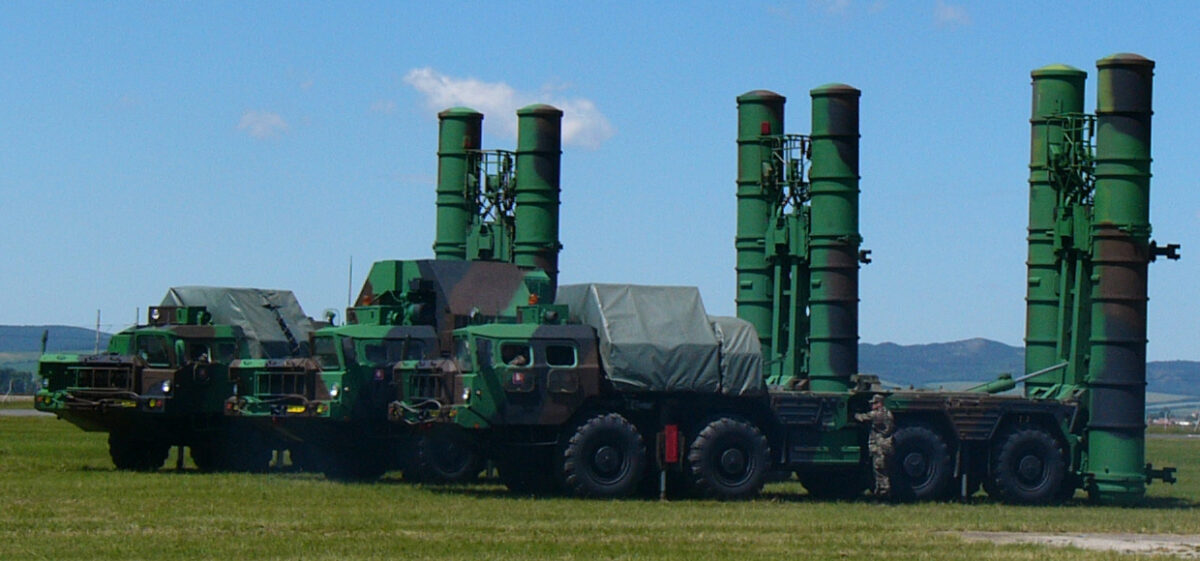
The requested package specifically includes S-300 clone missiles, GAM-67 missiles, range-extended air-defense laser-guided rocket systems, ITEL 1.5 units and mobile-launching-system modification kits—equipment details not specified in the summary.
2
The sale also includes RPS 202 counter-unmanned-aircraft-system radars, erectable mast trailers, repair-and-return pipelines, specialized software, technical publications and consumable supplies.
3
The State Department described the items as “non-major” defense equipment, while the notification says the proposed sale is not expected to alter the basic military balance in the region.
4
The Foreign Military Financing involved is grant assistance that enables countries to purchase U.S.-produced weapons and defense equipment; the funds would be counted as a U.S. capital contribution to the Ukraine Reconstruction Investment Fund through a 1:1 reimbursement.
5
The proposal comes amid broader U.S. pressure on Russia: President Donald Trump signed a Russia-sanctions bill earlier that day, while he has also urged European countries to reimburse the United States for military aid and ammunition previously sent to Ukraine.
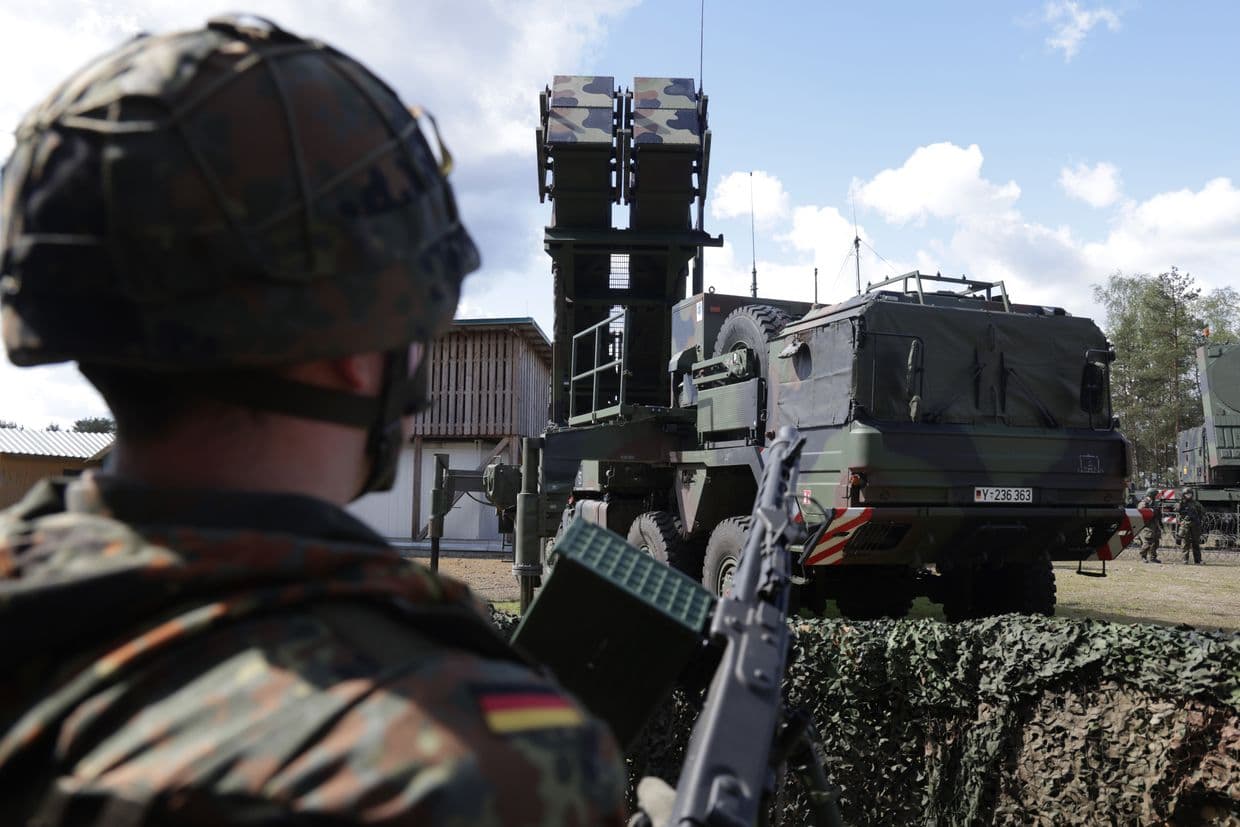
The U.S. State Department approved a potential $2.68 billion air-defense sale to Ukraine on Wednesday, aimed at strengthening its defenses against Russian aerial attacks UPI. The package includes S-300 and GAM-67 missiles, laser-guided rocket systems, counter-drone radars, and maintenance support Daily Excelsior. The deal requires congressional review but would be financed through European contributions and U.S. Foreign Military Financing appropriated during the previous administration Eurasian Times.
What Ukraine Gets in the Air-Defense Package
The sale bundles multiple weapon systems and support services to shield Ukraine's skies. UPI reports the equipment includes S-300 clone missiles, GAM-67 missiles, and range-extended laser-guided rocket systems. The package also covers counter-unmanned-aircraft-system radars, launcher modification kits, spare parts, and specialized software. Maintenance support and technical publications are included to help Ukraine operate the systems without needing additional U.S. personnel on the ground.
How the Complex Financing Arrangement Works
The $2.68 billion purchase blends European money and American grant funds in an unusual structure. Eurasian Times explains the deal uses Foreign Military Financing (FMF)—grant assistance letting countries buy U.S. weapons. U.S. funds flow into the Ukraine Reconstruction Investment Fund via one-to-one reimbursement. European countries cover part of the cost directly. This approach spreads the financial burden while leveraging previous U.S. appropriations dedicated to Ukraine aid.
Pentagon Says Sale Won't Strain U.S. Military Strength
The State Department classified the equipment as "non-major" defense items and stated the sale would not hurt U.S. defense readiness or tip the regional military balance Daily Excelsior. Officials said Ukraine can integrate the systems without extra American military advisors. The Pentagon assessed the proposed sale aligns with U.S. security interests in the region. This approval comes as Russia continues escalating drone and missile strikes on Ukrainian cities and infrastructure.
Trump Pushes Both Sanctions and Aid Burden Shift
On the same day as the air-defense approval, President Trump signed a Russia-sanctions bill targeting Moscow's economy Inshorts. Trump has simultaneously urged European allies to reimburse the U.S. for military aid and ammunition previously sent to Ukraine. The dual approach—strengthening Ukraine's defenses while pressuring Europe for cost-sharing—reflects the administration's strategy of maintaining anti-Russia efforts while redistributing fiscal responsibility away from Washington.
Sentiment
Mostly NegativeNEGATIVENEUTRALPOSITIVE
Publishers
16
Articles
26
Reach
42
A
AnonymousAuthor