Rushdie Terrorism Verdict
Hadi Matar Convicted of Federal Terrorism Charges in Salman Rushdie Stabbing Case
Anonymous
Key Points
1
Prosecutors presented New Jersey–based evidence tying Matar to Hezbollah, including photographs found on his computer and in his bedroom, along with electronic messages in which he said he intended to kill Rushdie and framed the act as part of a jihad for Hezbollah.
2
Rushdie testified about the attack, describing the on-stage moment and lasting injuries, including removing the lens from his damaged eye to show jurors the impact of the stabbing.
3
Matar is a U.S.-born individual with Lebanese citizenship who reportedly studied the 1989 Iranian fatwa against Rushdie for more than a year before the attack.
4
The stabbing occurred on August 12, 2022 at the Chautauqua Institution in Mayville, New York, and a second man was wounded as bystanders restrained Matar.
5
A Buffalo federal jury deliberated for about two hours before convicting Matar on all counts.
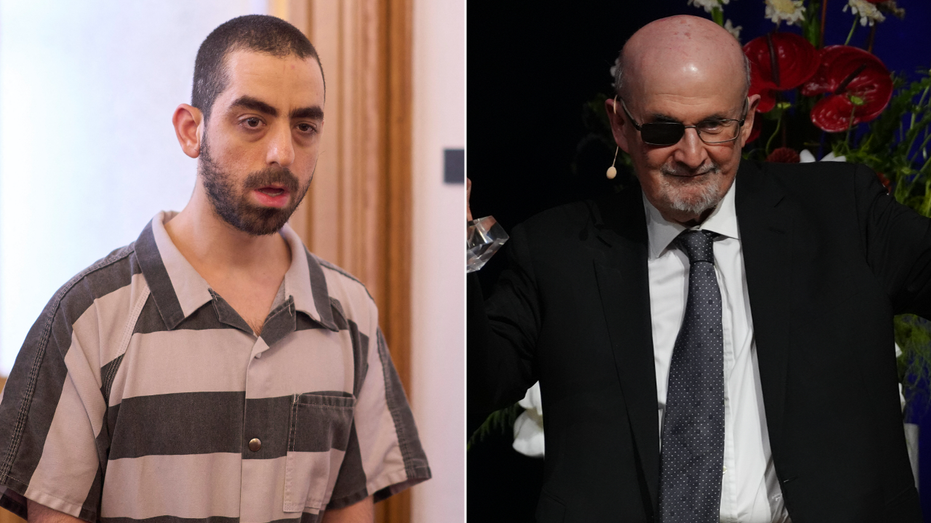
A federal jury in Buffalo convicted Hadi Matar of terrorism charges on Friday, finding he stabbed author Salman Rushdie in 2022 as an act of jihad for Hezbollah, the Iran-backed militant group. The jury deliberated for just two hours before convicting him on all three counts, according to USA Today. Matar now faces a potential life sentence on top of the 25-year state prison term he is already serving for attempted murder.
The attack happened on August 12, 2022, at the Chautauqua Institution in Mayville, New York, where Rushdie was on stage for a speaking event. A second man was also wounded before bystanders tackled Matar. Rushdie, who has faced death threats for decades over his novel The Satanic Verses, lost the use of one eye and suffered severe nerve damage in the assault.
Jury Finds Matar Acted on Behalf of Hezbollah
Prosecutors argued Matar carried out the attack to fulfill a 1989 fatwa — a religious order calling for Rushdie's death — issued by Iran's government. Federal charges included providing material support to Hezbollah and engaging in terrorism that crossed national borders, according to Fox News. Both charges go beyond the state conviction and treat the stabbing as part of a broader international terror network.
Evidence presented at trial included photographs of Hezbollah leaders and symbols found on Matar's computer and in his bedroom in New Jersey. Prosecutors also showed electronic messages in which Matar said he planned to kill Rushdie and described it as a jihad. Daily Mail reported he had studied the fatwa for more than a year before the attack.
Rushdie Testified and Showed Jurors His Damaged Eye
Rushdie took the stand at the federal trial and described the moment he was stabbed on stage. He also removed the lens from his damaged eye to show jurors the lasting physical harm, according to USA Today. The testimony was a rare and striking move — a victim putting his own body forward as evidence of the crime.
Rushdie told the court he suffered permanent vision loss in one eye and severe nerve damage across his body. The attack left him with injuries that will never fully heal. He has spoken publicly since the assault but rarely in detail about the physical toll it took.
Who Is Hadi Matar — and What Drove Him
Matar is a U.S.-born man with Lebanese citizenship who grew up in New Jersey. He was 24 years old at the time of the attack. According to Fox News, he spent more than a year studying the Iranian fatwa against Rushdie before acting on it. There is no evidence he ever traveled to Lebanon or received direct orders from Hezbollah leadership.
Still, prosecutors argued the intent was clear. His messages showed he saw himself as a soldier for Hezbollah. The case raised hard questions about how extremist ideology — spread online — can radicalize someone in the U.S. who has never set foot in a war zone.
What Comes Next: A Potential Life Sentence in November
Matar's federal sentencing is scheduled for November 3. The terrorism conviction carries a potential life sentence, according to USA Today. He is already serving 25 years from his New York state conviction. Federal and state sentences can run at the same time or back-to-back — a decision the judge will weigh at sentencing.
The case is being watched as a test of how the U.S. legal system handles lone attackers who act in the name of foreign terror groups. Matar had no proven direct link to Hezbollah command, but prosecutors showed he sought to serve the group. The verdict signals that intent and ideology alone can be enough to support a terrorism charge.
Sentiment
Mostly NegativeNEGATIVENEUTRALPOSITIVE
Publishers
38
Articles
183
Reach
221
A
AnonymousAuthor


