Netflix Child Data Lawsuit
Florida Attorney General Sues Netflix Over Alleged Child Data Tracking And Deceptive Practices
Anonymous
Key Points
1
The lawsuit was filed in Florida’s 7th Judicial Circuit in St. Johns County and alleges violations of both the Florida Deceptive and Unfair Trade Practices Act and the Florida Digital Bill of Rights.
2
The complaint cites Netflix’s public assurances that it did not collect user data and offered a “safe respite” from advertising, contrasting those statements with allegations that the company recorded whether users paused, rewound, searched, skipped or abandoned content.
3
The state specifically challenges Netflix’s marketing of children’s profiles as a child’s “own space” that is “Great for kids,” as well as its statement that it does not engage in behavioral advertising on Kids profiles; prosecutors allege Netflix nevertheless analyzed children’s viewing behavior through the same systems used for adults.
4
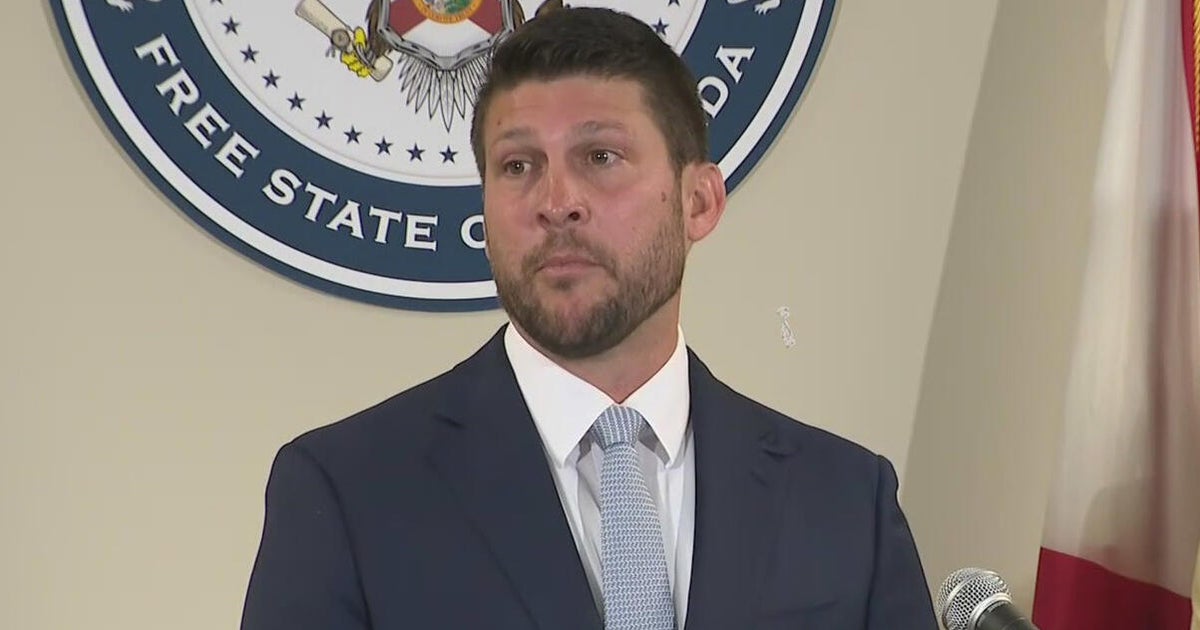
Uthmeier said complaints from parents prompted his office’s investigation, telling reporters that companies monitoring “every single click and scroll and swipe” must clearly disclose that behavioral monitoring and related reactions are taking place.
5
The complaint was accompanied by child-safety concerns from Amanda Altman, CEO of the children’s advocacy center Christy’s House, who said she sees children affected by exposure to sexual or violent content and by online bullying.
Florida Attorney General James Uthmeier sued Netflix, alleging the company deceived families by promising a surveillance-free service while secretly collecting billions of behavioral events from children's profiles, including clicks, searches, pauses and viewing patterns Miami Herald. The state claims Netflix later weaponized this data to launch an advertising business in 2022, directly contradicting its public promises of a safe, ad-free experience Florida Politics. Florida is seeking billions in damages, permanent injunctions and deletion of all improperly collected data.
The lawsuit targets Netflix's marketing of children's profiles as a child's "own space" that is "great for kids," while the company allegedly analyzed those profiles through the same behavioral-tracking systems used on adult accounts CBS News. Attorney General Uthmeier told reporters that companies monitoring "every single click and scroll and swipe" must clearly disclose that surveillance is happening Orlando Weekly.
Netflix's Two-Faced Marketing Shattered Trust
Netflix told families it offered a "safe respite" from advertising and did not collect user data. The complaint alleges this was false. The company recorded whether users paused, rewound, searched, skipped or abandoned content on every account Florida Politics. Netflix even promised that children's profiles would not be subjected to behavioral advertising, then analyzed children's viewing choices through identical systems used for adults.
Parent complaints prompted the investigation. Uthmeier said his office discovered that Netflix had been monetizing this hidden data collection all along. The contradiction—marketing paid subscriptions as surveillance-free while building an advertising machine—sits at the heart of Florida's deceptive trade practice claim Local 10.
The Shift to Advertising Exposed the Original Deception
Netflix launched an ad-supported tier in 2022. That pivot made clear that the company had been collecting behavioral data all along—data now feeding its targeting and advertising machinery. The state argues Netflix marketed paid tiers as escapes from both ads and surveillance, but secretly gathered the same tracking information regardless.
This timeline matters legally. Florida is framing the case as deceptive trade practice, not ordinary data collection. By promoting privacy while simultaneously building an advertising business on hidden behavioral profiles, Netflix allegedly violated both the Florida Deceptive and Unfair Trade Practices Act and the Florida Digital Bill of Rights Miami Herald.
Children Exposed to Addictive Design and Inappropriate Content
The lawsuit alleges Netflix designed features to keep children engaged, potentially creating addictive viewing patterns. Amanda Altman, CEO of children's advocacy center Christy's House, said her organization sees children harmed by exposure to sexual and violent content on streaming platforms CBS News. Netflix's behavioral tracking enabled algorithms that could push more extreme content to young users.
Florida is seeking far more than privacy remedies. The state wants permanent changes to Netflix's platform design, deletion of data collected without consent, and billions in civil penalties and damages Local 10. If the case succeeds, streaming services may need narrower data practices, stronger parental controls and clearer disclosures about behavioral monitoring—not just promises to avoid targeted ads.
A Broader Crackdown on Tech Giant Accountability
Uthmeier's lawsuit is part of a statewide campaign against technology companies over alleged harms to children. This legal strategy lets Florida pursue immediate remedies under existing consumer-protection law while broader federal regulation remains stuck in gridlock Orlando Weekly. The state views platform design, data collection and monetization practices as connected threats to children's safety—not isolated violations.
Netflix has not publicly responded to the complaint. The lawsuit was filed in Florida's 7th Judicial Circuit in St. Johns County. As tech companies face mounting scrutiny over data practices and child safety, this case could reshape what streaming services must disclose about behavioral monitoring and how they handle children's profiles Florida Politics.
Sentiment
Mostly NegativeNEGATIVENEUTRALPOSITIVE
Publishers
32
Articles
68
Reach
100
A
AnonymousAuthor


