Black Art Icon Passes
Pioneering Artist Betye Saar, Central to Black Art Movement, Dies at 99
Anonymous
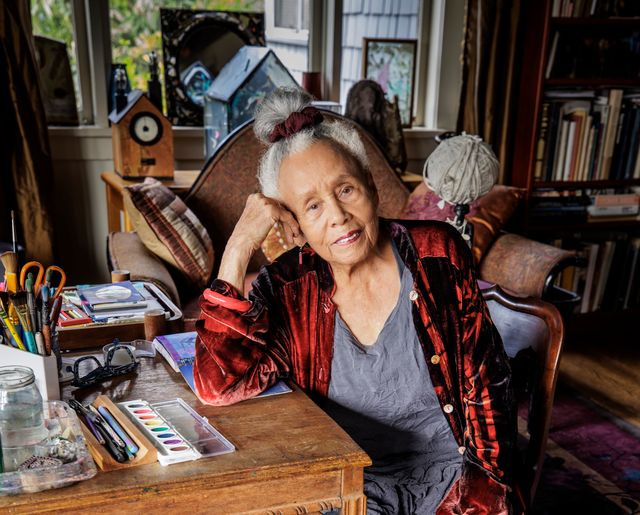
Betye Saar, a pioneering artist whose work turned Jim Crow-era racist objects into symbols of Black liberation, has died at 99 in Los Angeles, according to AJC. Her death was confirmed by relatives.
Saar was a central figure in the 1960s Black Art Movement. For decades, she used found objects and discarded memorabilia to explore Black identity, culture, and spirituality. Her death marks the loss of one of American art's most influential voices.
How Saar Turned Racist Objects Into Powerful Art
Saar pioneered a style called assemblage — sculptures built from found objects. She gathered Jim Crow-era memorabilia: figurines, postcards, and household items that mocked Black people. Then she reclaimed them. She turned symbols of hatred into statements of Black power and dignity, according to Brandon Sun.
Her most famous work, "The Liberation of Aunt Jemima" (1972), placed a shotgun and a raised fist in the hands of the familiar mammy figure. It became an iconic image of the Black feminist art movement. The piece showed that racist imagery could be flipped into a call for freedom.
A Central Voice in the 1960s Black Art Movement
Saar rose to prominence during the 1960s, a time of sweeping civil rights struggle and cultural awakening. The Black Art Movement sought to create work that spoke directly to Black experiences and communities. Saar was at its center, according to Airdrie City View.
She also wove spirituality into her art. Her pieces drew on African traditions, astrology, and mysticism. This gave her work a layered meaning — political on the surface, deeply personal underneath. She was not just making protest art. She was building a visual language.
A Life Spent Making Art Into a Tool for Change
Saar was born in Los Angeles in 1926. She studied design at UCLA and began her career as a printmaker. She turned to assemblage in the late 1960s after the assassination of Dr. Martin Luther King Jr. That moment pushed her art in a sharper, more political direction, according to AJC.
Over a career spanning more than five decades, her work entered major museum collections across the country. She received the National Medal of Arts in 2014. She kept working well into her 90s. She died at 99, still celebrated as a trailblazer for Black artists and women in art.
Sentiment
NeutralNEGATIVENEUTRALPOSITIVE
Publishers
5
Articles
5
Reach
5
Topics
A
AnonymousAuthor