Strait of Hormuz Conflict
U.S. and Iran Exchange Escalating Attacks on Vessels in Strait of Hormuz
Anonymous
Key Points
1
Kpler data showed that only one commodity vessel crossed the Strait of Hormuz on Saturday, underscoring the immediate impact of the confrontation on commercial shipping.
2
Iranian parliamentary speaker Mohammad Bagher Ghalibaf warned that the country would no longer provide “proportionate responses,” saying future attacks on Iran’s interests would receive “a faster, heavier and more painful response.”
3
The IRGC said it had also attacked a U.S. naval drone and an American military unmanned surface vessel that were attempting to enter the Strait of Hormuz, although the claims lacked immediate independent corroboration.
4
CENTCOM Commander Adm. Brad Cooper said the strikes were intended to impose “an even higher economic cost,” adding that the United States would destroy Iran’s “limited and exposed oil fleet” if necessary.
5
CENTCOM alleged that the three tankers belonged to a “multibillion-dollar shadow network” financing Iran’s Revolutionary Guard and its regional proxies, while the release of strike footage prompted criticism that the attacks could be aggressive or unlawful.
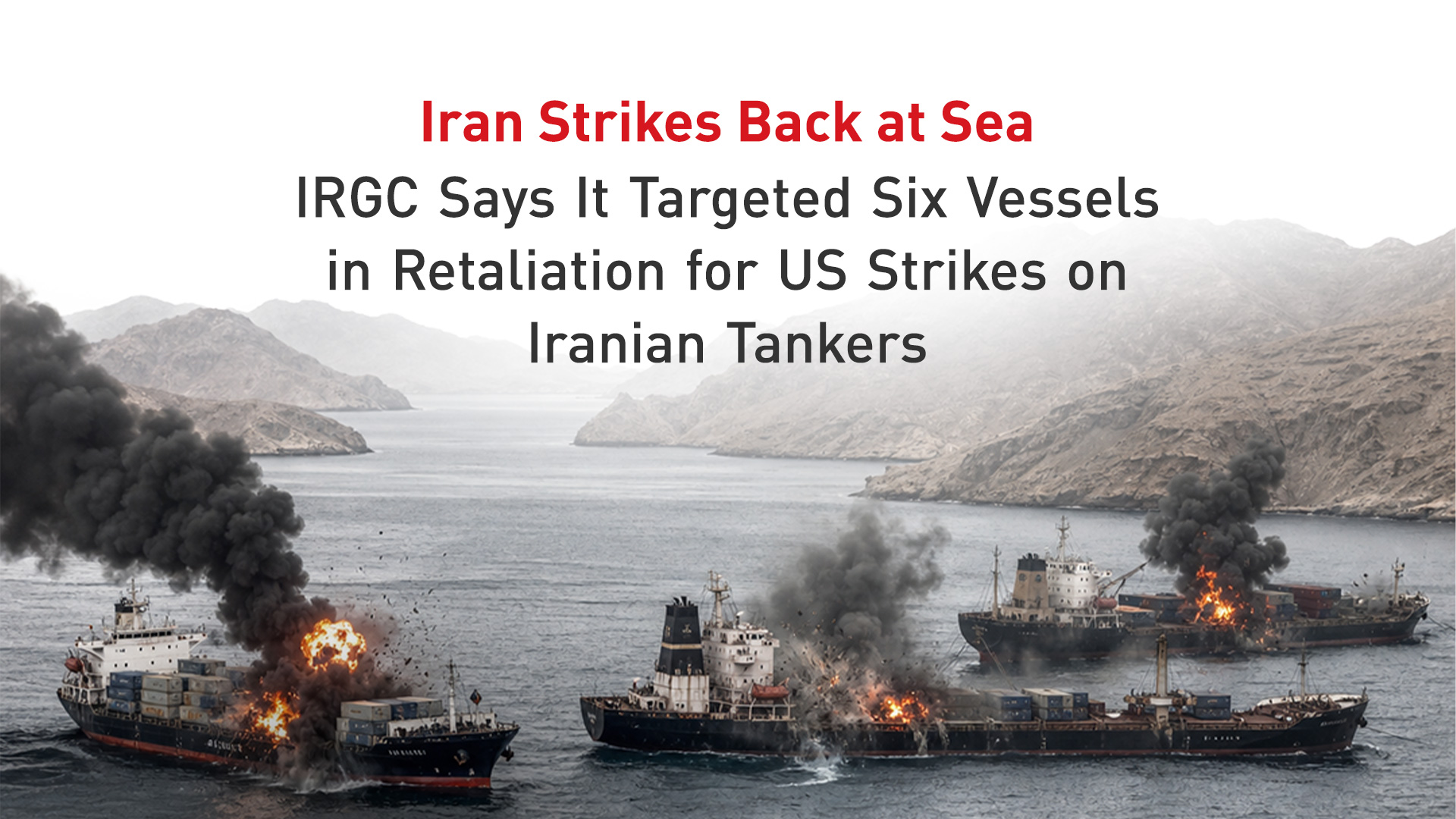
The United States and Iran escalated their conflict to commercial shipping, with American forces striking three Iranian crude tankers after Iran allegedly fired ballistic missiles at two U.S. Navy ships. Regional News reported that one vessel, the Comoros-flagged M/T Kylo, sank after its crew abandoned it, while two others were disabled. The confrontation has already choked off shipping through the Strait of Hormuz, a critical corridor for global energy supplies.
Iran's Revolutionary Guard claimed it targeted three tankers and U.S.-linked vessels in response, though independent confirmation remains lacking. Regional News noted that only one commodity vessel crossed the Strait of Hormuz on Saturday, illustrating the immediate toll on commerce. Iranian officials warned that future responses would be faster and heavier than before.
U.S. Strikes Iranian Oil Tankers in Shadow Network
The U.S. military targeted three Iranian crude tankers it said were part of a multibillion-dollar smuggling network financing Iran's Revolutionary Guard and regional proxies. Regional News reported that CENTCOM released video footage showing the M/T Kylo sinking. CENTCOM Commander Adm. Brad Cooper said the strikes aimed to impose an even higher economic cost on Iran's oil operations.
Admiral Cooper warned that the United States would destroy Iran's limited and exposed oil fleet if necessary. The strikes came after Iran allegedly fired ballistic missiles at two U.S. Navy destroyers in the region, though Washington said the ships sustained no damage from the attack.
Iran Vows Faster, Harsher Retaliation in Future
Mohammad Bagher Ghalibaf, Iran's parliamentary speaker, declared that his country would no longer offer proportionate responses to American strikes. Regional News reported that Ghalibaf said Iran would deliver faster, heavier, and more painful retaliation if its interests came under attack again. The statement signals a shift toward escalation and reduced restraint in the confrontation.
The Revolutionary Guard also claimed it had attacked a U.S. naval drone and an American unmanned surface vessel attempting to enter the Strait of Hormuz, though the claims lacked independent verification at the time of reporting.
Strait of Hormuz Shipping Collapses Amid Attacks
The exchange of strikes between the U.S. and Iran has severely disrupted one of the world's most critical energy corridors. Regional News reported that shipping data showed only one commodity vessel crossed the Strait of Hormuz on Saturday. This collapse in traffic threatens global energy prices, insurance costs, and supply chain reliability if the confrontation persists.
The strait connects the Persian Gulf to the Gulf of Oman and handles a large share of international crude oil shipments. The near-total halt in traffic signals that commercial interests have already fled the region. Prolonged disruption could ripple through energy markets worldwide and force shipping companies to reroute vessels at higher cost and risk.
Legal and Strategic Questions About Tanker Strikes
The public release of strike footage and escalatory rhetoric have drawn criticism over the legality and wisdom of attacking commercial vessels. Regional News reported that critics questioned whether hitting oil tankers crossed international legal boundaries or justified larger Iranian responses. The U.S. framed the operation as targeting a smuggling network, but the targeting of commercial shipping raises diplomatic and legal concerns.
By publicizing the strikes, U.S. commanders signaled intent to impose economic punishment rather than a narrowly focused defense. This messaging strengthens domestic credibility but reduces room for quiet de-escalation. Iran now faces pressure to demonstrate it can impose costs in return, potentially making future negotiations harder even as both sides face mounting economic and military risks.
Sentiment
Mostly NegativeNEGATIVENEUTRALPOSITIVE
Publishers
23
Articles
38
Reach
61
A
AnonymousAuthor