New Zealand Construction Recovery
New Zealand Residential Construction Activity Rises 4.4% Following Prolonged Downturn
Anonymous
Key Points
1
The Silbury House refurbishment sent zero waste to landfill and retained or improved existing raised access floor panels, doors, windows, ironmongery and gates, preserving embodied carbon.
2
The design-management article says design tasks such as establishing intent, developing technical solutions, coordinating interfaces, reviewing information and approving construction information can be allocated to different parties; these tasks do not necessarily transfer together.
3
The New Zealand residential construction downturn had lasted nearly five years, during which residential construction volumes fell by about a quarter; Canterbury led the estimated regional breakdown of the latest activity gains.
4
The New Zealand outlook article says its forecast for the recovery is weaker than the Reserve Bank of New Zealand’s, and warns that higher global fuel and petrochemical prices and a falling New Zealand dollar could add pressure to construction costs.
5
The sustainable-construction article estimates that the construction industry accounts for 36% of global energy use and CO2 emissions, underscoring the potential scale of environmental gains from more sustainable practices.
New Zealand's residential construction activity jumped 4.4% in the second quarter, marking the first significant gain after nearly five years of decline Construction Management. The recovery comes as the sector grapples with rising construction costs and weak house prices that threaten to limit further growth. While building consents and firm intentions offer modest near-term support, forecasters expect only a slow rebound from the downturn that cut residential volumes by roughly one-quarter.
A Five-Year Downturn Finally Shows Signs of Easing
New Zealand's residential construction had contracted steadily since the late 2010s, with volumes dropping about 25% over nearly five years Construction Management. The second quarter's 4.4% increase signals a potential turning point, though it remains modest. Canterbury led the regional breakdown of gains, showing concentrated recovery rather than broad-based improvement across the country.
Cost Pressures and Weak Prices Threaten Sustained Growth
Despite the quarterly improvement, forecasters warn recovery will remain sluggish. Construction Management notes that higher global fuel and petrochemical prices, combined with a falling New Zealand dollar, could push construction costs higher just as demand stabilizes. Soft house prices offer little incentive for developers to accelerate projects, creating a headwind for sustained momentum in coming quarters.
Sustainable Practices Gain Ground in Commercial Refurbishment
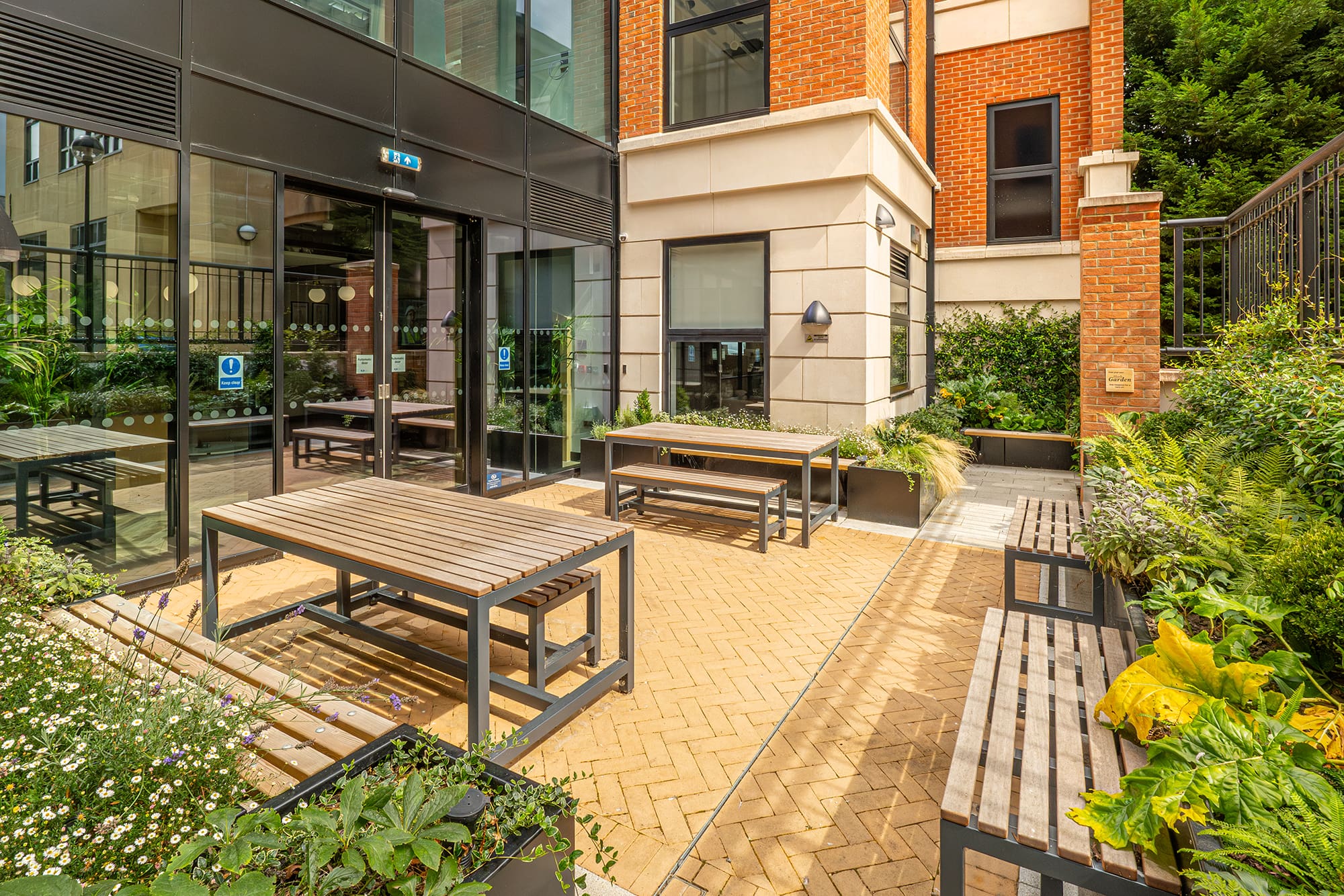
As residential activity recovers, the broader construction sector increasingly embraces sustainability. All Things Business highlights Silbury House in Milton Keynes as a model: the refurbishment sent zero waste to landfill and preserved embodied carbon by retaining and upgrading existing components like flooring panels, doors, and windows. New solar panels, efficient lighting, and advanced heating and cooling systems further reduced environmental impact.
The construction industry accounts for 36% of global energy use and CO2 emissions Construction Management, underscoring the scale of potential gains from sustainable practices. Design responsibility for these efforts is shared: consultants, contractors, specialists, and manufacturers each remain accountable for their allocated duties rather than responsibility automatically shifting between parties.
Building Consents Offer Cautious Optimism for Near Term
Recent building consents and stated firm intentions provide some support for the outlook over the next few months Construction Management. However, these forward indicators remain below pre-downturn levels, and weakness in underlying demand may limit how quickly they translate into actual construction starts. The sector's recovery remains fragile, dependent on stabilizing costs and house prices.
Sentiment
Mostly PositiveNEGATIVENEUTRALPOSITIVE
Publishers
19
Articles
1
Reach
20
A
AnonymousAuthor


