Lethal Caribbean Boat Strike
U.S. Military Strike on Caribbean Drug Boat Kills Three Amid Legal Scrutiny
Anonymous
Key Points
1
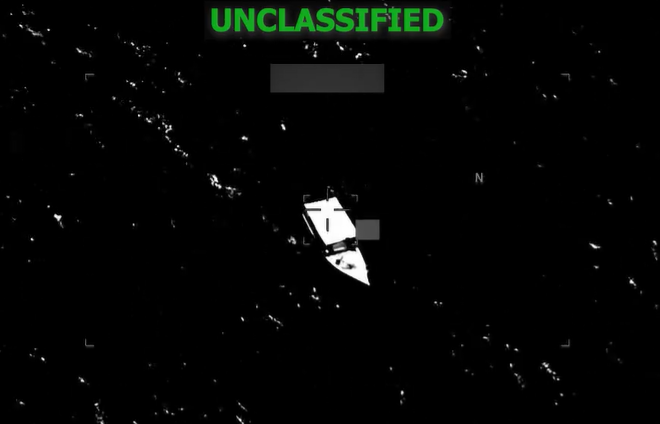
The strike was carried out by the Western Hemisphere Joint Task Force under SOUTHCOM’s direction, which described the operation as a “lethal kinetic strike” against a “go-fast vessel.”
2
The reported campaign began with a September 2025 strike off Venezuela in which Washington said 11 people were killed; subsequent attacks have fueled debate over why suspected traffickers were not intercepted and arrested instead.
3
More than 220 people have reportedly been killed in U.S. strikes against suspected drug-trafficking vessels in the Caribbean and eastern Pacific since September 2025.
4
Human Rights Watch, Amnesty International and independent U.N. experts have described the strikes as unlawful extrajudicial killings, while the American Civil Liberties Union said the administration’s claims about those targeted were unsubstantiated and intended to intimidate.
U.S. forces killed three people in a speedboat strike in the Caribbean Sea on September 9, according to U.S. Southern Command. The military said the vessel was traveling known drug-trafficking routes and carrying narcotics, but released no evidence of cargo, victim identities, or boat ownership. The operation marks another in a series of lethal strikes targeting suspected drug traffickers since September 2025.
The campaign has drawn sharp criticism from human rights groups. Human Rights Watch, Amnesty International, and independent U.N. experts have called the strikes unlawful extrajudicial killings. More than 220 people have been killed in these operations across the Caribbean and eastern Pacific, raising questions about why suspected traffickers are not arrested instead.
Inside the September 9 Strike
The Western Hemisphere Joint Task Force, operating under U.S. Southern Command, executed what officials called a 'lethal kinetic strike' on a 'go-fast vessel' in the Caribbean, according to military reports. The speedboat was said to be actively transporting drugs along established trafficking corridors. No details emerged about the three victims, their nationalities, or whether any cargo was recovered from the wreckage.
Campaign Started With 11 Deaths in Venezuela
The U.S. strike campaign began in September 2025 with an operation off Venezuela's coast, where Washington claimed 11 people were killed. Truthout reported that the military provided no evidence supporting its claims about the targets. The escalating death toll—now exceeding 220 across multiple operations—has intensified debate over whether suspected traffickers should face arrest and prosecution instead of being killed without trial.
Human Rights Groups Call Strikes Unlawful Killings
Human Rights Watch, Amnesty International, and independent U.N. experts have challenged the strikes' legality, characterizing them as possible extrajudicial killings. The American Civil Liberties Union stated that the administration's claims about targets were unsubstantiated and designed to intimidate. Critics argue that U.S. forces should detain and prosecute suspects under existing international law rather than conduct deadly strikes without judicial review.
Secretary of State Defends the Operations
During a visit to Ecuador, Secretary of State Marco Rubio defended the controversial strikes, arguing that Latin American cartels would 'eat these countries alive' without aggressive U.S. action. Rubio framed the operations as necessary to protect regional allies from narcotrafficking violence. The defense marks a significant shift in how the U.S. justifies lethal action against suspected traffickers without traditional arrest and prosecution procedures.
Sentiment
Mostly NegativeNEGATIVENEUTRALPOSITIVE
Publishers
15
Articles
32
Reach
47
A
AnonymousAuthor


