Korean Oil Cartel Indicted
South Korean Oil Giants Indicted for Trillion-Won Price-Fixing Scheme, Evidence Destruction Alleged
Anonymous
Key Points
1
Prosecutors allege the price-information exchanges and coordinated price increases occurred from July 2024 to February this year, with A identified as the central figure who led the agreement; an arrest warrant for A was issued on June 19, resulting in detention.
2
The investigation covers January 2021 through June this year, with HD Hyundai Oilbank and SK Energy accused of sharing pricing information, and with B (senior manager), C (legal affairs head), and D (GS Caltex domestic sales head) named in indictments.
3
C is accused of knowing in advance about an on-site Korea Fair Trade Commission inspection in March and ordering deletion of internal pricing documents, while D is accused of learning about the inspection and deleting an internal messaging channel used to share pricing materials.
4
In total, eight people have been indicted: four corporations and four individuals, in connection with the price-manipulation case involving HD Hyundai Oilbank, SK Energy, GS Caltex, and S-Oil.
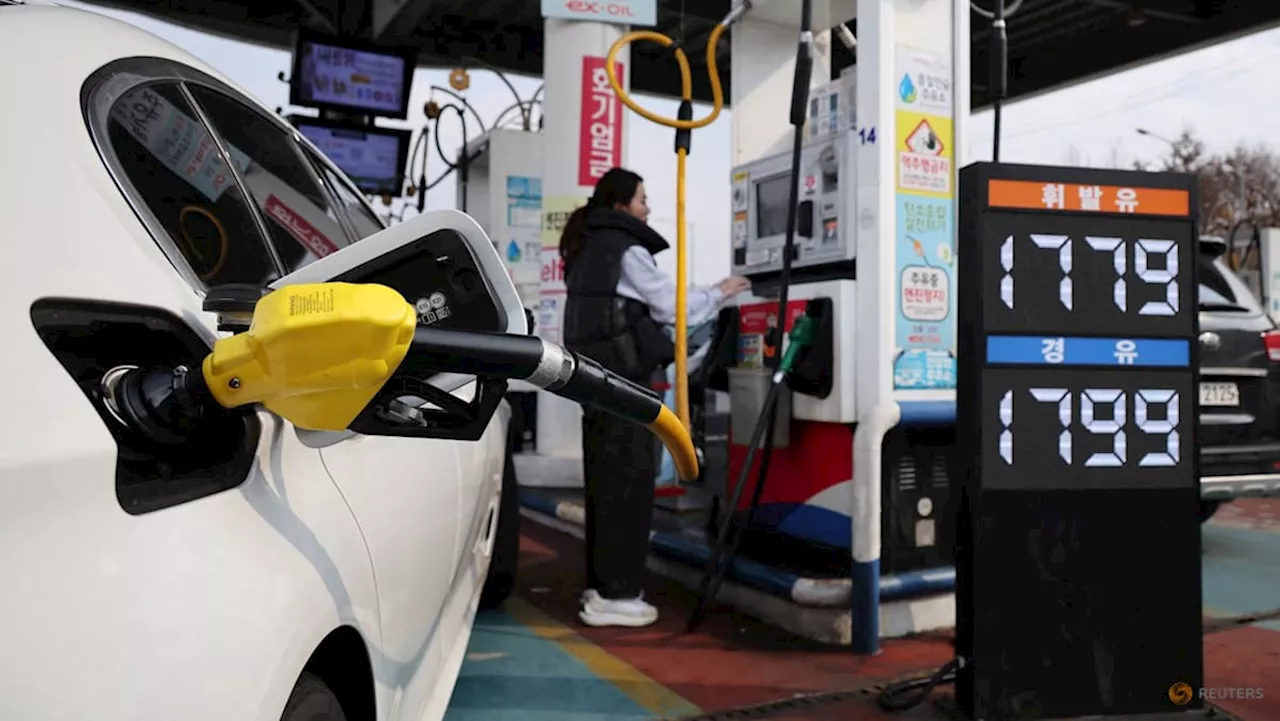
South Korea has indicted four of its biggest oil companies — HD Hyundai Oilbank, SK Energy, GS Caltex, and S-Oil — on charges of fixing fuel prices, according to Korea Herald. Prosecutors say the companies colluded to drive up petroleum prices after the US-Iran war broke out, causing an estimated 26 trillion won (about $19 billion) in harm to consumers and the broader market.
The Seoul Central District Prosecutors' Office also indicted four individuals tied to the scheme, SE Daily reported. In total, eight parties — four corporations and four people — now face charges in what prosecutors call one of the largest price-fixing cases in South Korean history.
How Four Companies Fixed 98% of the Market
The four refiners together control about 98.6% of South Korea's domestic refining market, according to Korea Herald. Prosecutors say they used that dominance to impose exclusive contracts on gas stations, dictate pump prices, and penalize stations that bought fuel from rivals. The direct scale of the collusion reached about 14.2 trillion won. When price-following by the broader market is included, the total anti-competitive impact climbs to roughly 26 trillion won.
Investigators also noted that the four companies had stockpiled large amounts of crude oil before the price spike, Head Topics reported. That stockpiling made the sudden price hikes unjustified, prosecutors argue — the companies had plenty of supply but raised prices anyway to boost profits.
Pricing Meetings and a Central Ringleader Named
The alleged coordination ran from July 2024 through February of this year, according to Korea Herald. HD Hyundai Oilbank's pricing division head — identified only as A — is accused of leading the agreement. An arrest warrant for A was issued on June 19, and A remains in detention. HD Hyundai Oilbank and SK Energy are also accused of directly sharing pricing information with each other during the broader investigation period, which spans January 2021 through June this year.
Three other individuals were also indicted alongside A. A senior manager identified as B and a legal affairs chief identified as C were charged in connection with HD Hyundai Oilbank. GS Caltex's domestic sales head, identified as D, was also indicted, SE Daily reported.
Executives Deleted Evidence Before Regulators Arrived
Two of the four individuals face additional charges for destroying evidence. C, the legal affairs chief at HD Hyundai Oilbank, allegedly learned in advance about a Korea Fair Trade Commission inspection in March. C then ordered the deletion of internal pricing documents before investigators arrived, according to Korea Herald.
D, the GS Caltex domestic sales head, allegedly took similar steps. After learning about the same inspection, D deleted an internal messaging channel that the companies used to share pricing materials, SE Daily reported. Prosecutors view the evidence destruction as a serious aggravating factor in the case.
Prosecutors Signal Wider Crackdown on Energy Sector
The case is being led by the Fair Trade Investigation Division of the Seoul Central District Prosecutors' Office, under Chief Prosecutor Na Hee-seok. It is part of a broader push to increase regulatory scrutiny of South Korea's energy sector, according to Head Topics. The indictments signal that authorities are willing to pursue major corporations, not just small players, when it comes to market manipulation.
The four companies named in the case are household names in South Korea's fuel supply chain. Their combined market share means that any coordinated price move affects nearly every driver and business in the country. No sentencing dates have been announced yet, and the companies have not publicly responded to the charges, Korea Herald reported.
Sentiment
Mostly NegativeNEGATIVENEUTRALPOSITIVE
Publishers
20
Articles
34
Reach
54
A
AnonymousAuthor


