Culinary Trends Nationwide
Regional culinary traditions and new dining options emerge in cities across America.
Anonymous
Key Points
1
Irma Lopez, the owner of Irma’s Kitchen, is from Guatemala and was raised by German parents; she has operated the Phoenix restaurant for 12 years and says its food draws visitors from throughout the Valley and Arizona.
2
Irma’s Kitchen is open daily from 7 a.m. to 2 p.m., offering a distinction between Guatemalan food, which Lopez describes as flavorful but generally not spicy, and Mexican food, which she characterizes as somewhat spicier.
3
Boston’s Namu Distilling describes itself as New England’s first Korean-American-owned distillery, while the proposed Spur Cowboy Bar in East Boston could open after receiving approval to take over Eddie C’s liquor license.
4
The Boston Local Food Festival is scheduled for Saturday from 11 a.m. to 5 p.m. on the Rose Kennedy Greenway and will include a seafood throwdown in addition to vendor demonstrations and tastings.
5
One of the Austin Tex-Mex histories profiles Antonio “Tony” Villasana, who emigrated from Tamaulipas to Austin with his family in 1912 at age 11 and later opened Tony’s Café; his business was disrupted by the 1928 Austin City Plan, which pushed much of the city’s Hispanic community toward East Austin.
American food scenes are celebrating regional culinary traditions through new restaurants and historical documentation. In Phoenix, AZ Family reports that Irma's Kitchen blends Guatemalan and Mexican family recipes after 12 years of operation, drawing diners from across Arizona with banana-leaf-wrapped tamales and chile rellenos. Meanwhile, Boston's dining landscape is expanding with international concepts like Boston Magazine's coverage of Namu Distilling, New England's first Korean-American craft distillery, alongside a Laos-inspired pop-up and Middle Eastern cocktail bar.
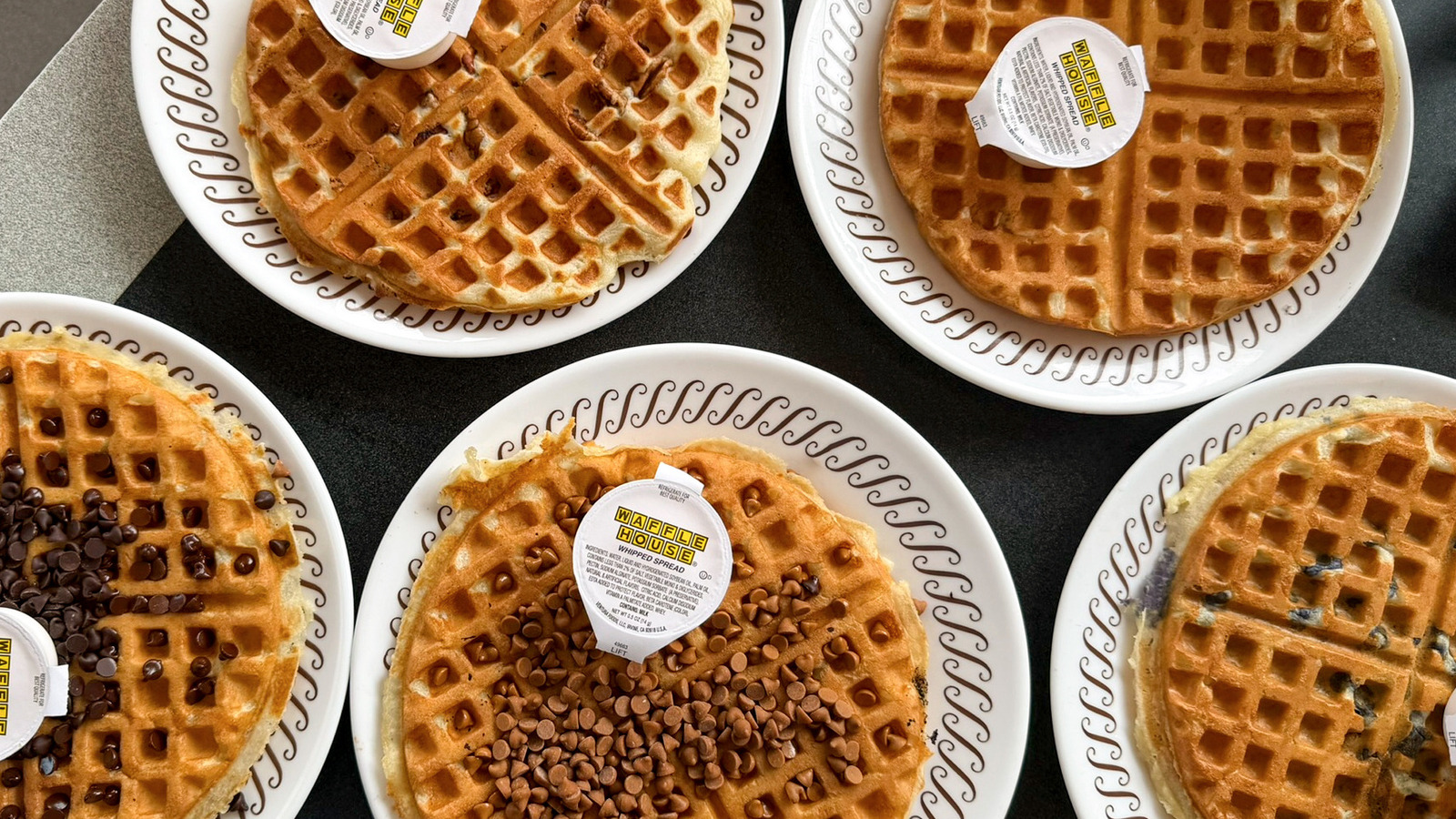
Austin is documenting its Tex-Mex heritage through more than 40 restaurants, tracing how pioneers like Antonio Villasana built culinary institutions despite urban displacement. In Palm Beach County, regional chicken-and-waffles variations are being spotlighted across independent restaurants and national chains.
Phoenix's Guatemalan Kitchen Draws Valley Visitors
Irma López opened Irma's Kitchen 12 years ago to serve family recipes from Guatemala and Mexico. AZ Family describes how López, born in Guatemala City and raised by German parents, operates the restaurant daily from 7 a.m. to 2 p.m. She emphasizes the distinction: Guatemalan food is flavorful but generally not spicy, while Mexican cuisine carries more heat. Her menu features banana-leaf-wrapped Guatemalan tamales, yellow rice, and meat-and-vegetable chile rellenos.
The restaurant's authentic offerings have built a devoted customer base spanning the Phoenix Valley and beyond. López says visitors travel throughout Arizona specifically for her Guatemalan dishes, demonstrating consumer appetite for distinct Central American regional recipes rather than generic Latin dining options.
Boston Welcomes Korean-American Distillery and Global Pop-Ups
Boston's hospitality landscape is diversifying with niche international concepts. Namu Distilling Co. is New England's first Korean-American craft distillery, introducing small-batch soju and gin fermented from rice wine that blend Asian culinary heritage with New England botanicals. The distillery joins a wave of new dining ventures including a Laos-inspired pop-up, a Middle Eastern cocktail-bar collaboration, and plans for The Spur Cowboy Bar in East Boston, which received approval to take over Eddie C's historic liquor license.
Austin Preserves Tex-Mex Pioneer Stories and Economic Legacies
Austin's Tex-Mex history project documents more than 40 restaurants tracing the cuisine's roots in Mexican American communities. The documentation highlights pioneers like Antonio Villasana, who emigrated from Tamaulipas, Mexico, to Austin in 1912 at age 11. Villasana established Tony's Café and later opened Tony's Tortilla Factory near Republic Square, creating long-running culinary institutions.
The 1928 Austin City Plan disrupted Villasana's downtown operations and forced much of the city's Hispanic community to relocate east of East Avenue (now Interstate 35). This urban redevelopment shifted Mexican American business owners to East Austin, where they rebuilt cultural and commercial hubs. Food historians emphasize that documenting these early Tex-Mex pioneers demonstrates Mexican American economic resilience despite institutional displacement.
Boston's Saturday Food Festival Connects Vendors and Consumers
The Boston Local Food Festival runs Saturday from 11 a.m. to 5 p.m. on the Rose Kennedy Greenway. The event features local agricultural vendors, culinary demonstrations, tastings, and a seafood throwdown. Thousands of regional consumers will have direct access to small producers and established food businesses showcasing regional specialties.
Sentiment
Mostly PositiveNEGATIVENEUTRALPOSITIVE
Publishers
36
Articles
10
Reach
46
A
AnonymousAuthor