Swinney urges MSPs to back right to decide
Swinney urges MSPs to back right to decide
Anonymous
Key Points
1
A previous Scottish Parliament motion calling on Westminster to issue a Section 30 order under the Scotland Act 1998—transferring authority to Holyrood to hold an independence referendum—passed by 72 votes to 55 after the SNP Government was re-elected in May.
2
The Scottish Government has already published draft legislation for a second independence referendum, saying it would introduce the bill at Holyrood once the necessary powers were secured.
3
Swinney said the self-determination campaign had attracted “growing international attention” and referred to what he described as the Prime Minister’s acknowledgment that Scotland should hold a referendum when independence is likely to win majority support.
4
The joint agreement signed by the leaders of Scotland, Wales and Northern Ireland was described as a memorandum of understanding intended to pressure Downing Street to permit independence referendums; the leaders also declared that “Westminster’s time is coming to an end.”
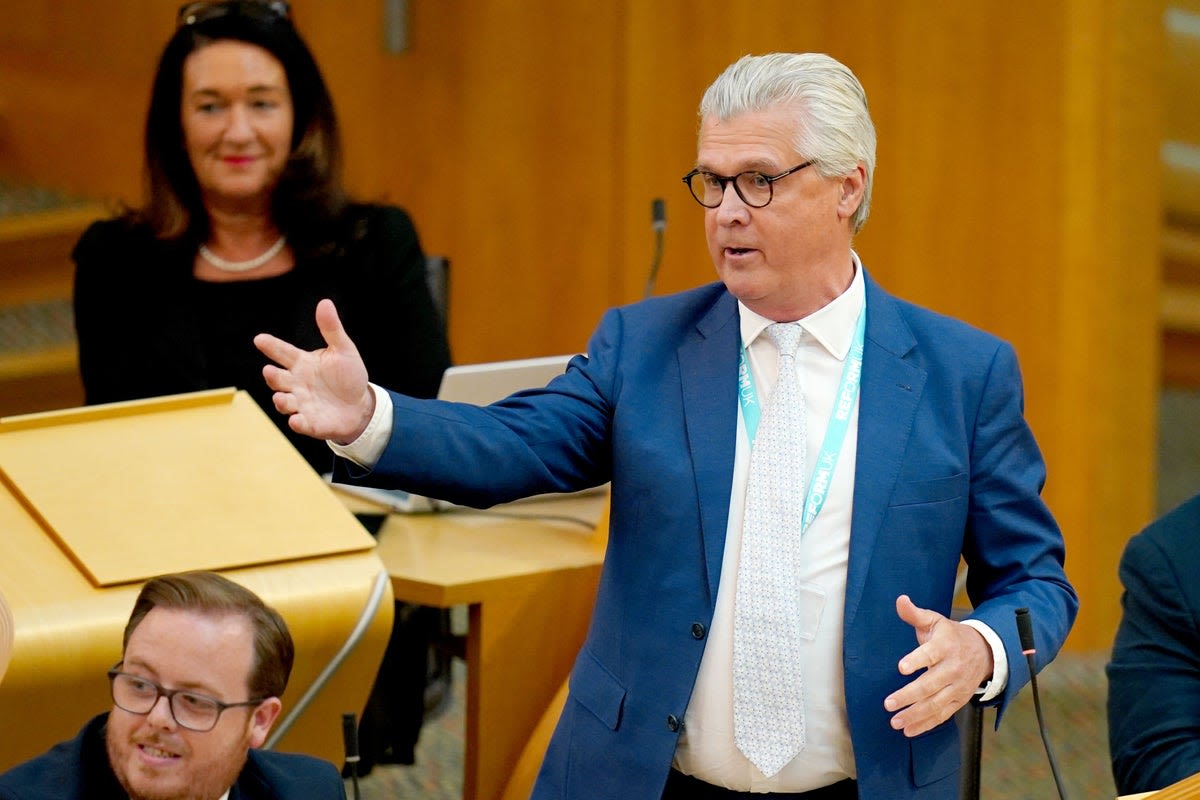
Scottish First Minister John Swinney is pushing all MSPs to back a Holyrood motion affirming Scotland's right to decide its own constitutional future, regardless of their stance on independence. The Independent reported that Reform UK MSPs walked out of the chamber after failing to block the debate, signaling deep divisions over the self-determination push.
The motion follows a meeting where leaders of Scotland, Wales, and Northern Ireland called on Westminster to permit constitutional change and independence referendums. Swinney argues the case for self-determination is strengthening, while the UK government maintains another Scottish referendum would distract from economic priorities.
Swinney's Push for Cross-Party Support
Swinney organized the Holyrood debate to garner backing from every MSP on Scotland's constitutional right. Morning Star Online confirmed that Holyrood voted to support Scotland's "right to decide" following the heated session led by Swinney himself. The First Minister views cross-party endorsement as crucial momentum for the self-determination campaign.
Westminster Blocks Another Independence Referendum
The UK government has rejected holding another Scottish independence referendum, saying it would divert focus from cost-of-living and economic challenges. Westminster's refusal to grant a Section 30 order—which would transfer legal authority to Holyrood—remains the main obstacle. The Scottish Government drafted legislation for a second referendum, ready to introduce it once Westminster grants the necessary powers.
A Previous Motion Passed With 72 Votes
In May, after the SNP Government's reelection, a prior Holyrood motion calling for a Section 30 order passed 72 to 55. That vote showed strong support within Parliament for pressing Westminster on the referendum question. Swinney now seeks to build on that result with renewed backing for self-determination principles.
UK Leaders Pressure Downing Street on Constitutional Change
Scotland, Wales, and Northern Ireland's leaders signed a memorandum of understanding to pressure Westminster for independence referendums. The agreement declared that "Westminster's time is coming to an end," signaling coordinated pressure from across the UK's constituent nations. Swinney highlighted the campaign's "growing international attention" and cited what he called the Prime Minister's acknowledgment that Scotland should hold a referendum if independence likely wins majority support.
Sentiment
Mostly NegativeNEGATIVENEUTRALPOSITIVE
Publishers
18
Articles
96
Reach
114
A
AnonymousAuthor


