Venezuela Removed From Drug List
U.S. removes Venezuela from illicit drug list while designating 23 major transit nations.
Anonymous
Key Points
1
The determination specifically welcomed Prime Minister Narendra Modi and India’s efforts to curb illicit opium-poppy cultivation and strengthen supply-chain integrity, while Washington said it would continue cooperation with India under the U.S.-India Drug Policy Framework.
2
The administration described China as the world’s largest producer of many precursor chemicals used to make fentanyl, methamphetamine and other synthetic drugs, and called on Beijing to schedule additional chemical precursors and substances requested by the United States.
3
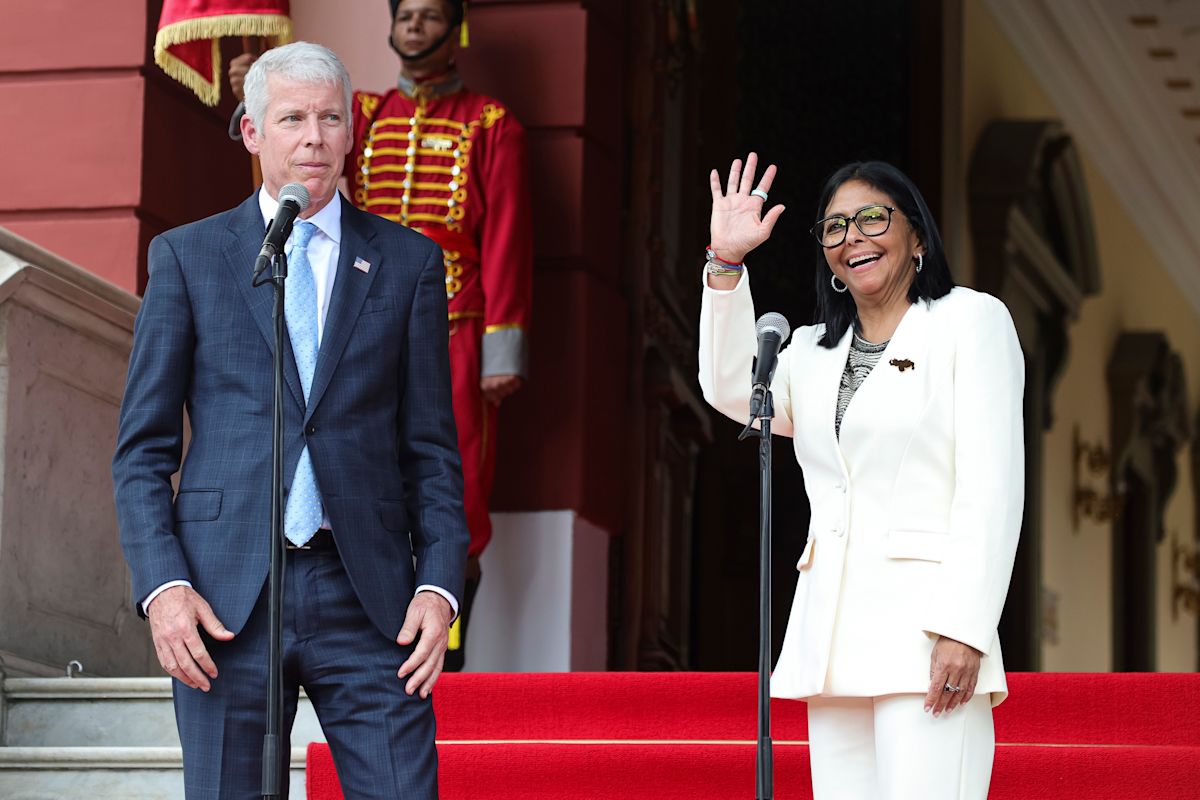
In explaining Venezuela’s removal from the noncompliance category, Trump’s administration cited cooperation with Caracas and enforcement actions against transnational groups including the Tren de Aragua network.
4
The assessment noted expanded bilateral law-enforcement coordination with Bolivia following the extradition of high-profile trafficking suspects, but said elevated coca cultivation and institutional challenges meant that any reconsideration would depend on tangible progress during the coming year.
5
For Colombia, Washington expressed optimism about pledged eradication campaigns in response to record cocaine output, while making clear that its status would be revisited only if measurable progress is demonstrated.
President Trump's administration released its fiscal 2027 counternarcotics determination, naming 23 countries as major drug-transit or drug-producing nations. Al Jazeera reported that Venezuela was removed from the noncompliance category, citing improved security coordination and action against transnational crime groups. Four countries—Afghanistan, Bolivia, Burma, and Colombia—were designated as failing to meet international drug-control obligations.
The Trump administration said the broader designation does not mean a government is failing to combat trafficking. Geography, commerce, and economic conditions can facilitate drug movement and production. Washington offered Bolivia and Colombia a path to reconsider their status if they make measurable progress in the coming year.
Venezuela Moves Off the Failing List
Miami Herald reported that Trump removed Venezuela from the noncompliance list, a significant shift from previous U.S. positions. The administration credited cooperation with interim President Delcy Rodriguez and enforcement actions against transnational groups like the Tren de Aragua network. This marks a change in Washington's approach to Venezuela's drug-control efforts.
The move reflects improved bilateral law-enforcement coordination. U.S. officials cited arrests and removals of key traffickers as evidence of Venezuela's commitment. The timing suggests Washington sees value in continued cooperation with Caracas on counternarcotics, even amid broader political tensions.
Four Nations Fail to Meet International Drug Standards
Afghanistan, Bolivia, Burma, and Colombia face formal designations for failing drug-control obligations. Union Bulletin noted that these countries did not meet international standards during the assessment period. Each designation carries potential consequences for U.S. assistance and trade relationships, though the administration left room for reconsideration.
Bolivia's coca cultivation remains elevated despite recent progress. Law-enforcement coordination improved after the extradition of high-profile trafficking suspects. Washington said any reconsideration depends on tangible progress during the coming year, not just pledges or short-term actions.
Colombia's Record Cocaine Problem Demands Proof
Colombia faces the failed-compliance designation despite its pledged eradication campaigns. The country produced record cocaine output, triggering concern in Washington. The Trump administration expressed optimism about Colombia's stated commitment but demanded measurable progress before reconsidering its status.
China and India in Focus as Precursor-Chemical Producers
The determination acknowledged cooperation with India under the U.S.-India Drug Policy Framework. Washington welcomed Prime Minister Narendra Modi's efforts to curb illicit opium-poppy cultivation and strengthen supply-chain integrity. India's cooperation signals a strengthening relationship on drug-control issues.
China emerged as the world's largest producer of precursor chemicals used to make fentanyl, methamphetamine, and other synthetics. The Trump administration called on Beijing to schedule additional chemical precursors. Washington did not place Pakistan in the failed-compliance category, suggesting satisfaction with current cooperation levels.
Sentiment
Mostly NegativeNEGATIVENEUTRALPOSITIVE
Publishers
16
Articles
31
Reach
47
Topics
A
AnonymousAuthor