Lethal Injection Scrutiny
Botched execution attempts renew intense scrutiny over lethal injection and alternative methods.
Anonymous
Key Points
1
In 2025, 39 of the 47 executions in the United States were carried out by lethal injection; five used nitrogen inhalation and three used firing squads. The firing-squad executions in South Carolina were the first in the country since 2010.
2
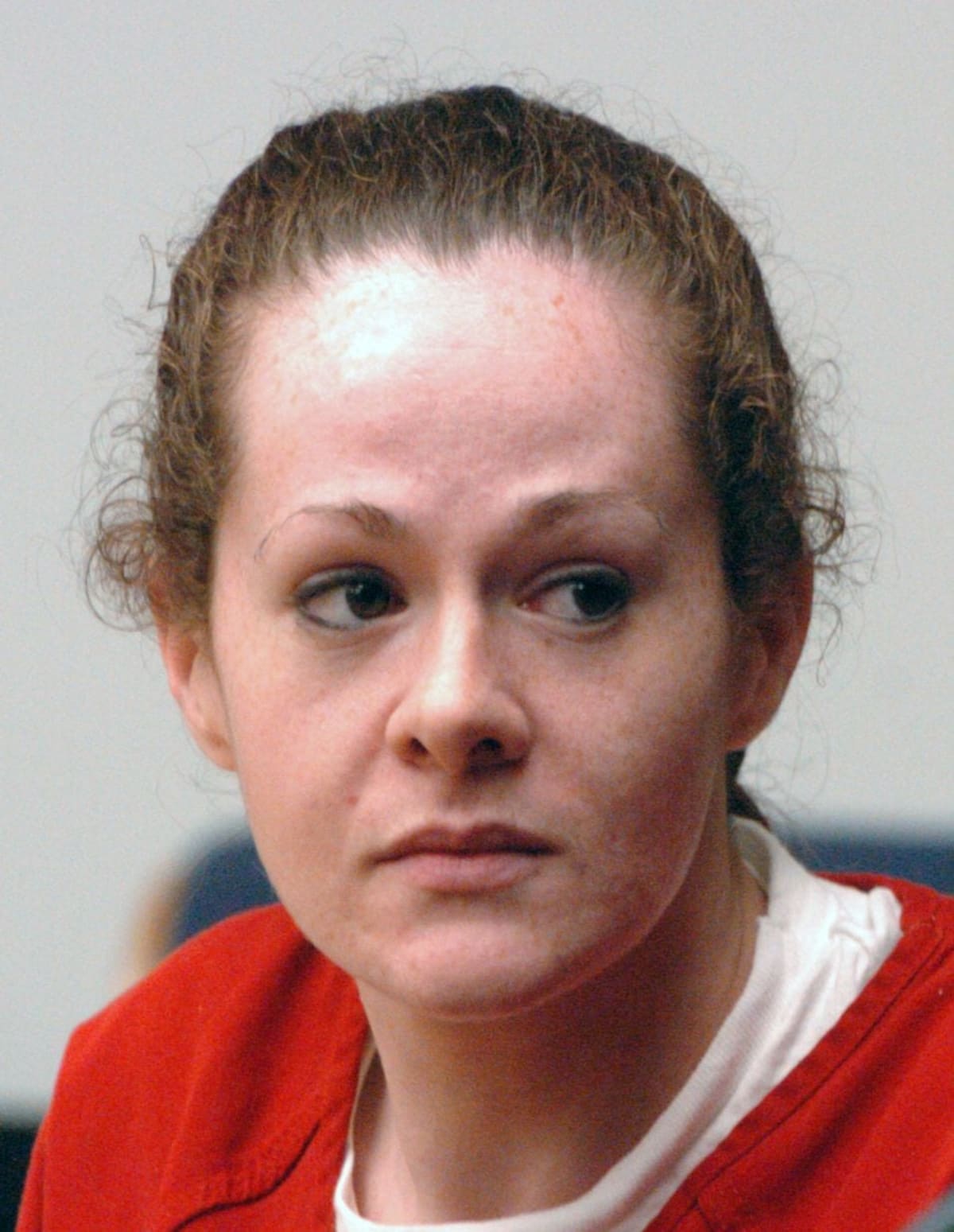
During Christa Pike’s execution attempt, staff used at least seven needles to find a vein and administered two potentially lethal doses of pentobarbital. She survived and was taken to hospital in critical condition.
3
Alabama called off Doyle Lee Ham’s 2018 execution after spending two and a half hours trying to establish an IV line; his attorneys had warned that his cancer would make finding a usable vein impossible. In 2022, the state also failed to place an IV catheter for Alan Eugene Miller, who was later executed using nitrogen hypoxia in 2024.
4
John Evans’s 1983 execution in Alabama took three electric shocks before his heart stopped. After the first shock, sparks and flames came from the electrodes, and his leg caught fire.
A failed execution in Tennessee has reignited debate over lethal injection's safety in the United States. Christa Pike survived a botched lethal-injection attempt after staff used at least seven needles to find a vein and administered two potentially lethal doses of pentobarbital, leaving her unconscious on a ventilator France24. The incident highlights a persistent problem: research covering 8,776 executions from 1890 to 2010 found serious complications in 276 cases, with lethal injection having the highest failure rate among all execution methods AOL.
In 2025, lethal injection remains the dominant method, accounting for 39 of 47 US executions. But states struggling to obtain execution drugs have turned to alternatives like nitrogen gas and firing squads, signaling a shift in how executions are carried out Yahoo.
Multiple Failed Attempts Expose Injection Problems
Pike's execution went wrong from the start. Executioners struggled repeatedly to establish an IV line. They used seven needles before finally injecting the drug. Two separate doses of pentobarbital entered her body Morning Chronicle. She remained unconscious, requiring hospital care on life support.
This is not Pike's case alone. In 2018, Alabama halted Doyle Lee Ham's execution after two and a half hours of failed IV attempts. Prison staff abandoned the procedure, unable to access usable veins. Four years later, Alabama again failed with Alan Eugene Miller, whose IV catheter placement took multiple tries before eventually executing him using nitrogen gas in 2024.
States Turn to Nitrogen and Firing Squads
Facing drug shortages and legal challenges, states have adopted new execution methods. In 2025, five executions used nitrogen inhalation — a relatively new technique. Three executions used firing squads in South Carolina, marking the first such executions nationwide since 2010 Barron's.
Nitrogen hypoxia works by replacing breathable air with pure nitrogen gas, causing oxygen deprivation. Supporters say it mimics natural suffocation and avoids the injection problems. But critics argue the method remains untested and poorly understood. No other country uses this execution technique.
A History of Gruesome Execution Failures
Botched executions predate Pike. In 1983, Alabama executed John Evans using an electric chair. The first shock failed. Sparks and flames shot from the electrodes. His leg caught fire. A second shock followed, then a third, before his heart finally stopped. The process exposed the brutality of early execution methods.
Lethal injection was introduced as a more humane alternative in the 1970s. But decades of experience show it carries serious risks. Complications range from incomplete sedation to vein damage to drug administration errors. As drug companies refuse to supply execution drugs, states scramble for alternatives — bringing older, more violent methods back into use.
Sentiment
Mostly NegativeNEGATIVENEUTRALPOSITIVE
Publishers
25
Articles
167
Reach
192
A
AnonymousAuthor


