Pre-colonial population estimates revised
New Research Estimates 2.2 Million Indigenous Australians Lived Here Before 1788
Anonymous
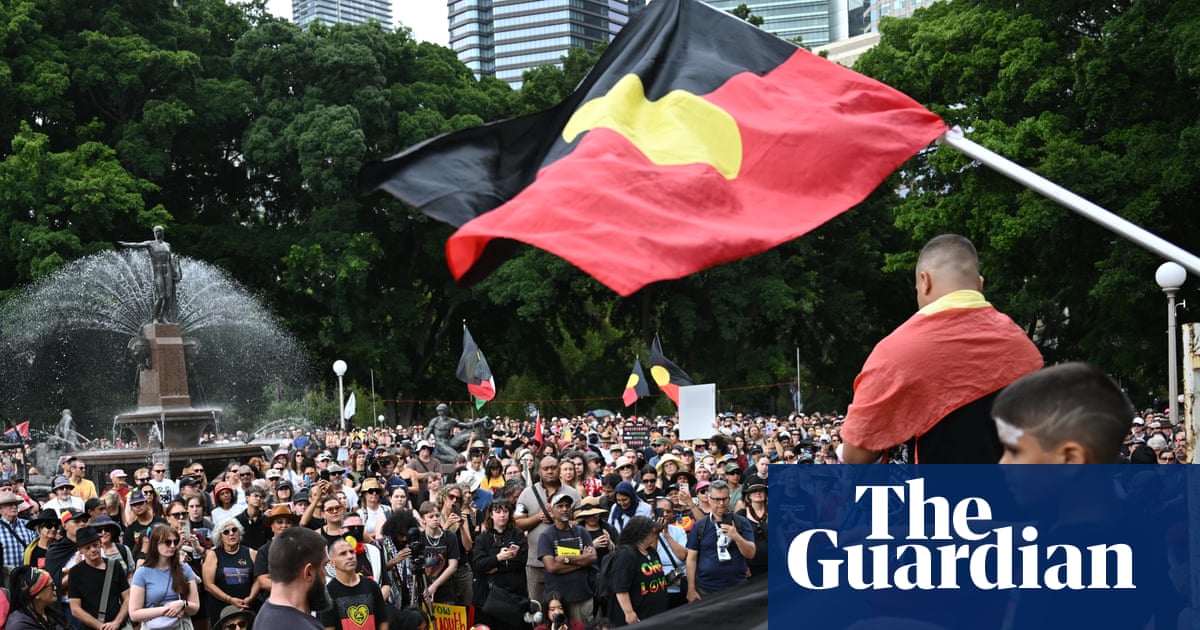
New research estimates that about 2.22 million Aboriginal and Torres Strait Islander people lived in Australia before British colonisation in 1788—up to seven times more than longstanding estimates of 250,000 to 300,000. Using computer modelling alongside archaeological, genetic, ethnographic and environmental evidence, researchers argue that earlier figures relied on incomplete records collected after disease, dispossession and violence had already devastated Indigenous communities. The study estimates that roughly 2.06 million people, or about 93% of the pre-colonial population, died within the following seven decades from epidemics, massacres, displacement, malnutrition and other colonial disruptions. Researchers say the findings expose the scale of frontier and structural violence, challenge assumptions underpinning terra nullius, and are important for truth-telling and reconciliation. They also warn that historical records likely undercounted massacres and excluded many Indigenous people, particularly those of mixed ancestry.
Key Points
1
The longstanding estimate of 250,000 to 300,000 originated with anthropologist Alfred Radcliffe-Brown’s 1930 work. Australia did not conduct a comprehensive census of Indigenous people until 1971, and the 2021 Census was only the sixth national census to include all Aboriginal and Torres Strait Islander peoples.
2
Colonial records often counted only people encountered at blanket distributions, ration depots, missions, reserves or pastoral stations, while administrative practices excluded many people of mixed ancestry. This meant later observers were measuring communities already severely disrupted by colonisation.
3
The research drew on five population-estimation methods, including modelling environmental carrying capacity across the continent, alongside ethnographic, archaeological and genetic evidence.
4
Co-author Corey Bradshaw said a smallpox outbreak in 1789 alone may have killed as many as 220,000 Aboriginal people; subsequent epidemics included measles, influenza, tuberculosis and typhoid.
5
Bradshaw said massacre databases could be underestimated by an “order of magnitude,” arguing that frontier perpetrators had little incentive to document killings carried out to remove Indigenous people from land.
Sentiment
Mostly NegativeNEGATIVENEUTRALPOSITIVE
Publishers
9
Articles
4
Reach
13
A
AnonymousAuthor


