Border Disasters Disrupt Trade
Mudslides and Flash Floods Sever Gyirong Border Crossing, Triggering Massive Rescue Operations
Anonymous
Key Points
1
President Xi Jinping ordered all-out search-and-rescue efforts, relocation of people in the path of danger, and treatment of the injured, while demanding rigorous monitoring and 'scientific rescue' to prevent secondary disasters.
2
In Nepal’s Rasuwa district, the areas of Syapru Besi and Timure—home to about 50,000 people—were severely affected, with officials urging residents along the Bhote Koshi River to seek higher ground as floods and infrastructure damage were reported.
3
Cross-border infrastructure was hit on both sides: on the Chinese side, the road to Gyirong Port was severed, cutting roads, communications and power; on the Nepal side, hydroelectric projects, roads and bridges were damaged and electricity supply was disrupted.
4
Gyirong Port has been described as one of the busiest overland corridors between China and Nepal since a 2014 trading agreement, carrying a large share of freight and a growing stream of tourists and pilgrims; its temporary closure underscores cross-border fragility during the monsoon season.
5
Last year’s Bhote Koshi floods killed nine people, left 24 missing, and washed away a 'Friendship Bridge' linking Nepal and China, disrupting trade and highlighting the ongoing vulnerability of regional supply lines.
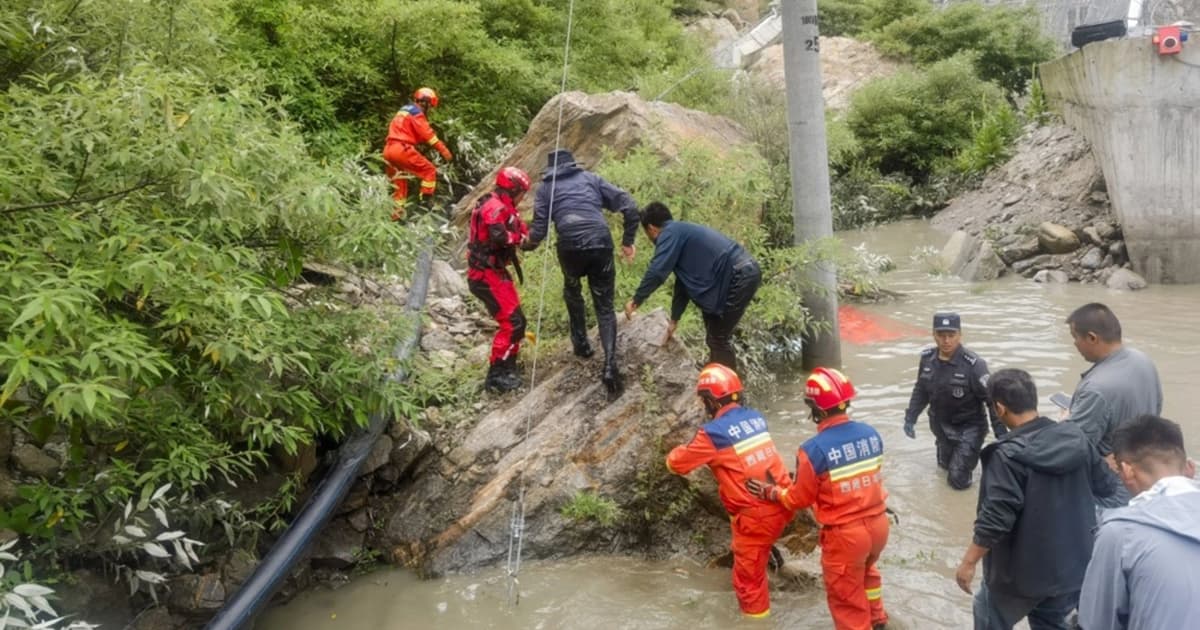
A major mudslide struck Gyirong Port on the Tibet-Nepal border, causing significant casualties and triggering a large-scale rescue operation, BBC reported. Free Malaysia Today said roads, communications, and power were cut off on the Chinese side, while flash floods across the border in Nepal damaged critical infrastructure and left hundreds of travelers—including 291 foreign tourists—missing.
President Xi Jinping ordered all-out search-and-rescue efforts and expedited medical treatment for the injured, while warning of secondary hazards during the monsoon season. The disaster struck Gyirong Port, one of the busiest overland crossings between China and Nepal since a 2014 trading agreement, disrupting critical freight and tourism routes.
Mudslide and Floods Hit Border Crossing
The mudslide occurred at Gyirong Port in Tibet's Xizang region, Free Malaysia Today reported. On Nepal's side, BBC said flash floods swept through Rasuwa district, affecting about 50,000 people in areas like Syapru Besi and Timure near the Bhote Koshi River. Officials urged downstream residents to seek higher ground immediately.
The flooding caused severe damage to both nations' infrastructure. Market Screener reported that roads, bridges, and hydroelectric projects were damaged, with electricity supply disrupted across Nepal. Chinese authorities said the road to Gyirong Port was completely severed, isolating the border crossing.
Hundreds Missing After Water Swept Buildings Away
BBC reported that a flash flood swept away buildings on the Nepal-Tibet border, leaving hundreds of travelers missing. Among them were 291 foreign tourists caught in the disaster. The exact death toll remained unclear, but authorities feared significant casualties from the initial impact and ongoing aftereffects.
This disaster mirrors last year's Bhote Koshi floods, which killed nine people and left 24 missing. That earlier flooding also destroyed a bridge linking Nepal and China, disrupting regional trade for months. The recurring pattern shows how vulnerable these border communities remain during monsoon season.
Critical Trade Route Disrupted During Peak Season
Gyirong Port is one of the busiest overland corridors between China and Nepal, carrying large volumes of freight and growing streams of tourists and pilgrims. The temporary closure disrupts supply chains and travel during the monsoon season, when extreme weather poses constant threats to regional infrastructure.
Market Screener said the 2014 trading agreement between China and Nepal made Gyirong Port a vital economic link. The port's closure highlights the fragility of cross-border routes when geological hazards and extreme weather intersect with busy trade corridors, affecting livelihoods on both sides of the border.
Rescue Efforts Focus on Secondary Disaster Prevention
Chinese authorities emphasized 'scientific rescue' methods and rigorous monitoring to prevent secondary disasters. Free Malaysia Today reported that officials warned of additional landslides and flooding risks as the monsoon season continues. Rescue teams worked to relocate people in danger zones and treat the injured under difficult conditions.
Both governments coordinated relief efforts as state media tracked the response. Officials on both sides focused on assessing total damage and speeding aid to affected communities. The disaster underscores the need for better early-warning systems and disaster preparedness along vulnerable mountain borders during heavy rain periods.
Sentiment
Mostly NegativeNEGATIVENEUTRALPOSITIVE
Publishers
124
Articles
616
Reach
740
A
AnonymousAuthor


