No Immediate Gas Relief
New US-Venezuela Oil Deal Will Not Immediately Reduce Domestic Gasoline Prices
Anonymous
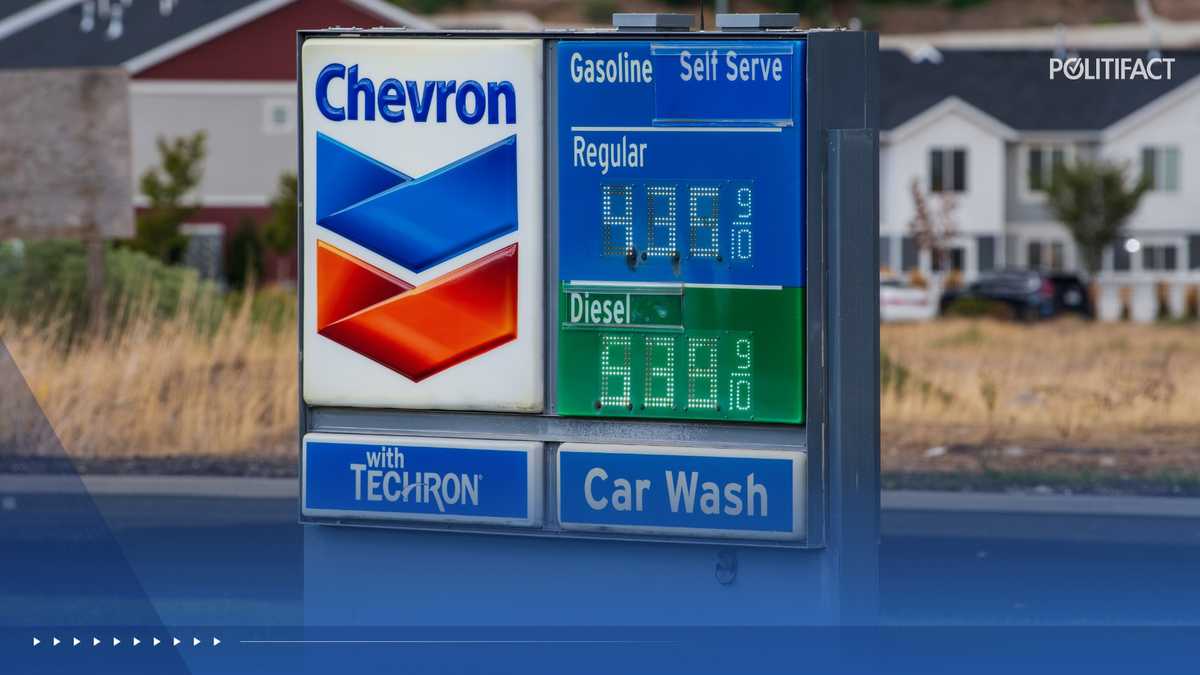
The United States and Venezuela have struck a major oil deal to secure billions of barrels at favorable prices. But Local News Sources warn that American drivers shouldn't expect cheaper gas at the pump anytime soon. The agreement requires years of infrastructure work before oil can actually flow to U.S. refineries.
The deal gives the U.S. a 35% stake in North American Blue Energy Partners. The company gets 100-year rights to 17 Venezuelan oil fields holding 65 billion barrels of proven reserves. The U.S. also secures the right to buy 20% of production without paying markups.
A Long Pipeline Before Pumps See Relief
Even with cheap Venezuelan oil secured, U.S. gasoline prices face a long delay. Major infrastructure investments must happen first — think pipelines, refineries, and export terminals. Reports estimate this groundwork will take years to complete. Only then can Venezuelan barrels reach American gas stations.
Pentagon Backing Eases Oil Company Concerns
Oil companies have worried about investing in Venezuela due to political risks and sanctions. The Pentagon's role in this deal signals U.S. government protection and stability. Analysts note this backing makes companies more willing to fund the massive projects needed. It transforms Venezuela from a risky bet into a government-backed opportunity.
Guaranteed Discounts Don't Mean Instant Savings
The deal locks in favorable pricing for 20% of production sold to the U.S. without markup. This is a major financial win for American companies. But gasoline prices depend on global oil supply, refinery capacity, and shipping costs too. One supply source—even a large one—won't move the needle on pump prices this year or next.
What This Deal Actually Achieves Right Now
The agreement secures long-term oil access at prices below market rates. It reduces U.S. dependence on other suppliers and strengthens ties with Venezuela. For American oil companies, it opens a 100-year revenue stream from a massive reserve. But for the average driver? That benefit is still years away.
Sentiment
NeutralNEGATIVENEUTRALPOSITIVE
Publishers
7
Articles
7
Reach
7
Topics
A
AnonymousAuthor


