Unauthorized AI Endorsement
Suno pulls Mary J. Blige artificial intelligence advertisement after discovering unauthorized representation.
Anonymous
Key Points
1
The 85-second advertisement showed a producer creating a song titled “Pretty Flowers,” with Blige suggesting strings and a beat before reacting positively to the result.
2
Suno’s spokesperson said the company wanted to work with Blige because she had “never stopped innovating,” citing albums and eras including “What’s the 411,” “No More Drama,” “The Breakthrough” and “Growing Pains.”
3
Suno has secured licensing agreements with Warner Music Group and the revamped BMG, but continues to face copyright lawsuits from Universal Music Group and Sony Music.
4
Additional legal pressure emerged from Regional Mexican music company Gerencia 360 Music and a group of songwriters led by Jason Isbell; the performance-rights organization SOCAN also presented court evidence alleging direct song ripoffs generated by Suno.
5
The advertisement was originally posted on Suno’s Facebook page, and the full clip itself appears to document a real studio session rather than being fabricated, leaving unresolved how the unauthorized representative arranged Blige’s participation and filming.
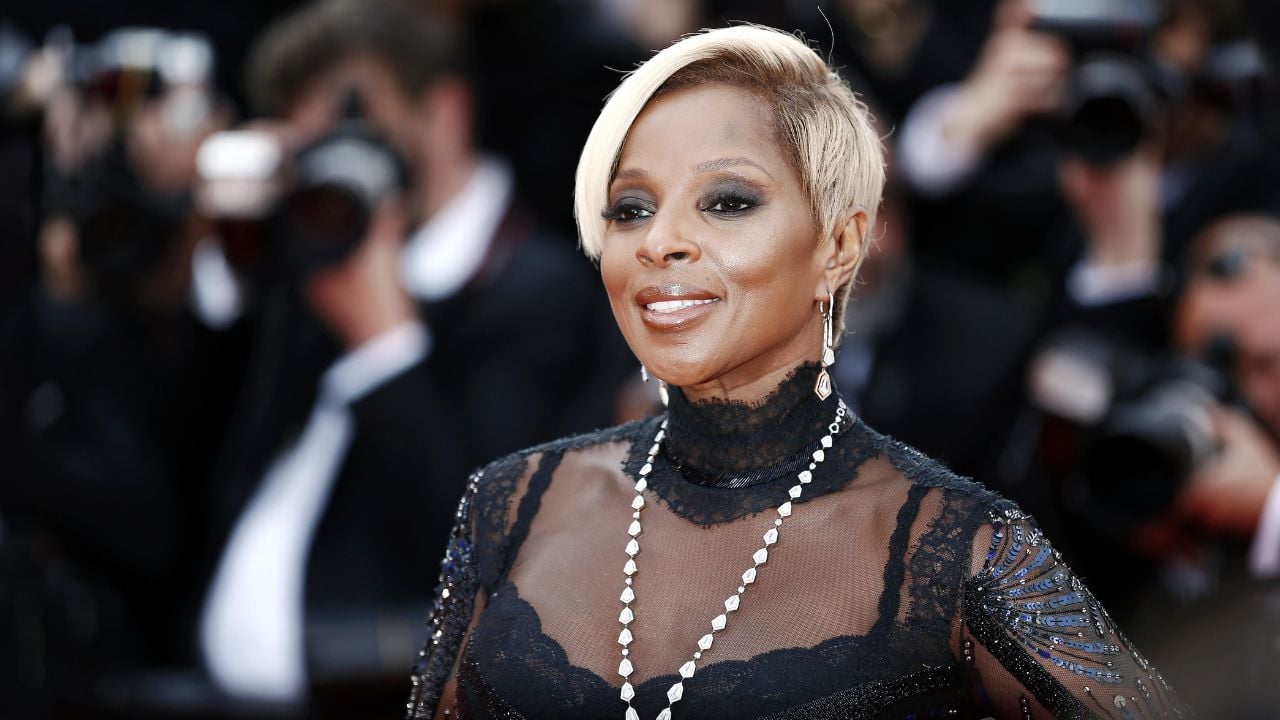
Suno pulled an advertisement featuring Mary J. Blige after discovering the deal was never approved by her. Eurweb reported that the person who negotiated the campaign had falsely claimed to be her official representative. The 85-second video showed Blige in a studio reacting positively to an AI-generated song, sparking immediate backlash from fans who thought she had endorsed AI music.
Suno said it ended the campaign after learning about the misrepresentation and that Blige was uncomfortable with it. Yahoo News noted that it remains unclear how the unauthorized representative arranged the actual filming and release. The incident highlights growing tensions around AI music, artist consent, and the use of human identity in generated content.
How the Unauthorized Deal Happened
The video featured a producer creating a track called "Pretty Flowers," with Blige suggesting strings and a beat before reacting positively to the result. WeRaveYou reported that Suno entered into a business deal with someone claiming to represent Blige, only to later discover that person had no authorization to act on her behalf. The full clip appears to document a real studio session rather than fabricated footage, raising unanswered questions about how the unauthorized representative gained access.
Suno's Strategy Spotlighting Innovation
Suno's spokesperson said the company chose to work with Blige because she had "never stopped innovating." Yahoo News reported the company cited her albums across decades, including "What's the 411," "No More Drama," "The Breakthrough," and "Growing Pains." The statement suggested Suno wanted to frame AI music as part of a broader creative evolution, not a replacement for human artistry.
Legal Battles Over AI Music Rights
Suno has secured licensing agreements with Warner Music Group and BMG, but continues to face major copyright lawsuits from Universal Music Group and Sony Music. Eurweb noted additional legal pressure from Regional Mexican music company Gerencia 360 Music and songwriters led by Jason Isbell. The performance-rights organization SOCAN also presented court evidence alleging that Suno directly replicated copyrighted songs in its generated tracks.
Broader Questions About AI and Identity
The Blige incident exposes a core tension in AI music: companies can generate realistic audio, but securing genuine artist participation and consent remains complex. Blige has not publicly commented on the unauthorized use of her image and voice. The episode demonstrates how quickly AI tools can create convincing content—and how difficult it remains to verify who actually approved a deal.
Sentiment
Mostly NegativeNEGATIVENEUTRALPOSITIVE
Publishers
15
Articles
58
Reach
73
A
AnonymousAuthor


