Rep. Edwards Faces Censure
House Ethics Panel Recommends Censure for Rep. Edwards Over Hostile Workplace, Inappropriate Conduct
Anonymous
Key Points
1
The ethics panel detailed lavish gifts Edwards gave to the two staffers, including jewelry priced at over $1,000, designer purses, guns, vacations, electronics, and spa treatments, with at least one staffer feeling obligated to wear items and a Las Vegas trip noted as part of personal outings.
2
The report says Edwards deleted or failed to produce more than 400 text messages relevant to the investigation, hindering the committee’s ability to assess his communications with the staffers.
3
The two staffers had worked for Edwards since his North Carolina state-senate days; the first was a college student when hired as his scheduler, and the second was in her early 20s when she joined as a legislative staffer.
4
The committee found substantial evidence that Edwards violated House Rules related to sexual harassment and a hostile workplace, but noted there was no evidence of sexual activity, and this case marks the first time the panel has recommended censure of a member since 2010.
5
Edwards agreed to waive procedural steps to allow a floor vote on the recommended censure, signaling a rapid move toward an official House condemnation.
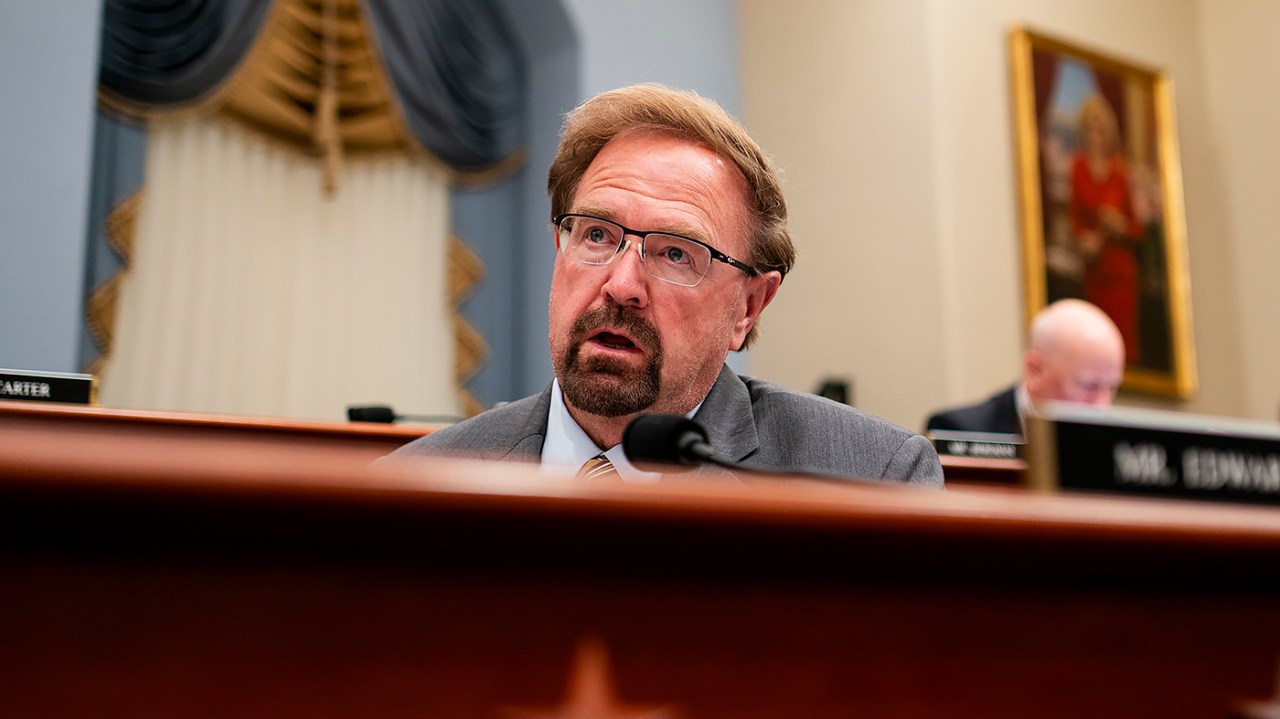
The House Ethics Committee has recommended censuring Rep. Chuck Edwards, R-N.C., finding "substantial reason to believe" he sexually harassed two young female staffers and created a hostile workplace. Asheville Watchdog reported the 25-page report describes a sustained pattern of inappropriate conduct — including romantic texts, comments about appearance, and lavish gifts. It marks the first censure recommendation for a House member since 2010.
Edwards has denied making intentional sexual or romantic advances. But the committee found his behavior "could be interpreted as such by a reasonable observer," according to NewsNation. Edwards agreed to waive procedural steps, clearing the way for a full House floor vote on the censure.
Gifts, Trips, and Late-Night Texts Detailed in Report
The ethics panel laid out a pattern of gifts Edwards gave to two female staffers. Those gifts included jewelry worth over $1,000, designer purses, guns, electronics, spa treatments, and personal vacations. Yahoo News reported that at least one staffer felt pressured to wear items he gave her. A Las Vegas trip was among the personal outings cited in the report.
Edwards also sent late-night messages and intimate texts to the staffers. The committee found these communications helped create an uncomfortable environment and sparked rumors inside his office. The two women had worked for Edwards since his North Carolina state-senate days. One was a college student when hired as his scheduler. The other was in her early 20s when she joined as a legislative staffer.
Edwards Deleted Over 400 Messages During Investigation
The committee found that Edwards deleted or failed to produce more than 400 text messages relevant to the probe. San reported this hindered investigators' ability to fully assess his communications with the two staffers. The panel still found enough evidence to conclude he violated House rules on sexual harassment and hostile workplaces.
The report stopped short of finding evidence of explicit sexual activity. Still, the committee said his conduct violated the "spirit" of the chamber's rules against sexual harassment and unwanted advances, according to NewsNation. The panel called his behavior "beyond inappropriate."
Censure Explained: Serious But No Removal From Office
Censure is one of the House's harshest punishments short of expulsion. It does not remove a member from office and carries no legal penalties. It is essentially a formal, public condemnation. A censure requires a vote by the full House to take effect. The last time the Ethics Committee recommended censure was in 2010, according to Union Bulletin.
Edwards agreed to skip the usual procedural steps, which speeds up the process toward a floor vote. He is currently running for re-election in North Carolina and has said he expects his name to be cleared. The full House has yet to schedule or hold a vote on the recommended censure.
Broader Scrutiny of Misconduct on Capitol Hill
The Edwards case comes amid wider concern about how Congress handles misconduct by its members. Asheville Watchdog noted the case puts pressure on House leadership to take ethics oversight seriously. Observers are watching to see whether the full House follows through on the censure recommendation or allows it to stall.
Opponents of Edwards have pointed to the report as disqualifying. Supporters argue the committee found no evidence of a physical relationship. The outcome of the House vote will likely shape how future ethics complaints against sitting members are handled on Capitol Hill.
Sentiment
Mostly NegativeNEGATIVENEUTRALPOSITIVE
Publishers
23
Articles
332
Reach
355
A
AnonymousAuthor


