Psilocybin Protects Nerves From Chemo Side Effects
Psilocybin Protects Nerves From Chemo Side Effects
Anonymous
Key Points
1
CIPN affects more than 60% of patients treated with platinum-based chemotherapies, highlighting the substantial burden of this side effect.
2
The protective effect of psilocybin may involve serotonin 5-HT2A receptor signaling, suggesting a link between psychedelic-driven neural plasticity and mitochondrial function/pain pathways.
3
In tumor-bearing mice undergoing platinum- and taxane-based chemotherapy, two pre-treatment doses of psilocybin durably prevented CIPN across up to six cycles without diminishing the chemotherapy’s antitumor effects.
4
There is an urgent need for treatments that prevent nerve injury without interfering with lifesaving chemotherapy, a sentiment echoed by the researchers as they push psilocybin toward preventive use.
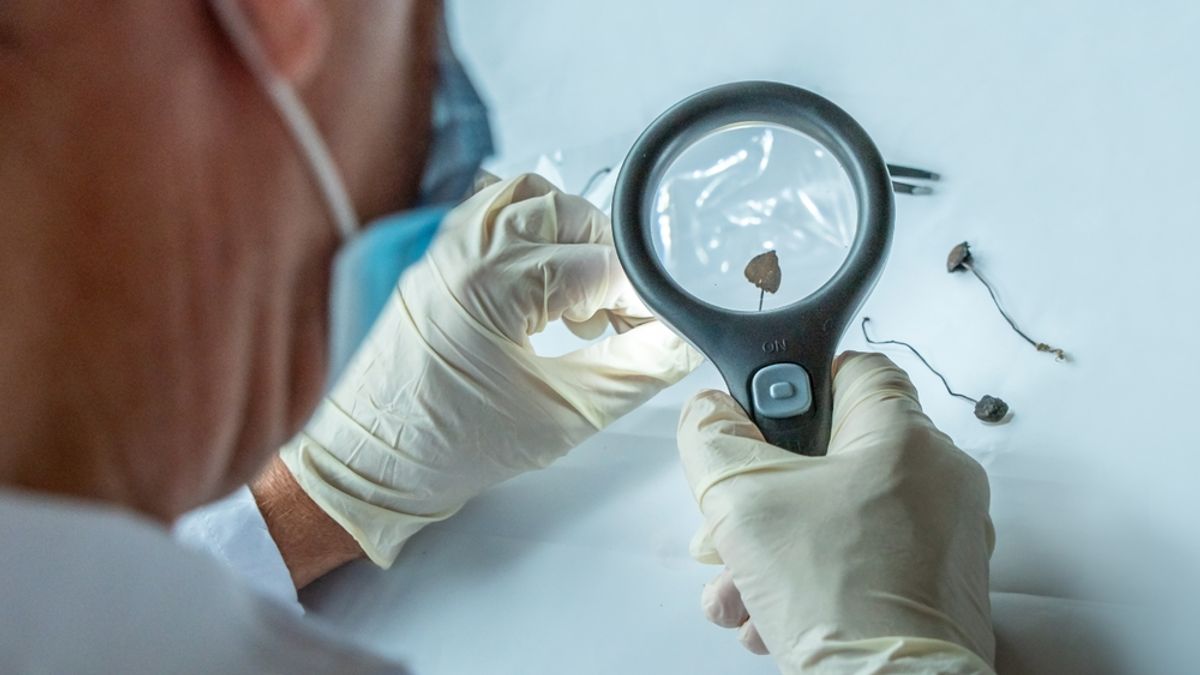
Researchers at MD Anderson Cancer Center have discovered that psilocybin, the psychedelic compound in magic mushrooms, can prevent nerve damage from chemotherapy in mice Discover Magazine. Two doses given before treatment protected nerve function through six chemotherapy cycles without reducing the cancer-killing power of the drugs Live Science. The finding addresses a major problem: more than 60% of patients treated with platinum-based chemotherapy develop chemotherapy-induced peripheral neuropathy (CIPN), a painful nerve condition with few preventive options Hi Tech Hub.
The protection appears to work through a specific brain receptor pathway that helps nerves maintain energy production and transport. This marks the first time psilocybin has been studied as a preventive neuroprotective drug in cancer care, expanding its potential beyond mood and trauma treatments Archynetys.
Why Chemotherapy Nerve Damage Is a Major Problem
Chemotherapy saves lives but carries a brutal cost. Over 60% of patients receiving platinum-based drugs develop CIPN Live Science. This means numbness, tingling, and pain that can persist for years after treatment ends Yahoo. Patients often can't hold objects, walk safely, or sleep comfortably. Yet doctors have almost no proven way to prevent it without weakening the chemotherapy itself.
How Psilocybin Protected Nerves in Mice
Led by researcher Moran Amit, the MD Anderson team tested psilocybin in mice receiving platinum and taxane chemotherapy Discover Magazine. Just two doses given before treatment started provided durable protection. After six chemotherapy cycles, treated mice maintained healthy nerve function while untreated mice developed severe CIPN Hi Tech Hub.
The psilocybin works by activating serotonin receptors in the brain. This triggers neural plasticity—the brain's ability to rewire itself—which protects mitochondria, the energy factories inside nerve cells Live Science. When mitochondria function properly, nerves stay healthy even during harsh chemotherapy.
Key Advantage: No Interference With Cancer Treatment
The most important finding is that psilocybin protected nerves without weakening chemotherapy's tumor-killing effects Discover Magazine. Mice that received psilocybin and chemotherapy showed the same level of cancer control as mice given chemotherapy alone. This means patients could get full-strength cancer treatment and neuroprotection simultaneously.
What Happens Next: The Path to Human Trials
This work is still in preclinical stage—meaning it has only been tested in mice. Human trials are needed to confirm that psilocybin is safe and effective in cancer patients Live Science. Researchers must determine the right dose, timing, and whether the protection lasts as long in people as it does in mice.
If human studies succeed, psilocybin could become a first-in-class preventive treatment for CIPN. For cancer survivors, this could mean the difference between returning to normal life or living with permanent nerve pain. The research shows that psychedelics have potential far beyond psychiatric care Archynetys.
Sentiment
Mostly PositiveNEGATIVENEUTRALPOSITIVE
Publishers
15
Articles
32
Reach
47
Topics
A
AnonymousAuthor


