Ethiopia Monastery Landslide
Heavy Rain Landslide Buries Ethiopian Monastery, Killing 14 Worshippers During Ritual
Anonymous
Key Points
1
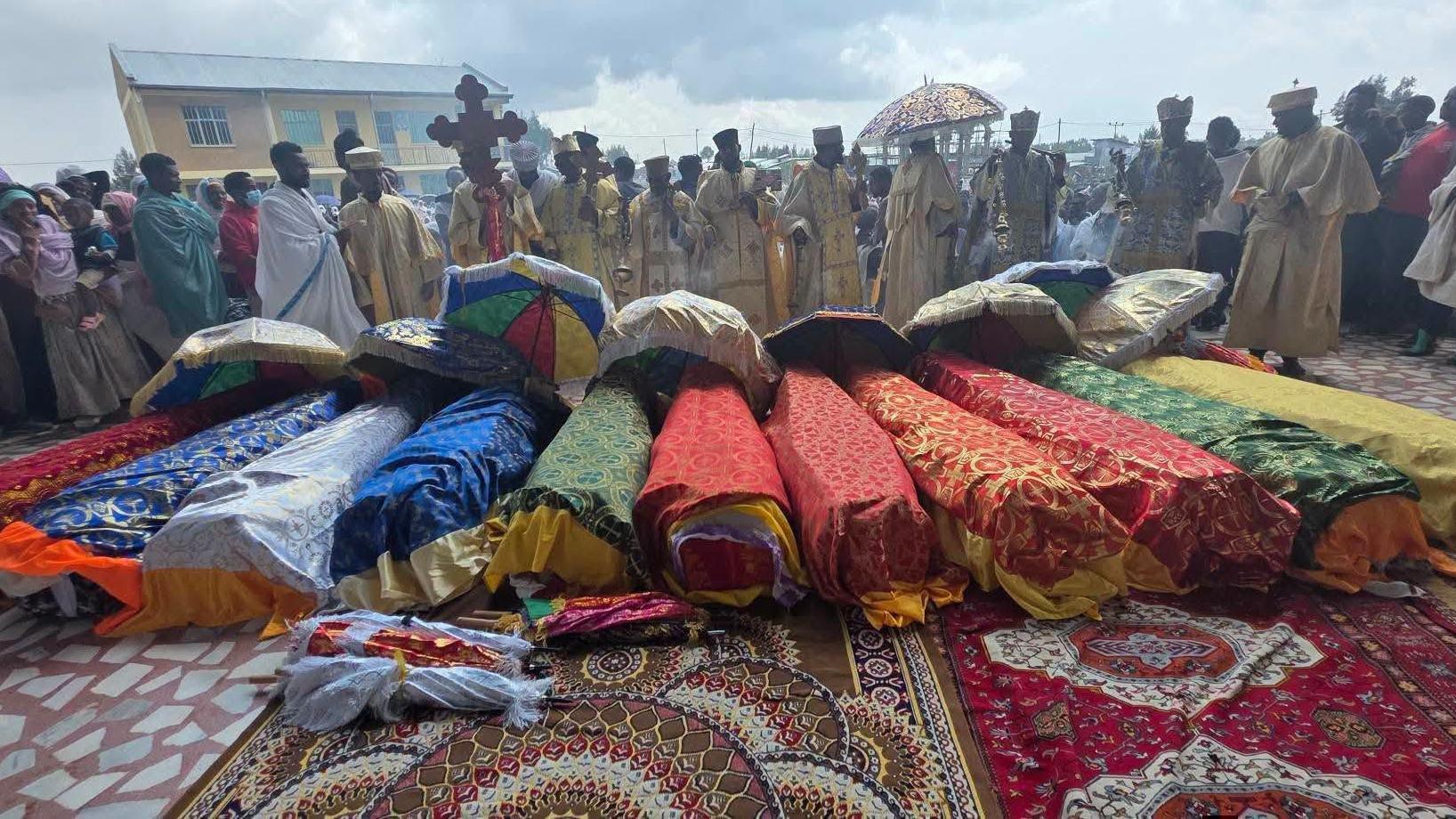
11 of the deceased were cremated within the monastery premises, while others were sent to their hometowns for burial; officials said some bodies would be difficult to identify.
2
The Tsadqane Debre Mitmaq St Mary Monastery includes a prayer chamber carved into the mountainside where the holy-water cleansing ritual is performed for healing.
3
Archbishop Abune Klementos, head of the Ethiopian Orthodox Church's North Shewa Diocese, traveled to the monastery to lead funeral prayers and offer comfort to grieving families.
4
Megabe Hadis Neka Tibeb Ababu said the landslide occurred early on Monday after very heavy overnight rainfall accompanied by lightning and thunder, in Sela Dingay about 200 kilometres northeast of Addis Ababa.
A landslide killed 14 worshippers and injured five others at a remote mountain monastery in Ethiopia's northern Amhara region early Monday morning, according to BBC. The disaster struck the Tsadqane Debre Mitmaq St Mary Monastery in Sela Dingay, about 200 kilometres northeast of Addis Ababa, while worshippers gathered for an overnight holy-water cleansing ritual.
Heavy overnight rainfall, lightning, and thunder triggered the slide, burying part of the monastery where a prayer chamber is carved directly into the mountainside. Rescue teams, local officials, and medical workers are still searching the site, with several injured taken to Debre Birhan Hospital.
Holy-Water Ritual Interrupted by Deadly Rockslide
Worshippers had gathered inside the monastery's mountain prayer chamber for a traditional cleansing rite, performed using holy water believed to bring healing. Megabe Hadis Neka Tibeb Ababu told Yahoo News the slide hit very early Monday after an exceptionally heavy night of rain. The monastery sits in Sela Dingay, a town in North Shewa, Amhara — a rugged, mountainous area prone to such hazards during Ethiopia's rainy season.
Authorities said the death toll of 14 is final. However, some bodies have not yet been identified, and others are still missing under debris. Five survivors were pulled from the site with injuries and transported to hospital for treatment.
Eleven Victims Buried Inside Monastery Grounds
Of the 14 killed, 11 were buried within the monastery premises, according to BBC. The remaining victims were sent back to their hometowns for burial. Officials warned that some bodies would be very difficult to identify due to the extent of the damage caused by the slide.
Archbishop Abune Klementos, head of the Ethiopian Orthodox Church's North Shewa Diocese, traveled to the monastery personally. He led funeral prayers for the dead and offered comfort to grieving families at the scene, according to AOL News.
Monastery's Mountain Chamber Made It Especially Dangerous
The Tsadqane Debre Mitmaq St Mary Monastery is not a typical church. Its prayer chamber is carved into the mountainside itself, making it a sacred but physically exposed place of worship. Pilgrims travel there specifically for the holy-water ritual, which is performed for spiritual cleansing and healing. That same carved-in location left worshippers with little protection when the hillside gave way.
Landslides a Recurring Threat During Ethiopia's Rainy Season
Ethiopian authorities noted that landslides are a recurring hazard every rainy season, particularly in the mountainous Amhara region. Heavy rains, steep terrain, and large gatherings at hillside religious sites create dangerous conditions each year. Monday's disaster follows a pattern of fatal slides that have struck the country in recent years during the June-to-September wet season.
Search and relief operations are ongoing at the site. Local officials and rescue teams remain on the ground as authorities work to recover any remaining victims and support survivors and their families.
Sentiment
Mostly NegativeNEGATIVENEUTRALPOSITIVE
Publishers
19
Articles
101
Reach
120
Topics
A
AnonymousAuthor


