New Anti-Drone Interceptors
Ukraine successfully tests new interceptor drones to counter Russian attacks.
Anonymous
Key Points
1
Ukraine says 67 companies currently have the capacity to mass-produce interceptors for jet-powered drones, but only three to five manufacturers have so far demonstrated successful test results.
2
The RK-2PZ missile weighs 28.9 kilograms, or 47 kilograms in its transport-launch container, and carries a 6.1-kilogram high-explosive fragmentation warhead.
3
The Ukrainian 1021st Anti-Aircraft Artillery Regiment operates a layered counter-drone force that includes Gepard 1A2 self-propelled guns, ZU-23-2 cannons and dedicated interceptor drones such as Sting and P1-Sun.
4
Ukraine said funding for accelerated development and testing of new drone interceptors had already been secured; Zelenskyy has also set an objective of producing 1,000 drones for long-range strikes against Russia per day.
5
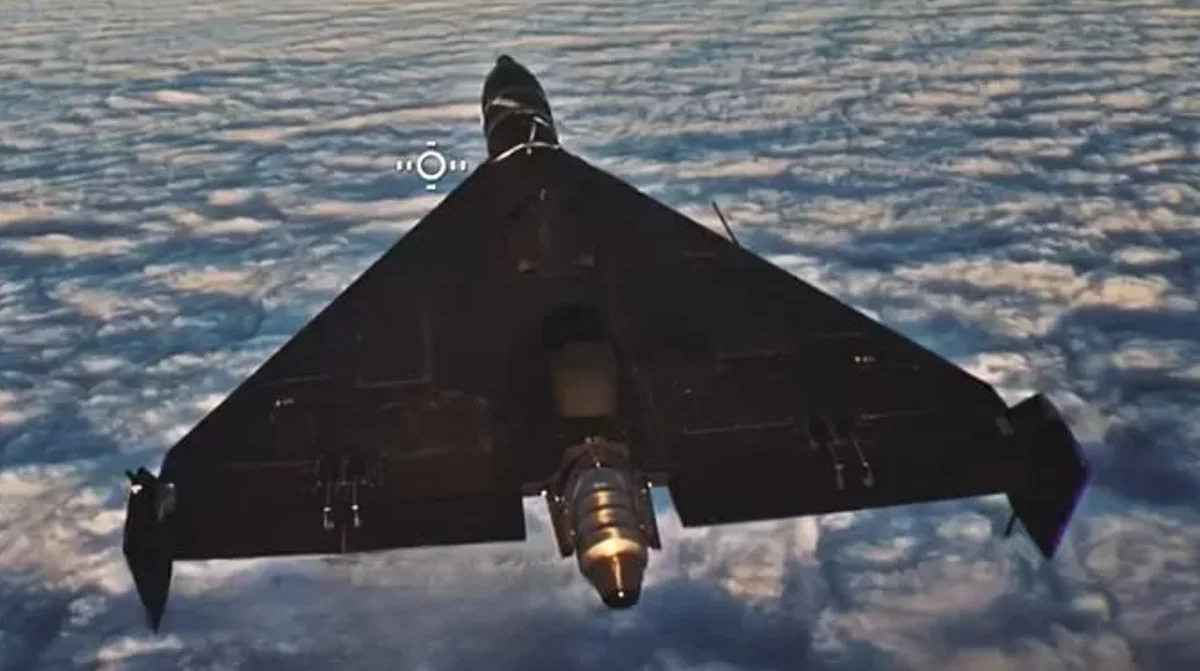
One account identified the Russian target of a recent Ukrainian long-range strike as the Syzran oil refinery, while reporting that Russia is deploying Geran-5 jet drones capable of speeds of up to 600 kilometers per hour.
Ukraine successfully tested a new interceptor drone that destroyed a jet-powered Russian Shahed overnight, marking progress in the country's escalating air defense challenge. Market Screener reported that President Volodymyr Zelenskyy announced the test hit, though he cautioned that the interceptor's control system still needs refinement before full deployment. The breakthrough comes as Russia deploys faster Geran-5 jet drones capable of speeds up to 600 kilometers per hour, overwhelming traditional air defenses.
Ukraine is pursuing multiple strategies to defend against drone swarms while preserving scarce Western missiles. The country unveiled the RK-2PZ laser-guided surface-to-air missile, weighing 28.9 kilograms with a 6.1-kilogram warhead, which uses automated tracking to engage drones without expensive seekers. Meanwhile, Market Screener notes that only three to five of Ukraine's 67 manufacturers have demonstrated successful interceptor test results, highlighting the gap between production capacity and proven capability.
New Interceptor Clears First Major Test
The overnight successful intercept represents a critical milestone in Ukraine's homegrown air defense strategy. Zelenskyy stated on social media that while the Shahed was hit, "some aspects of controlling the interceptor still need to be refined." Armed Forces Commander-in-Chief Mykhailo Drapatyi briefed the president on the test results, with Defense Minister Yevhenii Khmara confirming that four distinct interceptor models are undergoing field trials, including a newly deployed system called Alexa Spatium.
The challenge is urgent. Russia launched approximately 2,850 jet-powered drone strikes in August 2026, up sharply from around 450 in June, according to Reuters. These fast-moving targets reduce warning time and exhaust Ukrainian air defenses. Zelenskyy has set an ambitious goal of producing 1,000 long-range strike drones daily to hit Russian manufacturing centers and offset the incoming threat.
Laser Missiles Offer Low-Cost Shield Strategy
The RK-2PZ represents Ukraine's effort to stretch limited Western air-defense stocks. Developed by state-owned Ukroboronprom from the Barrier anti-tank missile platform, the system integrates laser guidance, automatic optical target tracking, and proximity sensors into a single package. At just 28.9 kilograms, each RK-2PZ costs far less than Patriot or NASAMS interceptors, allowing Ukraine to defend against high-volume drone swarms without depleting scarce allied supplies.
Ukraine unveiled the RK-2PZ in September at the MSPO defense exhibition in Poland. The missile is integrated into upgraded Strela-10 launchers and new Desna platforms. Military analysts note that laser-guided systems provide an economically viable shield for routine drone threats, freeing Western interceptors for ballistic and cruise missile targets. The 1021st Anti-Aircraft Artillery Regiment already layers defenses using Gepard 1A2 guns, ZU-23-2 cannons, and dedicated interceptor drones like Sting and P1-Sun.
Production Capacity Falls Short of Demand
Market Screener reports that 67 Ukrainian companies have the capacity to mass-produce interceptor drones. However, only three to five manufacturers have demonstrated successful live-fire test results. This gap between capacity and proven performance underscores Ukraine's struggle to scale production fast enough. Zelenskyy has secured funding for accelerated development and testing of new interceptor models to close the gap.
The production bottleneck matters because Russia is not slowing its drone assault. The Geran-5 can reach speeds of 600 kilometers per hour and carry a 90-kilogram warhead with a range up to 1,000 kilometers. Ukraine's interception rate for jet variants has reportedly dropped to around 60%, making faster, more numerous interceptors essential. Scaling from tested prototypes to mass production remains the critical hurdle in the coming weeks.
Long-Range Strikes Target Russian Drone Production
Ukraine is combining air defense with offensive strikes to cut off the source of Russian drones. On September 15, Ukrainian forces hit the Syzran oil refinery in Samara Oblast and the Atlant Aero UAV facility in Taganrog. The refinery, with annual capacity of 8.9 million metric tons, has been damaged along with 42 percent of total Russian refining capacity, according to the Ukrainian General Staff.
Zelenskyy has emphasized that disrupting Russian oil revenues directly enhances Kyiv's diplomatic leverage in potential de-escalation talks. By hitting refineries and drone-assembly plants simultaneously, Ukraine aims to degrade both Russia's strike capacity and its ability to fund the war. The strategy of domestic air defense plus long-range strikes reflects Kyiv's shift toward self-reliance as it prepares for negotiations with Russia.
Sentiment
Mostly PositiveNEGATIVENEUTRALPOSITIVE
Publishers
33
Articles
155
Reach
188
A
AnonymousAuthor


