Supply Chain Stability
Singapore and Australia Sign Protocol to Strengthen Essential Supplies Trade and Prevent Disruptions
Anonymous
Key Points
1
The protocol includes a fast-track mechanism for early consultations if issues arise, enabling quicker dialogue to keep essential supplies flowing.
2
In addition to avoiding export restrictions, the protocol provides a formal review and withdrawal mechanism for measures that could affect essential supplies.
3
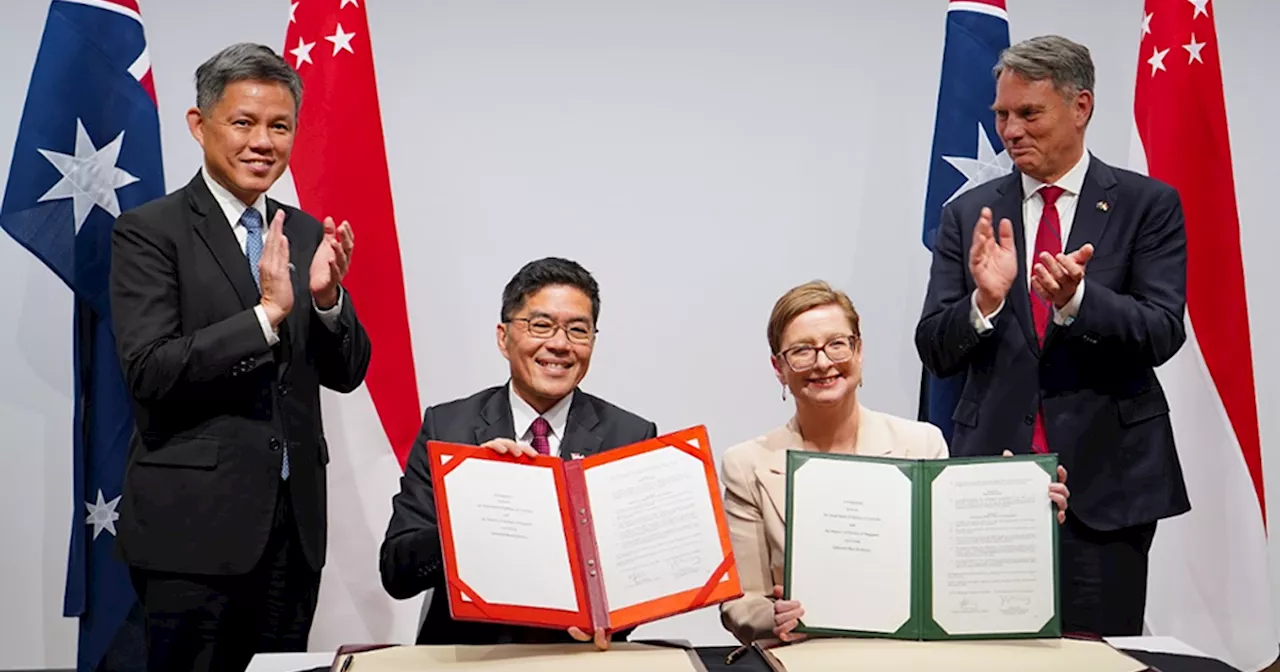
The signing occurred at the 15th Singapore-Australia Joint Ministerial Committee meeting in Adelaide, underscoring a long-standing SAJMC framework that dates back to 1996 (about 30 years of cooperation).
4
Energy and fuel ties are central: Singapore is Australia’s largest fuel supplier (around 55% of petrol, 15% of diesel, 23% of aviation fuel), while Singapore relies on imported natural gas for the vast majority of its electricity.
5
Trade context underscores the scale of the relationship: in 2024, bilateral goods trade was about S$30.3 billion, and Singapore is a major supplier of refined petroleum products to Australia.
Singapore and Australia have signed a landmark protocol locking in access to essential goods — including petroleum and liquefied natural gas — amid growing global supply-chain uncertainty. Head Topics reported the agreement was signed at the 15th Singapore-Australia Joint Ministerial Committee meeting in Adelaide, building on nearly 30 years of bilateral cooperation under the SAJMC framework.
The deal commits both countries to avoid placing export restrictions on agreed essential items. It also creates a fast-track consultation system so problems can be addressed before supplies are disrupted. IndexBox noted the protocol will be incorporated into the existing Singapore-Australia Free Trade Agreement once domestic procedures are completed.
Why Fuel Flows Between These Two Nations Matter
The energy stakes here are significant. Singapore is Australia's largest fuel supplier. Head Topics reported Singapore provides around 55% of Australia's petrol, 23% of its aviation fuel, and 15% of its diesel. That makes Singapore a critical lifeline for Australian transport and industry.
The relationship runs both ways. Singapore relies on imported natural gas for the vast majority of its electricity generation. Australian LNG exports help keep Singapore's lights on. In 2024, bilateral goods trade between the two countries reached about S$30.3 billion, according to Head Topics.
How the Protocol Keeps Essential Supplies Flowing
The protocol sets clear rules for both sides. Neither country can impose export restrictions on agreed essential goods without first triggering a formal review. IndexBox reported the agreement also includes a fast-track mechanism — an early consultation process that kicks in before a crisis gets worse.
The deal also creates the Australia-Singapore Economic Resilience Dialogue. This is a new standing forum for cooperation on energy security and critical supply chains. Think of it as a permanent hotline for trade emergencies. Head Topics described the protocol as a binding commitment to keep trade open during times of uncertainty.
Defence Cooperation Signed Alongside the Trade Deal
Trade was not the only item on the agenda in Adelaide. Singapore and Australia also signed an Industrial Base Resiliency Arrangement, or IBRA. Head Topics reported the IBRA is designed to strengthen defence industrial cooperation between the two countries' armed forces.
Together, the trade protocol and the IBRA signal that Singapore and Australia see their partnership as much more than commerce. The two agreements cover energy, supply chains, and defence — a broad foundation for strategic trust as global tensions rise.
Leaders Frame Deal as a Strategic Trust Milestone
Both governments presented the signing as a turning point. Leaders from Singapore and Australia highlighted the protocol as proof of their shared commitment to reliable, resilient trade. Head Topics described the deal as a significant milestone in deepening strategic trust between the two nations.
The timing matters. Global supply chains have faced repeated shocks in recent years — from the COVID-19 pandemic to geopolitical conflicts. The protocol gives both countries a formal playbook to manage the next disruption before it becomes a crisis.
Sentiment
Mostly PositiveNEGATIVENEUTRALPOSITIVE
Publishers
11
Articles
12
Reach
23
A
AnonymousAuthor


