Tour Removal Apology
Ed Sheeran Apologizes For Macklemore Tour Removal Amid Gaza Controversy
Anonymous
Key Points
1
Sheeran said he has never wanted to be an activist musician and emphasized that his concerts are intended to be a safe space for people of all backgrounds. He said honoring his commitment to fans was why he continued the Philadelphia show despite performing without the withdrawn opening acts.
2
Paloma Faith said she tells her children—aged nine, six and six months—“Free Palestine” every night and argued that children should be exposed to politics. She also objected to describing the Gaza war as a “conflict,” saying the term failed to convey what she called an “eradication.”
3
Ken Casey argued that promoters should not dictate what happens at a show because “the promoter is not what the people come to see.” He recalled Dropkick Murphys performing politically charged material at Oklahoma’s Rocklahoma festival even though about half the audience walked away and the band risked angering the site’s owner.
4
Aaron Rowe said he believed the decision to remove Macklemore was made in a panic because Sheeran’s team was receiving pressure “from all angles.” While calling the removal a mistake, Rowe said he had not spoken much with Sheeran and nevertheless believed Sheeran understood that the decision was wrong.
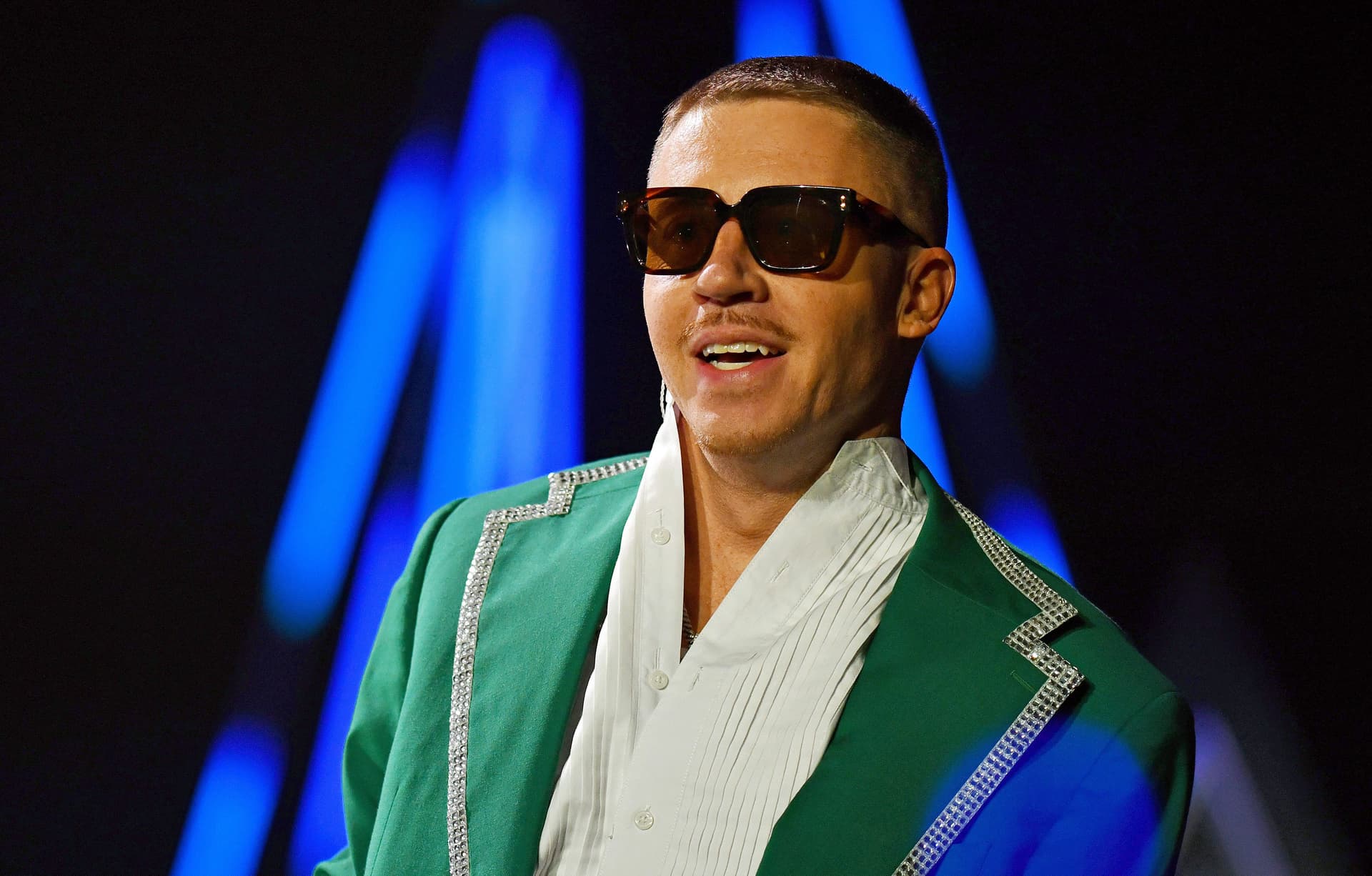
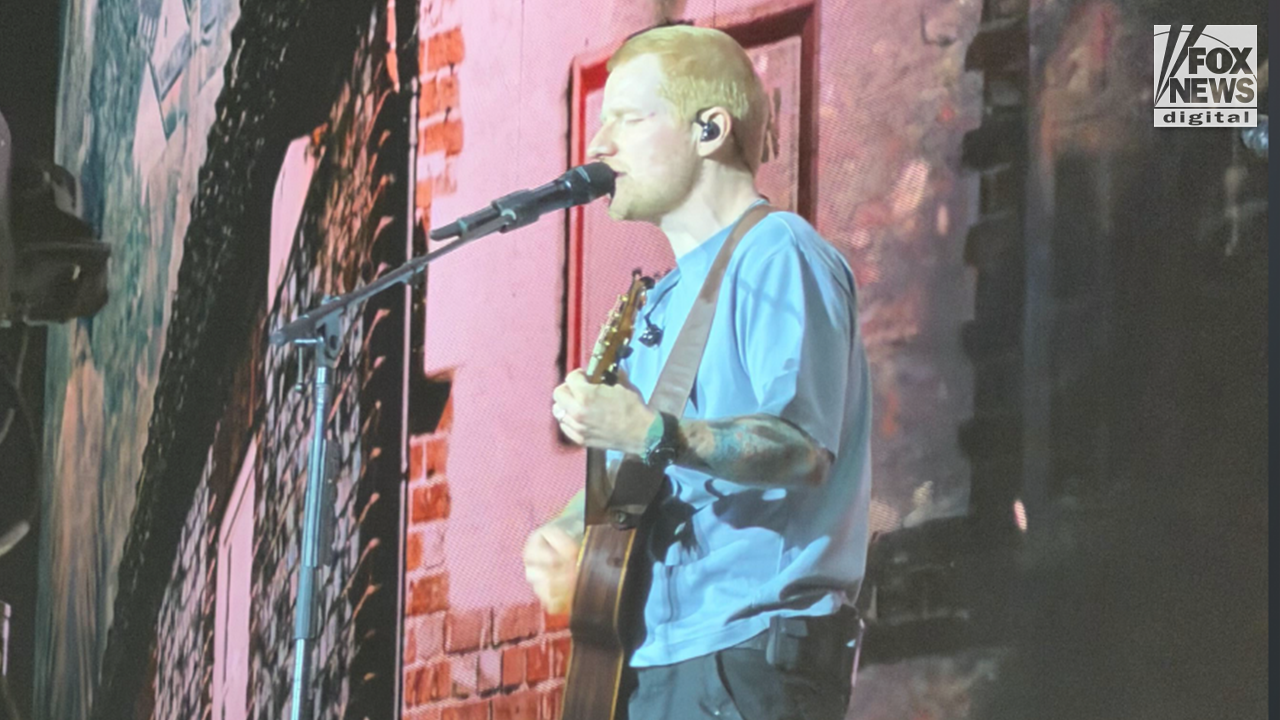
Ed Sheeran apologized at his Philadelphia concert for how his team handled Macklemore's removal as a tour opener, calling the Gaza war "catastrophic and unjustifiable." Fox News reported that Sheeran explained the decision came from his promoter, Messina Touring Group, under pressure from venues and New England Patriots owner Robert Kraft—not from him directly.
The controversy sparked a larger debate about artistic freedom. Multiple artists including Aaron Rowe, Finneas, and Lukas Graham left the tour in protest. Some, like Brisbane Times noted Ken Casey of Dropkick Murphys, argued that headliners—not promoters—should control who performs onstage.
Sheeran's Apology and the Promoter's Role
Sheeran said he never wanted to be an activist musician and views his concerts as safe spaces for all people. But Brisbane Times reported he labeled Gaza's war as "catastrophic and unjustifiable," signaling personal disagreement with Macklemore's removal. He explained his promoter made the call under pressure from venues and Kraft, warning against venues pre-approving performers' political views.
Sheeran continued the Philadelphia show despite opening acts withdrawing. Fox News covered his speech where he described the difficult position venues placed him in. He stressed concerts should not become battlegrounds for political approval.
Artists Walk Out Over Political Suppression Concerns
Aaron Rowe and other performers abandoned the tour, viewing Macklemore's removal as wrongful censorship. Rowe believed Sheeran's team panicked under "pressure from all angles" but said Sheeran personally understood the decision was a mistake. Rowe called for scrutiny of Kraft and groups he accused of suppressing pro-Palestinian speech.
Finneas, Lukas Graham, and Beoga also left in protest. The departures highlighted tensions between what artists can say and what venues allow. Brisbane Times noted the dispute expanded from one removal into questions about who controls concert content.
Fellow Musicians Clash Over Accountability
Ken Casey of Dropkick Murphys challenged the entire system. "The promoter is not what the people come to see," he said, arguing headliners must own their lineups. He recalled his band playing politically charged material at Oklahoma's Rocklahoma despite risking the owner's anger—and half the crowd walking out.
Paloma Faith took a sharper stance, criticizing Sheeran for not speaking stronger on Gaza. She told her three young children "Free Palestine" nightly and insisted children should hear politics. Faith also rejected calling Gaza a "conflict," saying it masked what she called an "eradication."
Bigger Questions About Artistic Independence
The Macklemore row exposed deeper fractures in live music. Demonstrators protested outside Philadelphia, and debate raged over who decides what artists say onstage. Should promoters? Venues? Wealthy owners? The incident revealed how political speech in entertainment now triggers intervention from money and power.
Sentiment
Mostly NegativeNEGATIVENEUTRALPOSITIVE
Publishers
19
Articles
31
Reach
50
Topics
A
AnonymousAuthor