Hari Singh Tributes
Jammu and Kashmir leaders honor Maharaja Hari Singh on his birth anniversary.
Anonymous
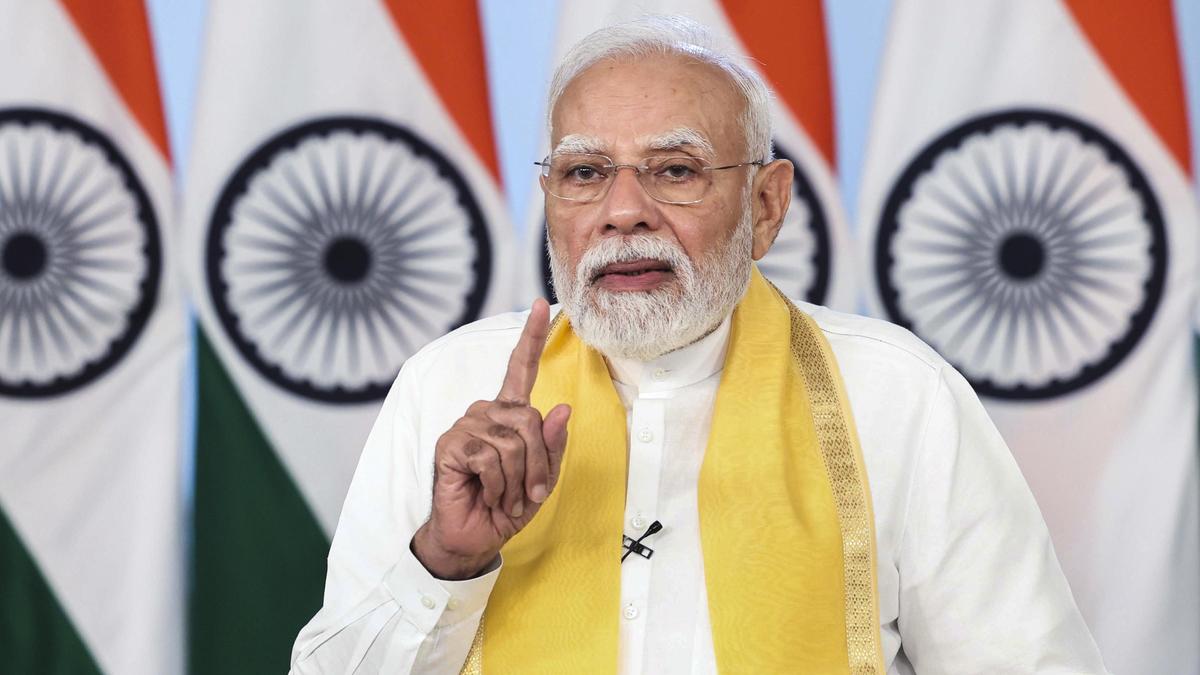
Jammu and Kashmir marked Maharaja Hari Singh’s birth anniversary with tributes from Lieutenant Governor Manoj Sinha, BJP leaders and legislators. Sinha called him an enlightened statesman and progressive thinker whose emphasis on public service, equality and inclusive development remains relevant. BJP leaders highlighted reforms associated with his rule, including compulsory education, expanded female education, abolition of untouchability, restrictions on child marriage and protections for women. They also credited Hari Singh with promoting equal treatment across religious communities and signing the Instrument of Accession to India in 1947, describing that decision as central to Jammu and Kashmir’s place in India. Hari Singh, who ruled the former princely state from 1925, is remembered through public events across the region, where his social and administrative legacy remains a subject of political discussion.
Key Points
1
The BJP tribute event was held at its Jawahar Nagar headquarters in Srinagar and included J&K BJP General Secretary (Organisation) Ashok Koul, Waqf Board Chairperson Darakhshan Andrabi, MLAs and senior party leaders, who paid floral tributes.
2
Leaders recalled Hari Singh’s assertion after ascending the throne: “As a ruler, I have no religion, all religions are mine and my religion is justice,” a formulation used to underscore his stated commitment to religious impartiality.
3
The reforms attributed to Hari Singh included the Compulsory Primary Education Act of 1930, the creation of government “Jabri” schools with mandatory attendance, and a dedicated department under a deputy director to promote female education.
4
He also introduced protections for permanent residents’ local jobs, land and property rights, aimed at preventing outside influx into Jammu and Kashmir.
5
The reports specify that Hari Singh signed the Instrument of Accession on Oct. 26, 1947, during tribal incursions, and identify his birth anniversary as a public holiday in Jammu and Kashmir; he was born on Sept. 23, 1895, and succeeded to the throne in 1925.
Sentiment
Mostly PositiveNEGATIVENEUTRALPOSITIVE
Publishers
27
Articles
54
Reach
81
Topics
A
AnonymousAuthor


