EU Sanctions Stalled
Latvia blocks EU sanctions renewal over proposed delistings of prominent Russian oligarchs.
Anonymous
Key Points
1
The dispute over the individual listings does not affect the EU’s separate sectoral sanctions targeting the Russian economy, which would remain in force even if the personal sanctions list lapsed.
2
The sanctions list includes Russian President Vladimir Putin and Foreign Minister Sergei Lavrov, in addition to other oligarchs and Russia-linked organizations.
3
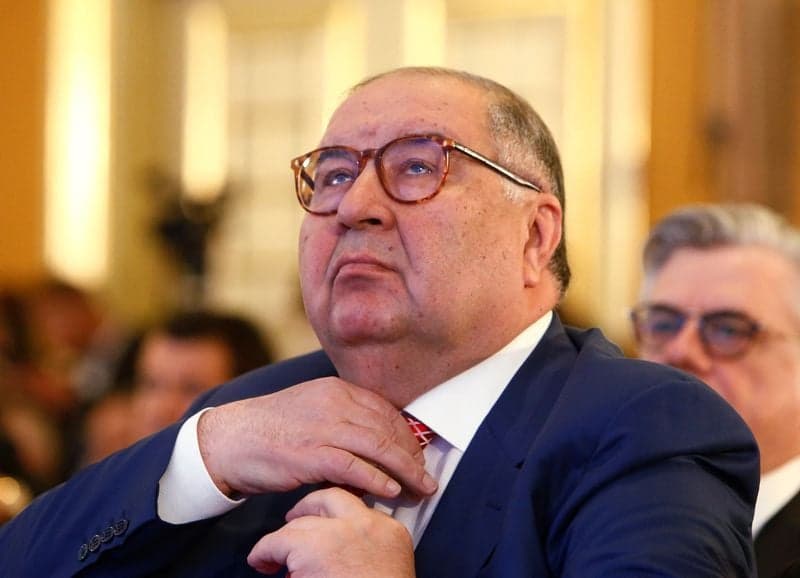
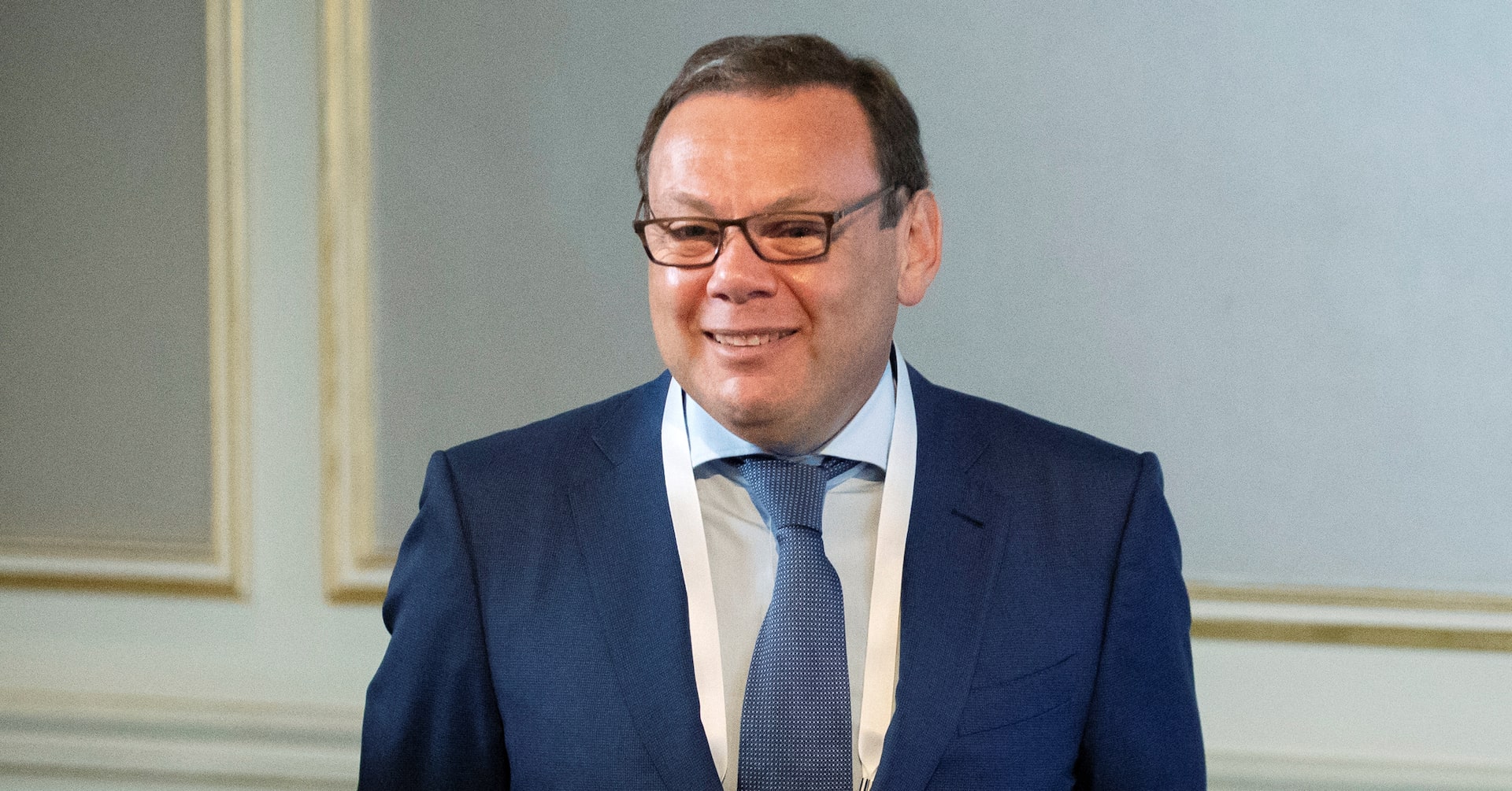
Usmanov had already lost EU court challenges to his designation in both 2024 and 2025; Fridman won a major 2024 case, but remained sanctioned after the EU updated its listing criteria with additional evidence.
4
EU diplomats warned that failure to reach unanimity could severely undermine the bloc’s sanctions regime because the entire individual-sanctions list—not just the measures against Usmanov and Fridman—could lapse at once.
5
Tsikhanouskaya also argued that the proposed U.S. potash purchase would be risky because it would amount to investing in Lukashenko’s regime while Belarus continues domestic repression and the war in Ukraine continues; Lukashenko has ruled Belarus since 1994 and is a close ally of Moscow.
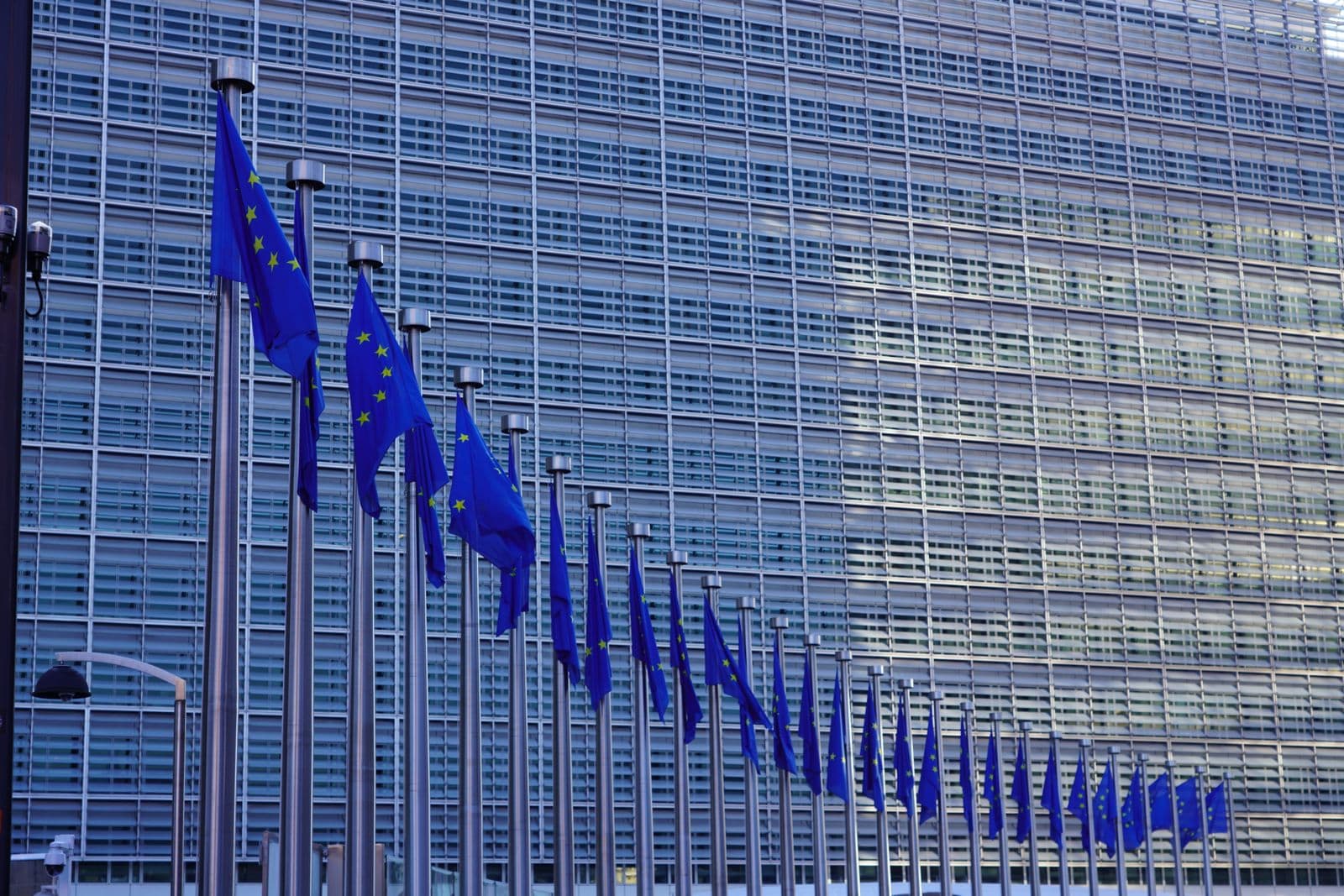
The EU's push to renew sanctions against nearly 3,000 Russia-linked targets hit a wall on September 21 when Latvia blocked unanimous approval. Kyiv Independent reported that ambassadors reconvened hours before the midnight deadline to hammer out a deal that would remove asset freezes and travel bans on billionaires Alisher Usmanov and Mikhail Fridman while extending sanctions on everyone else for three years.
The disagreement threatens to unravel the entire individual sanctions list—covering Putin, Foreign Minister Sergei Lavrov, and thousands of others—unless all 27 EU member states agree. Reuters noted that sectoral sanctions on Russia's economy would survive any lapse, but losing the personal designations would be a symbolic and practical blow to Europe's punishment of Moscow.Euractiv warned that failure to reach unanimity could severely undermine the bloc's sanctions regime.
Why France and Slovakia Push Delisting
France and Slovakia have backed removing both oligarchs from the list. France's support stems partly from diplomatic ambitions: the country hopes delisting Usmanov might help secure the release of French nationals detained in Azerbaijan, according to multiple reports. Slovakia has also advocated for their removal, though its motivations remain less publicized.
The two men have a mixed legal record. Reuters reported that Usmanov lost EU court challenges to his designation in both 2024 and 2025. Fridman won a major 2024 case but remained on the list after the EU updated its listing criteria with additional evidence of his ties to Moscow.
Ukraine and Latvia Oppose the Compromise
Ukraine has condemned the delisting proposal as a damaging signal to Moscow at a critical moment in the war. Kyiv views any rollback of sanctions as an unacceptable concession that weakens Western resolve. Latvia, by blocking consensus, has effectively halted the entire renewal process.
The stakes are enormous: if all 27 member states cannot agree by midnight, the personal sanctions list lapses entirely. The individual-target sanctions are separate from EU sectoral measures against Russia's economy, which would remain intact. But losing the personal list would embarrass Brussels and remove travel bans and asset freezes on Putin allies.
Belarusian Opposition Warns US on Potash Trade
While EU diplomats wrestle with the delisting fight, Belarusian opposition leader Sviatlana Tsikhanouskaya has urged the United States not to purchase Belarusian potash. Newsy Today reported that Tsikhanouskaya warned any such trade would funnel money to dictator Alexander Lukashenko and indirectly support Russia's war machine.
Tsikhanouskaya emphasized that the potash deal would amount to investing in Lukashenko's regime while Belarus continues domestic repression and the war rages. Lukashenko has ruled Belarus since 1994 and remains a close Moscow ally. Sanctions are meant to isolate both countries, not create new trade loops that enrich their leaders.
Sentiment
Mostly NegativeNEGATIVENEUTRALPOSITIVE
Publishers
84
Articles
271
Reach
355
A
AnonymousAuthor