Meta's Slim Headset
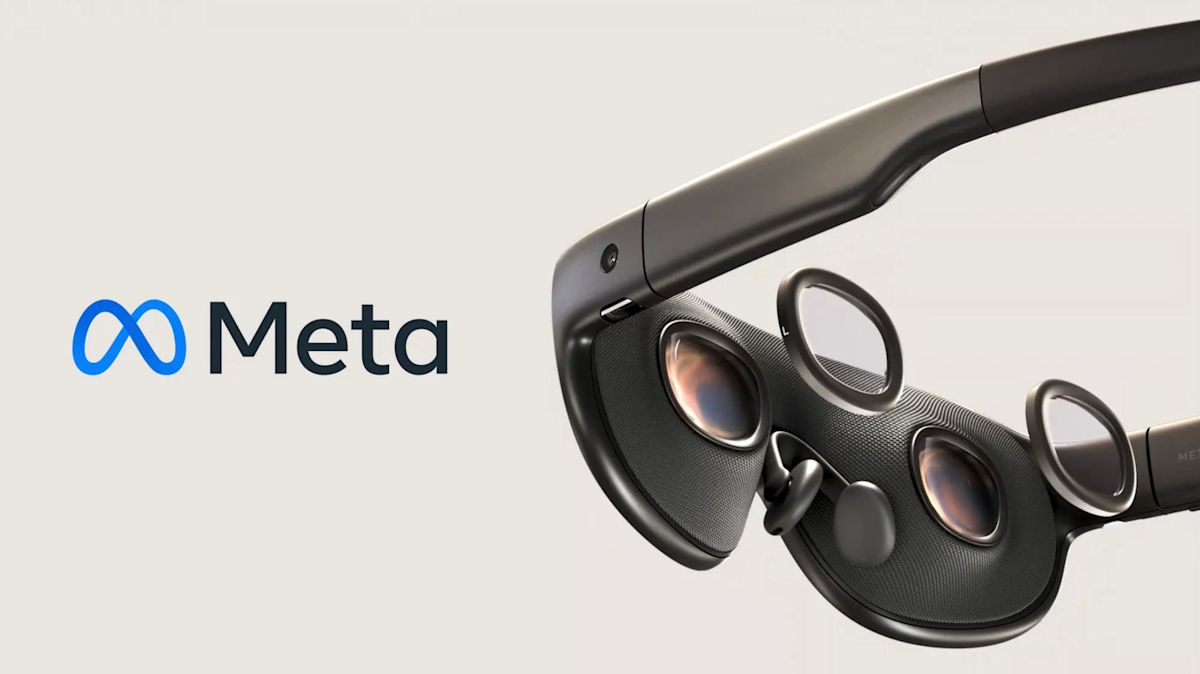
Leaked firmware reveals Meta's ultralight Project Phoenix mixed-reality headset design.
Anonymous
Key Points
1
The leaked images reportedly show a QR-code card being held in front of the headset, suggesting that scanning a code could be part of Phoenix’s setup process. The firmware also illustrates how prescription inserts attach in front of the headset’s built-in lenses.
2
Project Phoenix has reportedly gone through several earlier codenames—including Puffin, Loma and Stanley—indicating that the current slim design followed multiple prototype iterations.
3
The leaked HorizonOS Prescription Lens package was reportedly released in August with little visible content, then updated in September to include the images; Meta subsequently removed the app.
4
Reports suggest Meta may be prioritizing Phoenix’s ultralight form factor over conventional successors to the Quest line, marking a strategic move away from progressively bulkier standalone VR hardware.
5
Unlike Meta’s transparent-display smart-glasses efforts, Phoenix is expected to use the Quest-style approach of capturing the outside world with cameras and displaying an XR passthrough view to the wearer.
Meta's upcoming mixed-reality headset, dubbed Project Phoenix, leaked through firmware images showing a slim, glasses-like design that weighs under 110 grams—less than a quarter of the Quest 3's 515 grams. Digital Trends reported that the device features independently adjustable lenses, removable prescription inserts, and connects via cable to an external computing puck that houses processing and battery components. The headset could debut at Meta Connect on September 23, 2026, though launch is reportedly not expected until 2027.
The leaked images, discovered in Meta's HorizonOS Prescription Lens firmware released in August and updated in September, reveal temple cameras designed for controller-free hand tracking and camera-based passthrough. Yahoo Tech noted that Phoenix appears positioned between lightweight smart glasses and conventional VR headsets, potentially competing with devices from Xreal, Viture, and Google. Meta has not officially confirmed the device's name, capabilities, or price.
Design Details Show Multiple Prototype Iterations
Project Phoenix reportedly went through several earlier codenames—including Puffin, Loma, and Stanley—before settling on the current slim design. The leaked firmware images show prescription inserts attaching in front of the headset's built-in lenses and a QR-code card setup process. Archynetys reported that the design prioritizes comfort and wearability over the progressively bulkier standalone VR hardware that defined Meta's Quest line.
External Puck Reduces Weight at a Trade-Off
By moving processing and battery components off the headset itself and into a separate tethered puck, Meta cuts face weight dramatically. The cable attachment and need to carry a separate device introduce usability constraints, but enable the ultra-lightweight form factor. This design choice signals Meta's shift away from all-in-one VR headsets toward comfort-first wearables that users can wear for longer periods without strain.
Camera-Based Passthrough Over Transparent Displays
Unlike Meta's transparent smart-glasses efforts, Phoenix uses cameras to capture the outside world and display an XR passthrough view—the same approach as Quest 3. Temple cameras pointing outward and downward enable controller-free hand tracking for everyday interactions. Crypto Briefing noted that this camera-based system places Meta in direct competition with emerging glasses-style XR products already hitting the market.
A Strategic Pivot From Heavy VR to Lightweight Mixed Reality
Phoenix represents Meta's deliberate repositioning away from powerful-but-bulky VR devices toward wearable mixed-reality glasses. By targeting the gap between transparent smart glasses and full VR headsets, Meta seeks a device suitable for both entertainment and brief everyday tasks. The reported design indicates the company believes the future of headsets lies in lightweight, comfortable hardware rather than raw computational power packed onto the face.
Sentiment
Mostly PositiveNEGATIVENEUTRALPOSITIVE
Publishers
19
Articles
16
Reach
35
Topics
A
AnonymousAuthor


