Russian Sabotage Plot Exposed
Germany Attributes Failed Airport Drone Attack to Russian Military Intelligence Service
Anonymous
Key Points
1
The incident occurred on Aug. 4 and investigators found debris from two additional drones near Leipzig/Halle Airport, in addition to the explosives-laden drone that was safely defused.
2
Andrei K. entered the Schengen area through Latvia on July 28, about a week before the attack; authorities described him as a “disposable agent,” reportedly a criminal recruited for the operation.
3
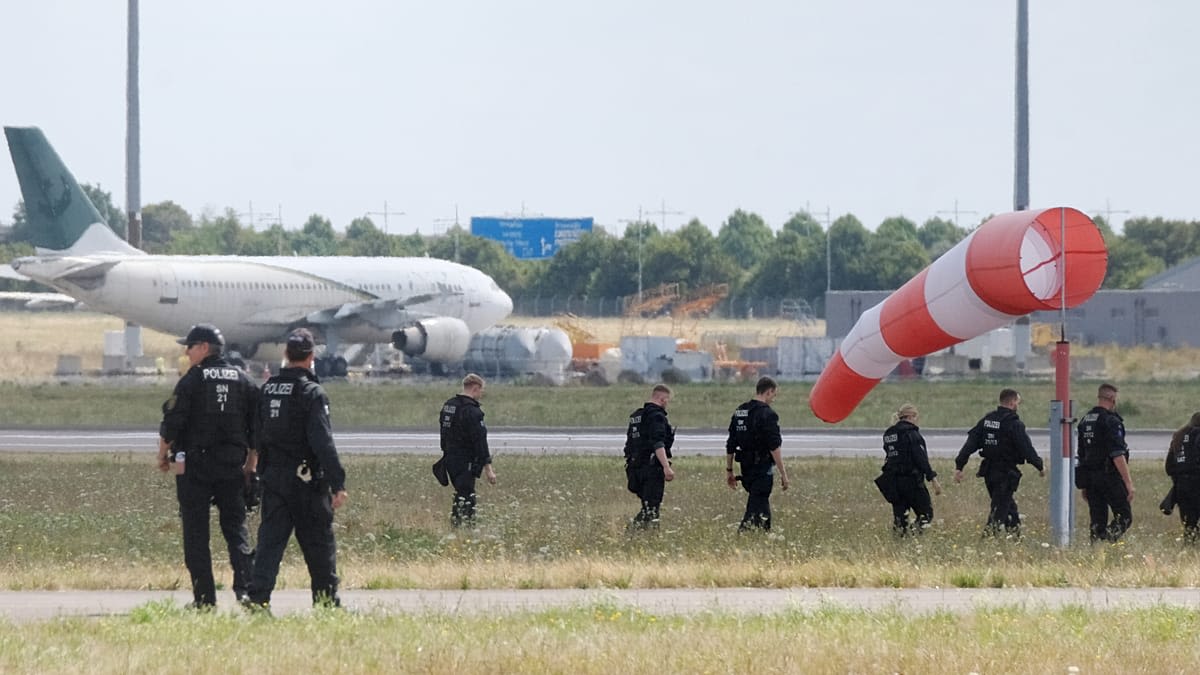
Leipzig/Halle is a major German air-cargo hub and has also been used for military logistics linked to support for Ukraine, adding strategic context to the choice of target.
4
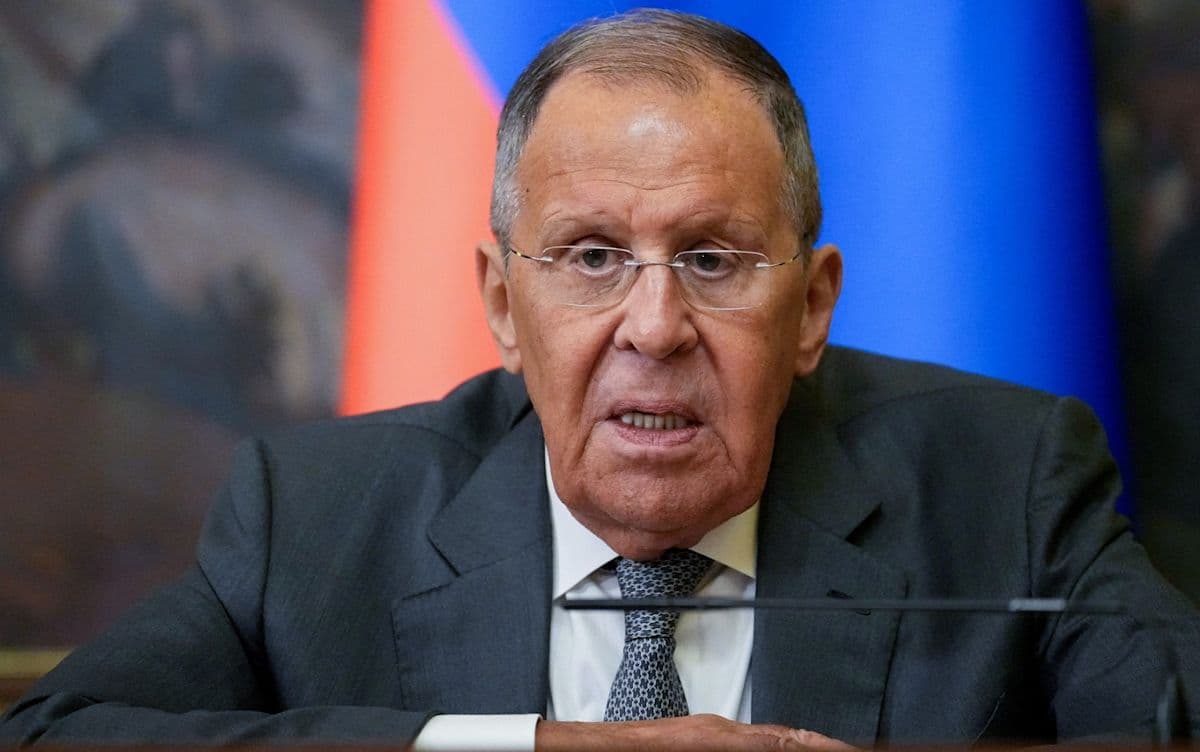
The evidence reviewed by Welt am Sonntag was significant enough for German Foreign Minister Johann Wadephul and Interior Minister Alexander Dobrindt to publicly attribute the attack to Russia—an unusual step in the case.
German investigators have identified two suspects in an August drone attack at Leipzig/Halle Airport that targeted a Ukrainian cargo plane. Welt am Sonntag reported that Russian citizen Oleg L. organized the operation while Belarusian citizen Andrei K. acted as the on-ground operative. Authorities believe the attack was directed by Russia's GRU military intelligence service, marking an unusual public attribution by German officials.
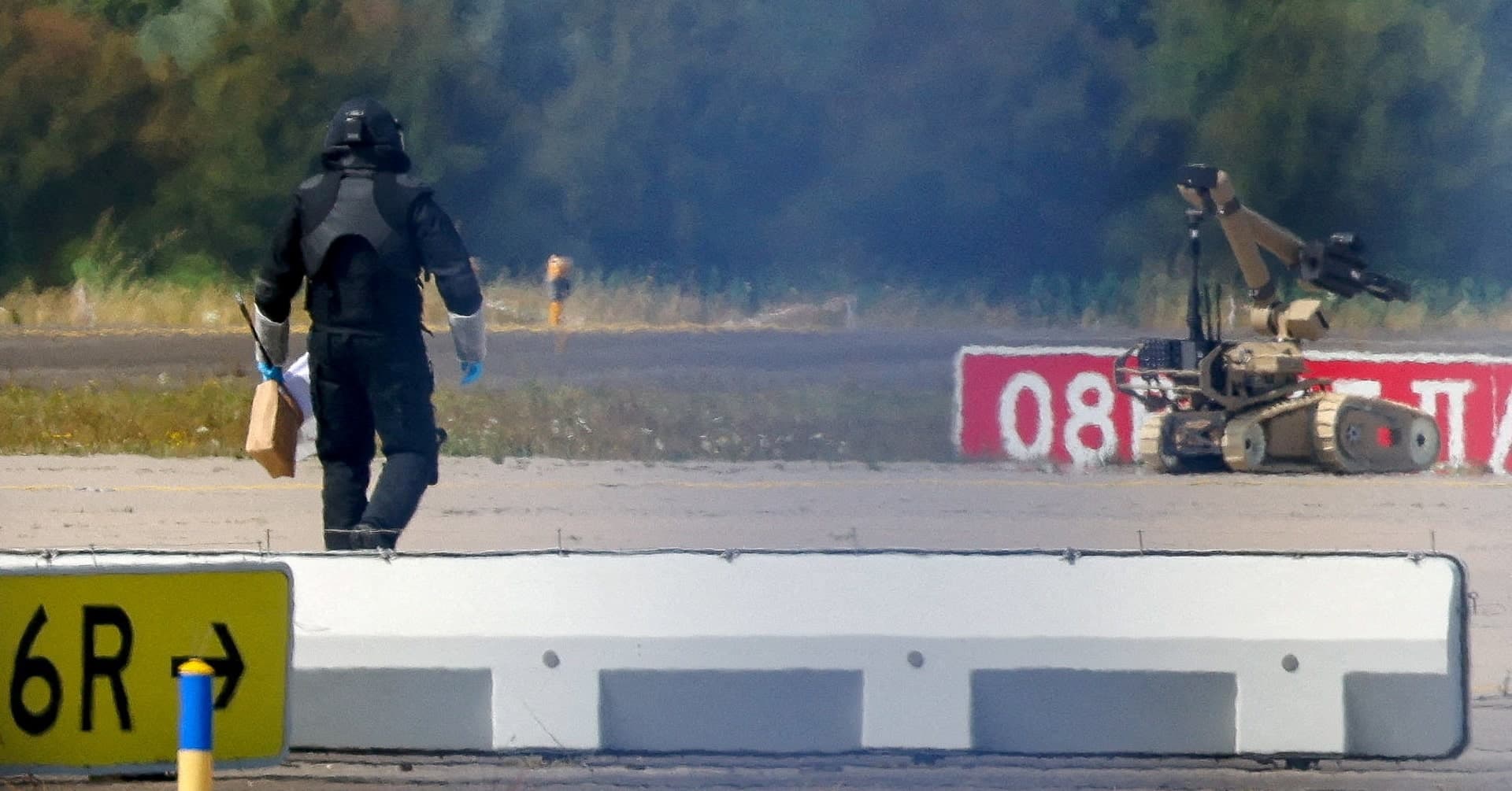
An explosives-laden drone was found near an Antonov aircraft on August 4 but failed to detonate. Investigators discovered debris from two additional drones at the airport, suggesting a coordinated three-drone operation. DNA evidence and forensic analysis reportedly link Andrei K. to the drone-control equipment and prior suspected sabotage cases across Europe.
How the Attack Was Allegedly Organized
Oleg L. entered Germany through Turkey and later traveled to Serbia, where authorities believe he coordinated logistics for the operation. German security officials say he has suspected ties to the GRU but note that German authorities did not place him under surveillance despite knowing of these alleged connections. He is now believed to be in Russia.
Andrei K. entered the Schengen area through Latvia on July 28, just over a week before the attack. Investigators described him as a 'disposable agent'—a criminal recruited specifically for this operation. His arrival and subsequent activities fit a pattern typical of one-time operatives deployed for high-risk missions.
The Explosives Route Through Eastern Europe
Investigative files show that explosives were smuggled through Bulgaria and Serbia before reaching Germany. The explosives were concealed inside a food can, a common smuggling technique used to evade detection at borders. The choice of route suggests a deliberate effort to avoid Western European security checkpoints.
The failed detonation prevented the attack from succeeding, though the reasons for the malfunction remain unclear. The discovery of multiple drones and sophisticated concealment methods indicate this was not a hastily planned operation but rather a well-resourced, multi-stage sabotage attempt.
Why Leipzig/Halle Airport Was a Strategic Target
Leipzig/Halle is a major German air-cargo hub and serves as a logistics center for military support to Ukraine. This connection makes it a high-value target for Russian intelligence seeking to disrupt Western aid flows. Striking the airport would have sent a message about Russia's ability to conduct operations inside NATO territory.
The public attribution by German Foreign Minister Johann Wadephul and Interior Minister Alexander Dobrindt represents an unusual step. Governments typically avoid naming intelligence agencies as perpetrators of specific attacks. The decision to go public signals Germany's confidence in the evidence and its willingness to openly challenge Russian operations on its soil.
Sentiment
Mostly NegativeNEGATIVENEUTRALPOSITIVE
Publishers
15
Articles
18
Reach
33
Topics
A
AnonymousAuthor