Briton among 119 rescued in Nepal after floods
Briton among 119 rescued in Nepal after floods
Anonymous
Key Points
1
Region-wide rescue numbers indicate a far larger relief effort than the local death toll would suggest: officials say more than 11,000 people have been rescued across the affected region, including about 330 foreign nationals, with thousands still missing and 36 British nationals reported missing.
2
Hydropower tunnel search operations remain a critical focus: about 279 people have been rescued from tunnel sites, while more than 600 workers are believed trapped inside the vast network of mud-filled tunnels along the Trishuli River.
3
Seismic analysis points to a landslide-derived event rather than a pure earthquake: the US Geological Survey assessed a magnitude-5.2 seismic event near the Nepal–Tibet border caused by a glacial collapse and debris flow.
4
Geographic context: the floods struck in Rasuwa district, located just north of Kathmandu, underscoring the border-region nature of the disaster.
A British national was rescued in Nepal on Tuesday, nearly a week after devastating glacier-collapse floods killed more than 1,000 people on the Nepal-Tibet border. The Guardian reported that the rescue brought 119 people to safety — 118 Nepali nationals and one unidentified British man — as search teams continue pulling survivors from mud-filled hydropower tunnels where hundreds remain trapped.
The disaster has sparked one of Nepal's largest relief efforts. According to Yahoo News, more than 11,000 people have been rescued across the affected region, with 36 British nationals still missing and roughly 600 workers believed trapped inside tunnel networks along the Trishuli River.
Glacier Collapse Triggered the Border Floods
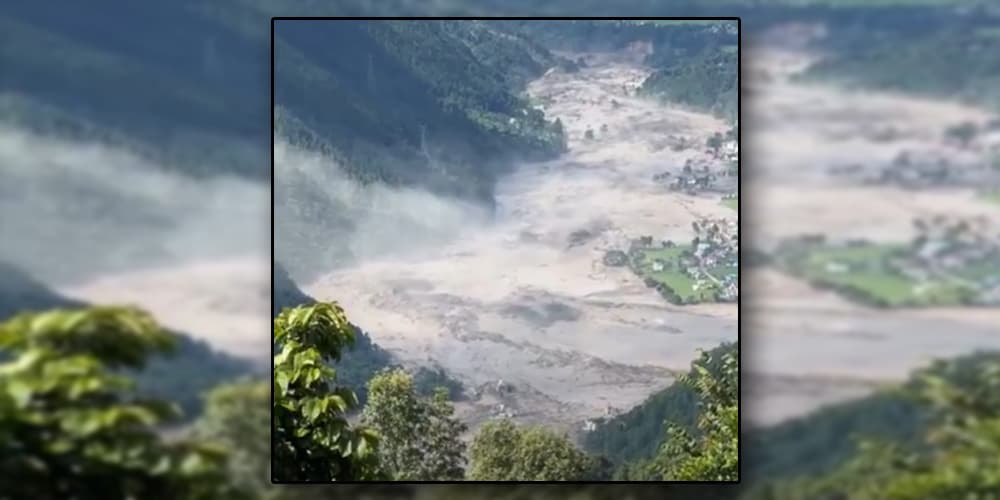
The floods began when a glacier collapsed near the Nepal-Tibet border, generating a massive debris flow that swept through Rasuwa district, just north of Kathmandu. The Guardian confirmed that the US Geological Survey recorded a magnitude-5.2 seismic event caused by the glacial collapse and debris flow. This was not an earthquake in the traditional sense but a landslide triggered by glacier failure.
Hundreds Trapped Inside Hydropower Tunnels
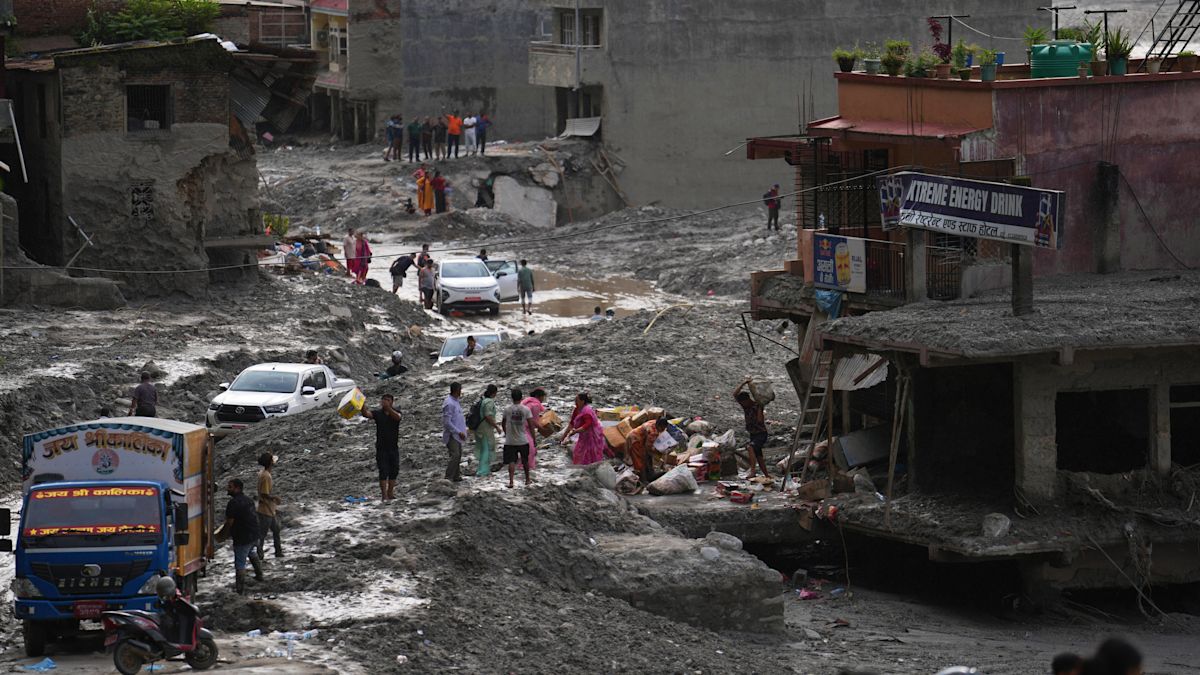
The Trishuli River is dotted with hydropower facilities built into massive underground tunnel networks. When the floodwaters hit, workers inside became trapped by mud and debris. Yahoo News reports that about 279 people have been rescued from these tunnels so far, but more than 600 workers remain missing inside the mud-filled passages. Rescue teams continue focusing on the tunnel networks as a critical priority.
International Teams Lead a Massive Search Operation
Nepal's Nepali Army is coordinating rescue efforts with help from China, India, South Korea, and Australia. Bracknell News noted that the UK rapid deployment team has also arrived to support British nationals caught in the disaster. The scale is extraordinary: more than 11,000 people rescued, with thousands still unaccounted for and operations ongoing across multiple sites.
The Death Toll Continues Rising
The Guardian confirmed that more than 1,050 people have died in the floods, with thousands missing. The British Foreign Office is monitoring the situation closely and tracking the 36 British nationals reported missing. The rescue of one British man on Tuesday offers some hope, but officials warn the situation remains precarious as search teams race against time in the unstable terrain and flooded tunnels.
Sentiment
Mostly NegativeNEGATIVENEUTRALPOSITIVE
Publishers
11
Articles
32
Reach
43
A
AnonymousAuthor