Hope Nurtured in West Bank
New Documentary 'House of Hope' Shows Waldorf School's Resilience in Occupied West Bank
Anonymous
Key Points
1
The school featured in the documentary is officially named House of Hope Vision Kindergarten & School, highlighting its formal identity alongside the Waldorf approach.
2
Director Marjolein Busstra says she first met Manar Wahhab 18 years ago during a film workshop in the West Bank, framing a long-standing relationship at the heart of the film.
3
Wahhab trusted the film crew because of their existing friendship, which helped her feel comfortable sharing vulnerable moments on camera.
4
"The school protects the children’s dignity in the present moment. It’s more about refusing to let occupation shape their inner world, so that they can actually be children and have agency," Busstra said.
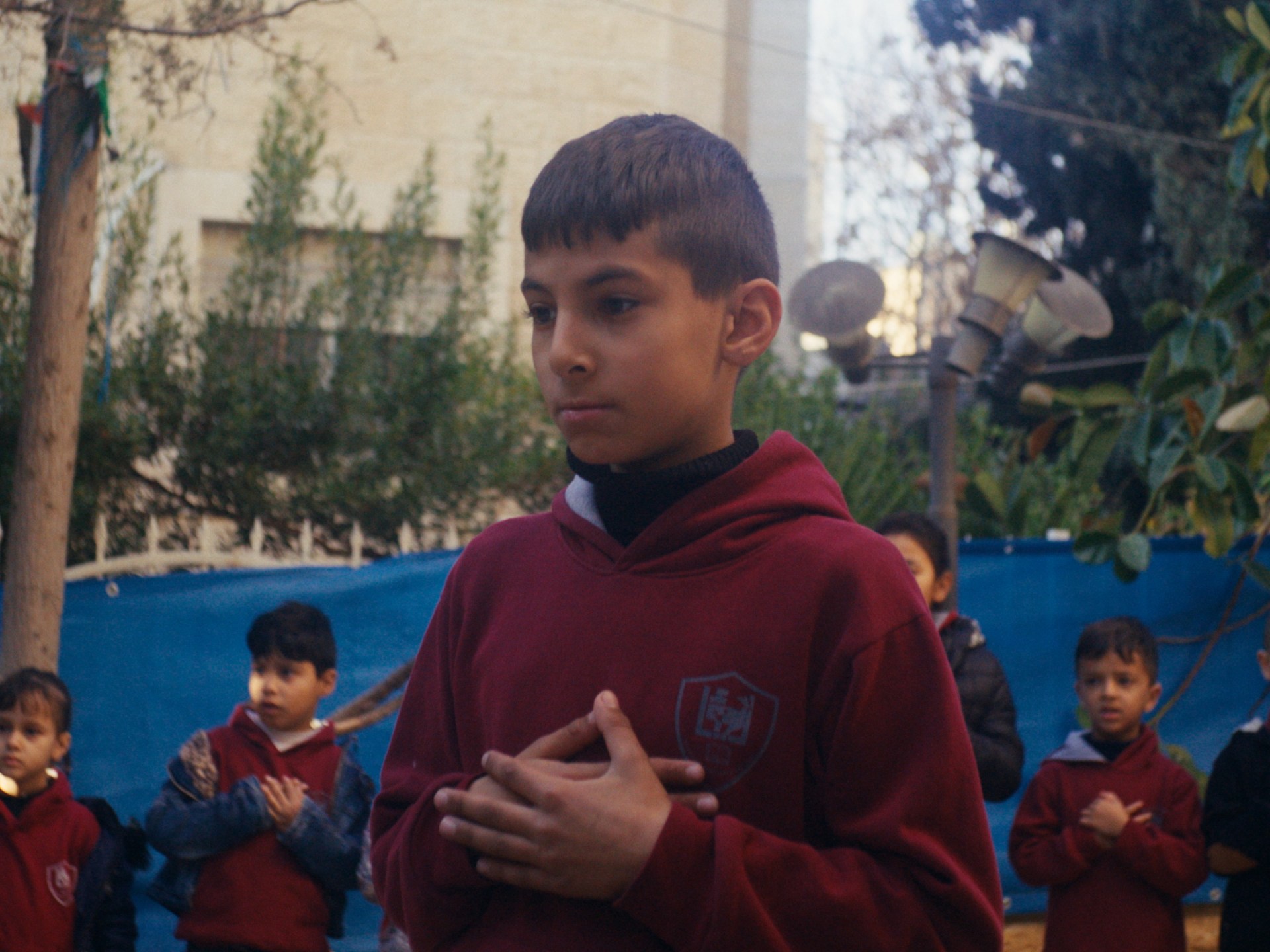
A new documentary called House of Hope puts a Palestinian school founder at its center, showing how she fights to protect children's childhoods under occupation. The film follows Manar Wahhab and her husband, Milad Vosgueritchian, who built a Waldorf-inspired school in al-Eizariya, a town in the occupied West Bank, according to Al Jazeera.
The school is officially named House of Hope Vision Kindergarten & School. Director Marjolein Busstra spent three years making the film, visiting the West Bank nine times with a Palestinian crew to tell Wahhab's story.
An 18-Year Friendship That Made the Film Possible
Busstra first met Wahhab 18 years ago at a film workshop in the West Bank. That long friendship became the foundation of the documentary. Wahhab trusted the crew because she already knew them, Al Jazeera reported. That trust let her share private and vulnerable moments on camera.
Most documentaries about Palestinian life focus on conflict and politics. Busstra chose a different path. She centered the film on Wahhab's inner world — her feelings, her strength, and her daily choices as a mother and educator.
Waldorf Philosophy as a Form of Resistance
Waldorf education focuses on creativity, emotional growth, and respecting each child's pace. At House of Hope, this approach is also a political act. Busstra said the school refuses to let occupation define how children see themselves. "The school protects the children's dignity in the present moment," she said.
Busstra put it plainly: "It's more about refusing to let occupation shape their inner world, so that they can actually be children and have agency." The school teaches kids to express themselves rather than simply survive. That, the film argues, is a form of non-violent resistance.
Balancing Family Life and School Under Occupation
The documentary does not stay inside the classroom. It also shows Wahhab and Vosgueritchian at home, raising their own children while running the school. The film captures how the couple tries to keep normal family life intact even as violence and trauma surround them, according to Al Jazeera.
That balance is central to the film's message. Wahhab is not just a symbol. She is a person navigating real pressures every day. Showing both roles — parent and school founder — gives the film its human weight.
A Three-Year Project Built on Sustained Commitment
Making House of Hope took serious dedication. Busstra and her Palestinian crew made nine trips to the West Bank over three years, according to Al Jazeera. That level of access is rare. It allowed the film to capture change over time — in the school, in the children, and in Wahhab herself.
The film invites audiences to witness what occupation looks like through one woman's daily choices. It is not about despair. It is about what it means to hold onto hope when the odds are against you.
Sentiment
Mostly NegativeNEGATIVENEUTRALPOSITIVE
Publishers
14
Articles
4
Reach
18
Topics
A
AnonymousAuthor