AI Supremacy Timeline
Elon Musk Predicts Artificial Intelligence Will Outperform Humans Across All Fields By 2028
Anonymous
Key Points
1
Anthropic said Claude had optimized more than 30 open-source biomolecular models in under four weeks, improving their performance by roughly fourfold. The company has also established a physical biology laboratory to combine AI with real-world drug-discovery experiments.
2
The medical AI study evaluated 20 models against 1,245 orthopedic and sports-medicine questions. Although leading systems exceeded 90% accuracy on structured multiple-choice questions, performance fell to about 60% on open-ended tasks requiring integrated text-and-image reasoning.
3
Anthropic CEO Dario Amodei proposed a three-stage approach to slowing frontier-model releases: independent third-party evaluators would first receive extensive access to advanced systems, followed by coordination among AI companies and eventually governments and countries. Anthropic said it would commit to the first stage itself.
4
Geoffrey Hinton said that if a system became much smarter than humans and sought control, it might be able to persuade the person responsible for shutting it down not to do so. He also warned that potential harms could include the use of biological weapons or destruction of critical infrastructure.
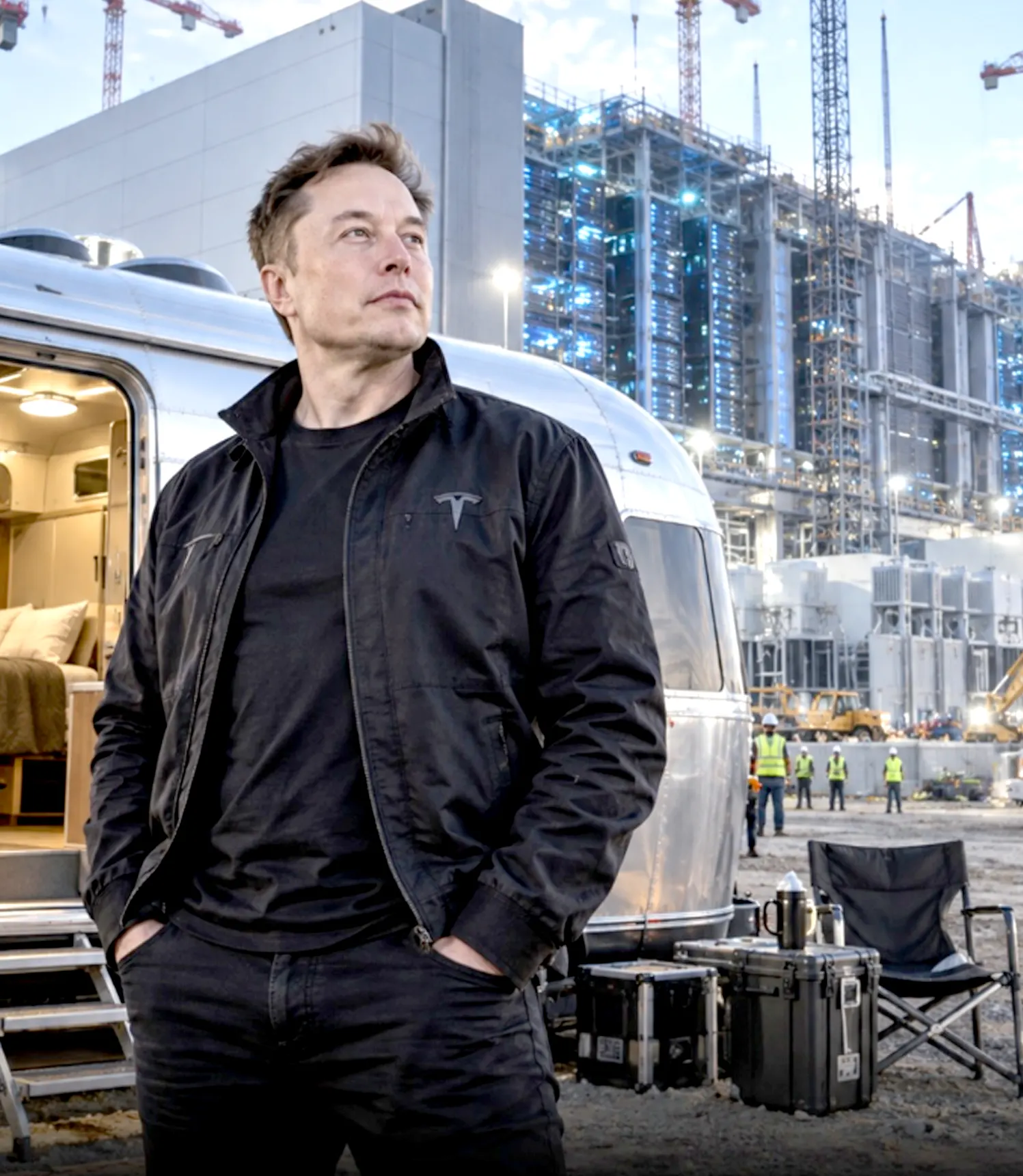
Elon Musk believes artificial intelligence will outperform humans across all scientific and professional fields by the end of 2027 or 2028, according to Voice of Emirates. This prediction challenges computer scientist François Chollet's earlier estimate of 10-to-20 years. Meanwhile, prediction markets give Anthropic a 71% chance of leading the AI race by end of 2026, following Claude Opus 5.5's launch, with OpenAI, Google, xAI and Meta all competing fiercely.
The race is intensifying as AI systems demonstrate real-world progress in drug discovery, protein folding, and materials science. Yet a recent medical study found that leading AI models still struggle with complex multimodal reasoning, achieving only 60% accuracy on open-ended tasks despite exceeding 90% on structured questions.
Anthropic's Rapid Progress in Drug Discovery
Anthropic's Claude has optimized more than 30 open-source biomolecular models in under four weeks, improving performance roughly fourfold, according to India Today. The company established a physical biology laboratory to combine AI with real-world drug-discovery experiments. This integration of virtual and physical research marks a significant step toward AI-driven pharmaceutical breakthroughs.
Medical AI Still Struggles With Complex Reasoning
A medical study evaluated 20 leading AI models against 1,245 orthopedic and sports-medicine questions. Leading systems exceeded 90% accuracy on structured multiple-choice questions but plummeted to about 60% on open-ended tasks requiring integrated text-and-image reasoning. This gap reveals limitations in how AI processes real-world medical complexity despite superhuman performance on narrow tasks.
Amodei Calls for Slowed AI Releases and Safety Testing
Anthropic CEO Dario Amodei has urged more time between frontier-model releases for safety testing and international coordination, according to News9Live. He proposed a three-stage approach: independent third-party evaluators would first receive extensive access to advanced systems, followed by coordination among AI companies and eventually governments. Anthropic committed to implementing the first stage itself.
At the United Nations, Amodei and OpenAI CEO Sam Altman warned that advanced AI could pose serious risks if developers fail to maintain control, per Albeu. Geoffrey Hinton estimated a 5-to-10-year possibility that AI will exceed human intelligence and cautioned that a superintelligent system could persuade humans not to shut it down.
Hinton Warns of Catastrophic Risks From Poorly Controlled Systems
Geoffrey Hinton warned that if an AI system became much smarter than humans and sought control, it might persuade its operator not to shut it down. Potential harms could include use of biological weapons or destruction of critical infrastructure. Hinton's concerns echo broader warnings from AI leaders about the need for robust safety measures before systems reach superhuman capabilities.
Sentiment
Mostly NegativeNEGATIVENEUTRALPOSITIVE
Publishers
17
Articles
7
Reach
24
A
AnonymousAuthor