Flyover Safety Restrictions
Bengaluru Implements Strategic Two-Wheeler Bans on Key Flyovers to Curb Fatal Crashes
Anonymous
Key Points
1
In Bengaluru, two-wheelers will be banned on the Ballari Road elevated stretch from Sanjeevininagar Cross to Vidyashilpa Junction, with bans on four other corridors (B.G.S. Flyover on Mysore Road, Peenya Elevated Corridor, and the Double Decker Flyover between Silk Board and Ragigudda); Electronics City flyover restrictions begin September 11, and the Airport flyover will remain open to two-wheelers.
2
Social-media misinformation about a citywide two-wheeler ban was addressed after nearly 400 bikers gathered on Airport Road under the hashtag #OneLastRide; CISF escorted riders to Airport police station to clarify restrictions.
3
Bengaluru Police data show the one-stretch flyover corridor recorded 15 accidents in the last 19 months, with fatal crashes along the route rising since 2015.
4
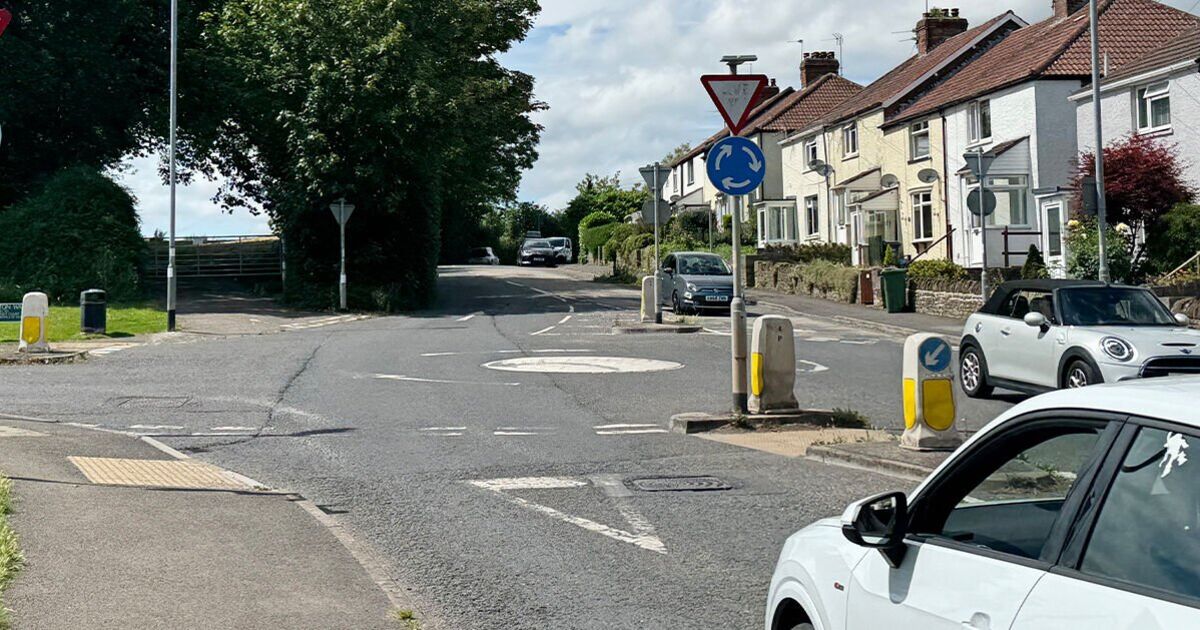
In the UK, mini-roundabouts should be treated as normal roundabouts (Rule 188): all vehicles must pass around the central markings except large vehicles that cannot; there are penalties for improper or dangerous crossing; mini-roundabouts are painted markings on the road, not raised islands.
5
In Benton County, a traffic hazard on Highway 20 near Blodgett occurred when a 62-year-old Springfield man's pickup broke down and partially blocked the eastbound lane; the tow was canceled and a different towing company arrived to tow the vehicle, reopening the lane.
Bengaluru's Traffic Police will restrict two-wheelers on five major elevated corridors starting this month to combat fatal motorcycle crashes. The bans apply to Ballari Road from Sanjeevininagar Cross to Vidyashilpa Junction, B.G.S. Flyover on Mysore Road, Peenya Elevated Corridor, the Double Decker Flyover between Silk Board and Ragigudda, and Electronics City flyover (starting September 11). Bengaluru Police say the one-stretch flyover corridor recorded 15 accidents in 19 months, with fatal crashes rising since 2015.
The Airport flyover will remain open to bikes after local media clarified misinformation about a citywide ban. Nearly 400 riders gathered on Airport Road under #OneLastRide before CISF escorted them to the police station to verify the actual restrictions. CCTV monitoring will enforce the new rules across all restricted corridors.
Fatal Crashes Spike on Elevated Routes
Bengaluru's elevated flyovers have become crash hotspots. Bengaluru Traffic Police data show the one-stretch flyover recorded 15 accidents over 19 months. Fatal crashes along the route have climbed steadily since 2015. The bans target these high-risk corridors where two-wheelers weave between cars at high speeds.
Social Media Fuels Confusion Over Bike Ban
False claims of a citywide two-wheeler ban sparked panic among Bengaluru riders. Nearly 400 motorcyclists gathered on Airport Road on a single day under the hashtag #OneLastRide. Local authorities said the riders intended a final group ride before the imaginary ban took effect. CISF security escorted the group to Airport police station to explain the actual restrictions—limited to five corridors, not the entire city.
CCTV Cameras to Monitor Elevated Corridors
Bengaluru Police will deploy CCTV monitoring on all restricted flyovers to catch violators. Cameras will record riders who ignore two-wheeler bans and cross the barriers. Traffic officials say enforcement starts immediately on Ballari Road, B.G.S. Flyover, Peenya Elevated Corridor, and Double Decker Flyover. Electronics City flyover restrictions begin September 11. The Airport flyover exemption lets bikers continue using that route without penalty.
Airport Flyover Stays Open After Clarification
The Airport flyover will remain accessible to two-wheelers despite the broader ban. Bengaluru Police stressed this point after the #OneLastRide confusion. The corridor connects key city areas and carries heavy bike traffic. Officials say the exemption applies only to this route. Riders on all other restricted flyovers face penalties if caught.
Sentiment
Mostly NegativeNEGATIVENEUTRALPOSITIVE
Publishers
17
Articles
1
Reach
18
Topics
A
AnonymousAuthor


